



Categories
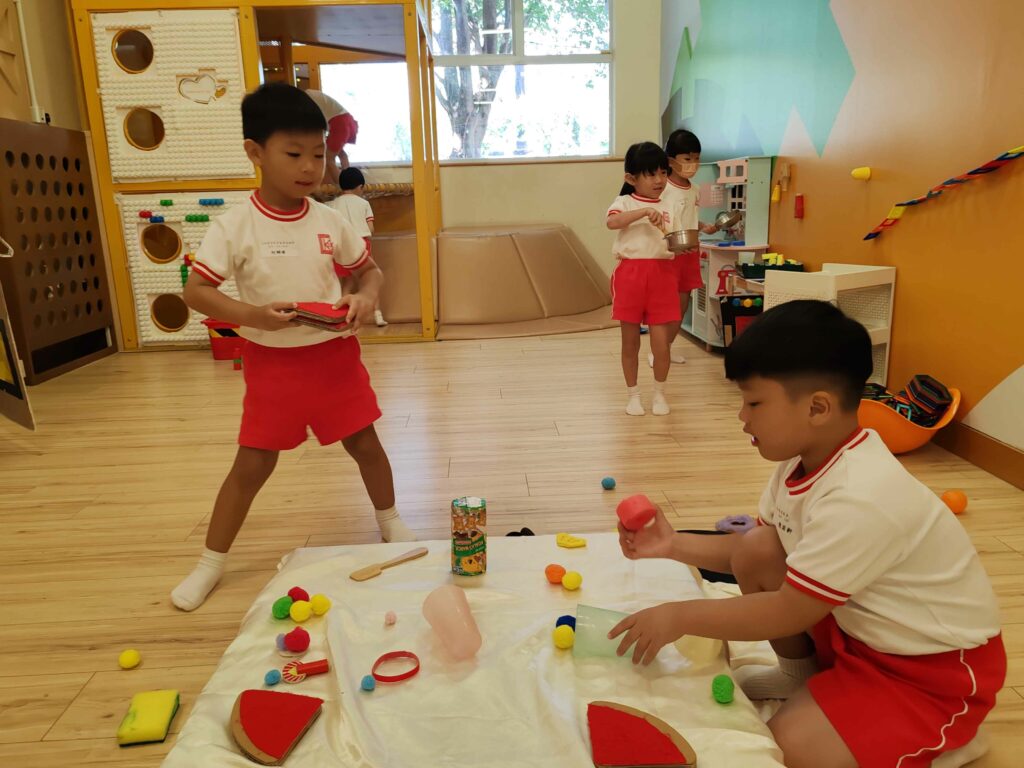
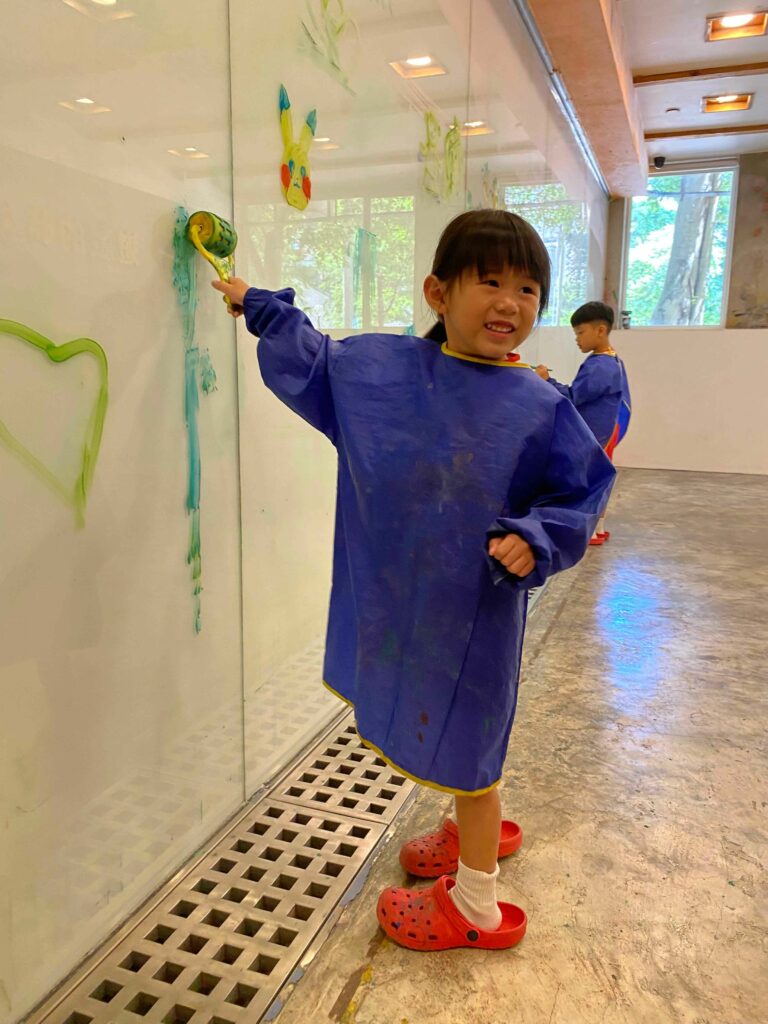
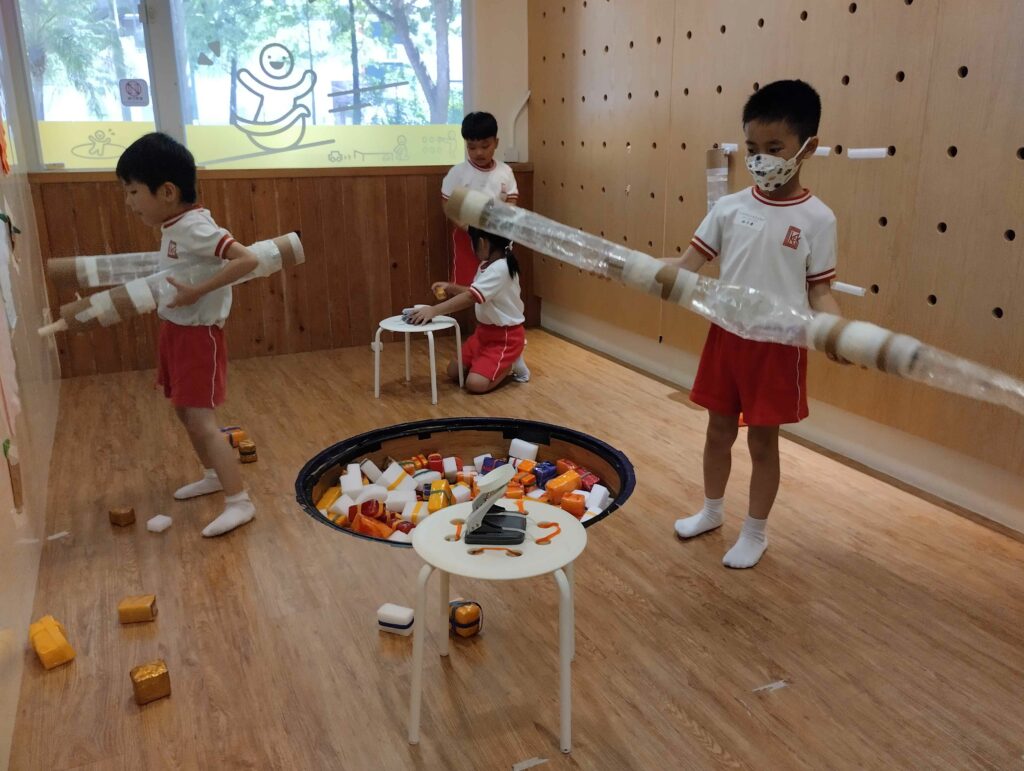
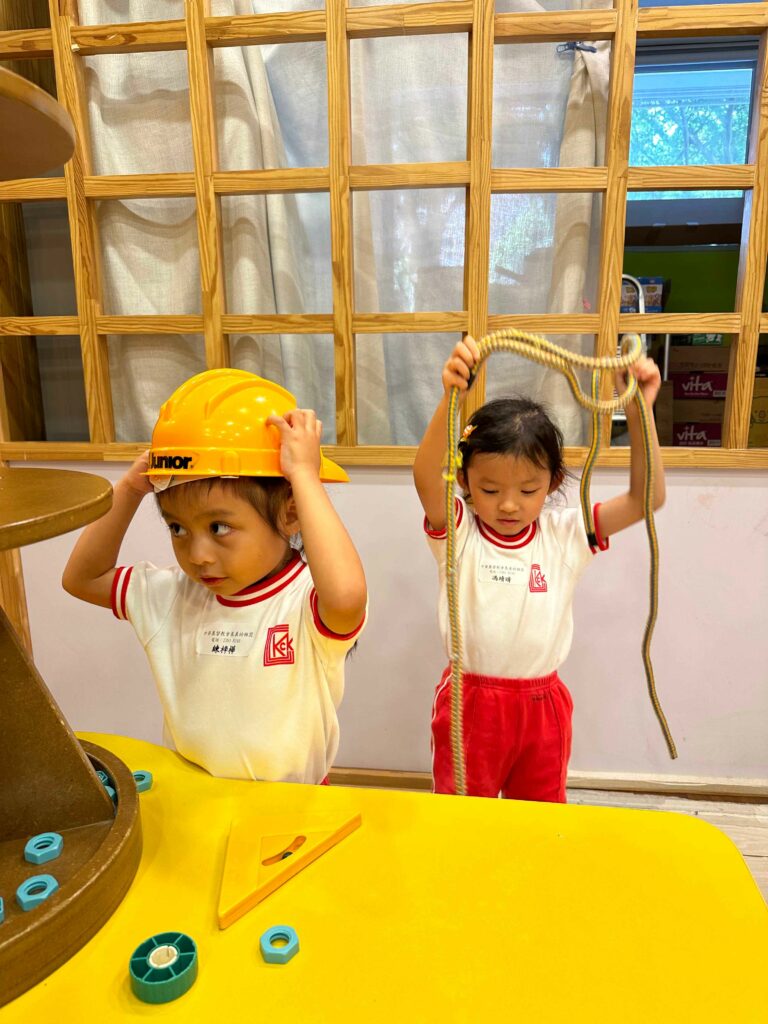
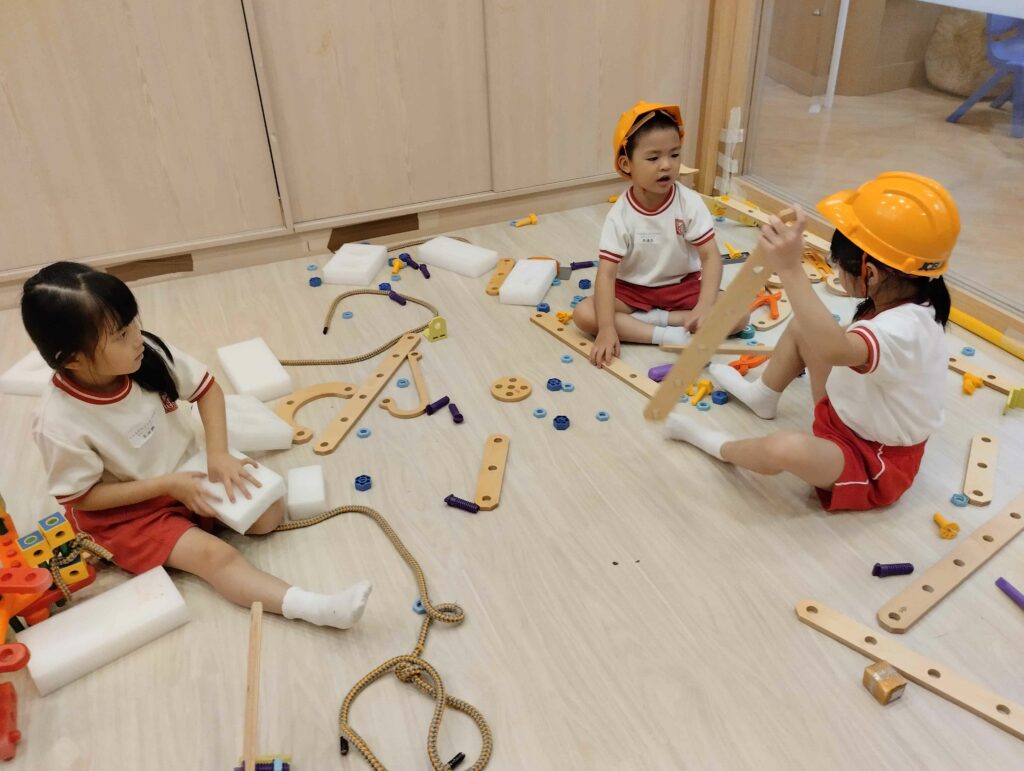
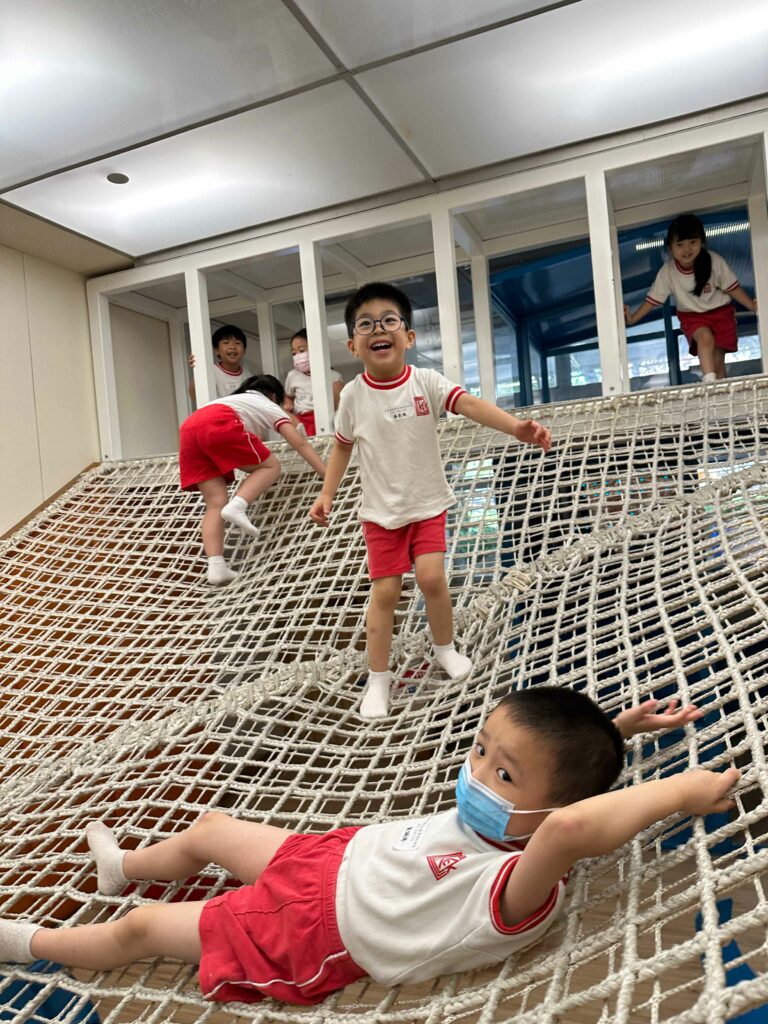
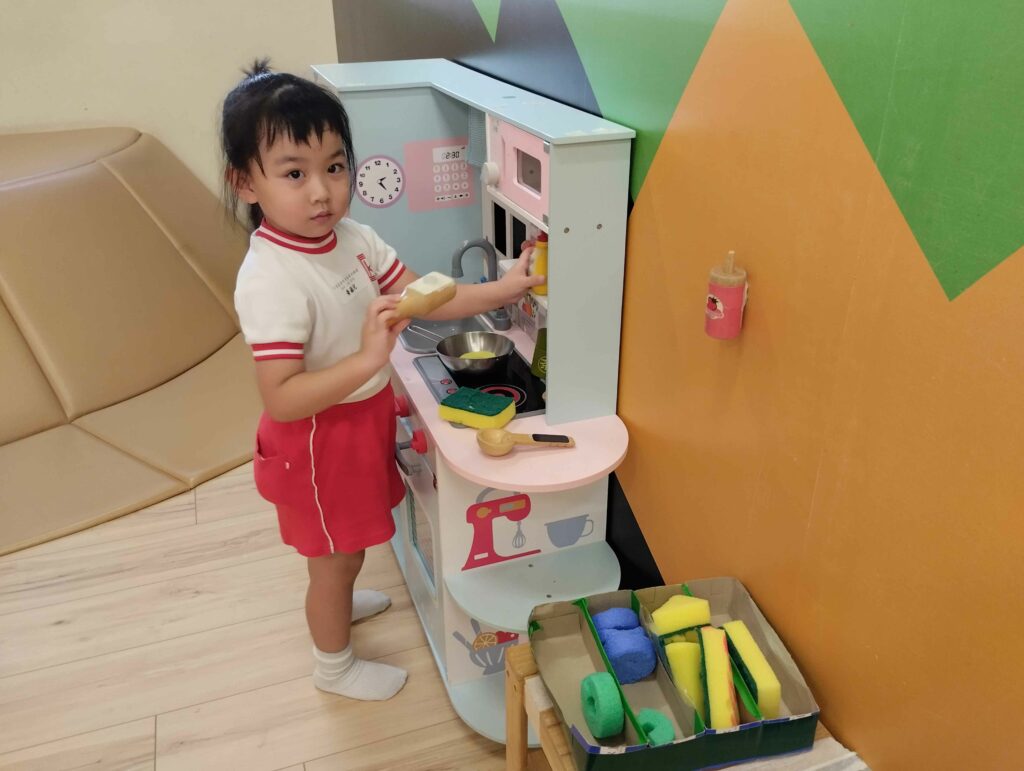
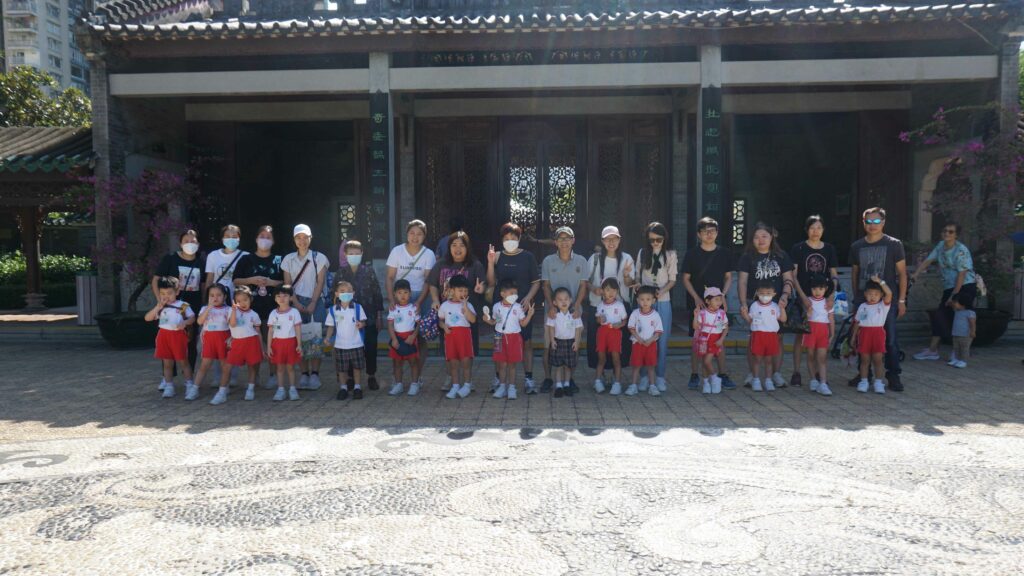
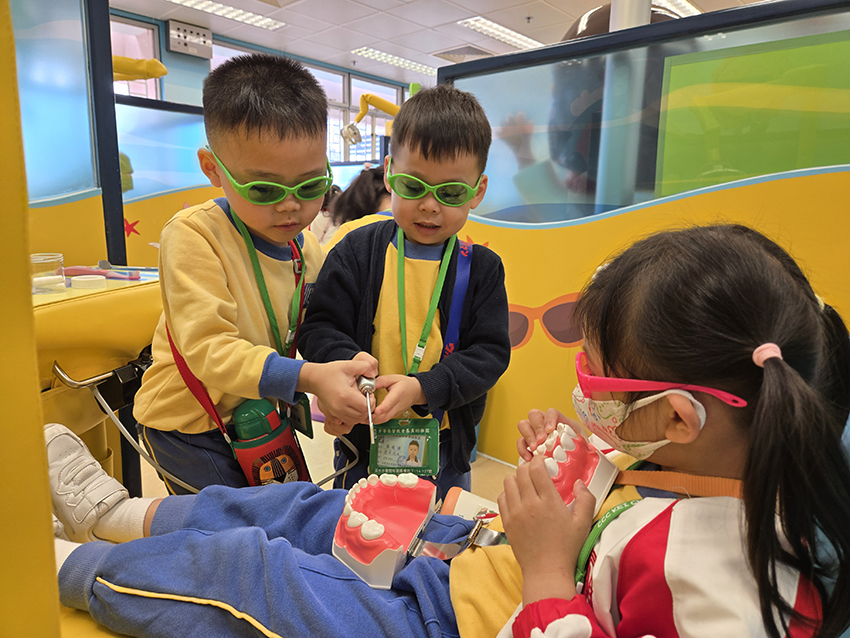
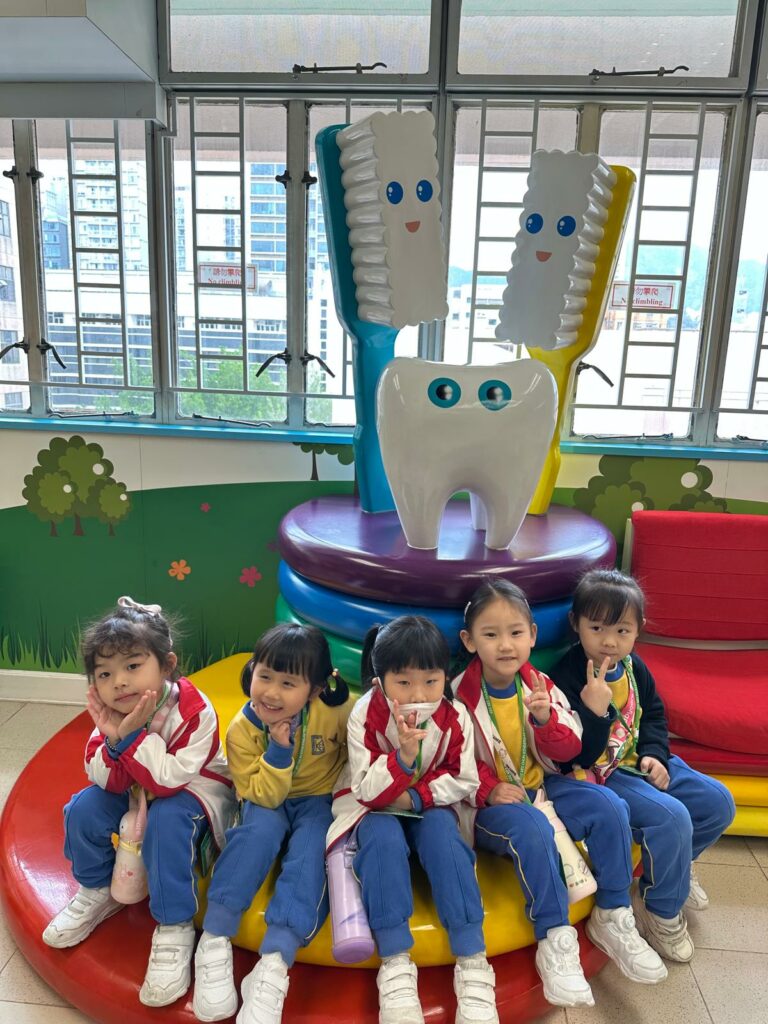
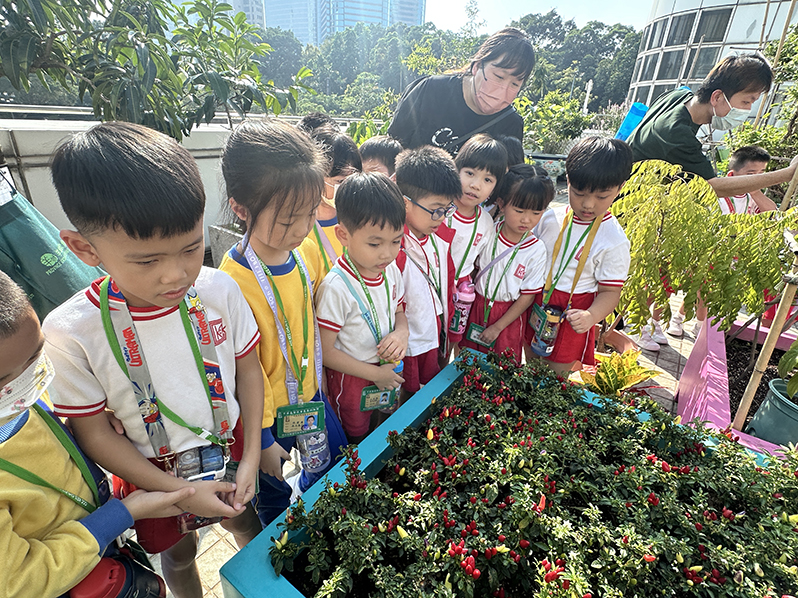
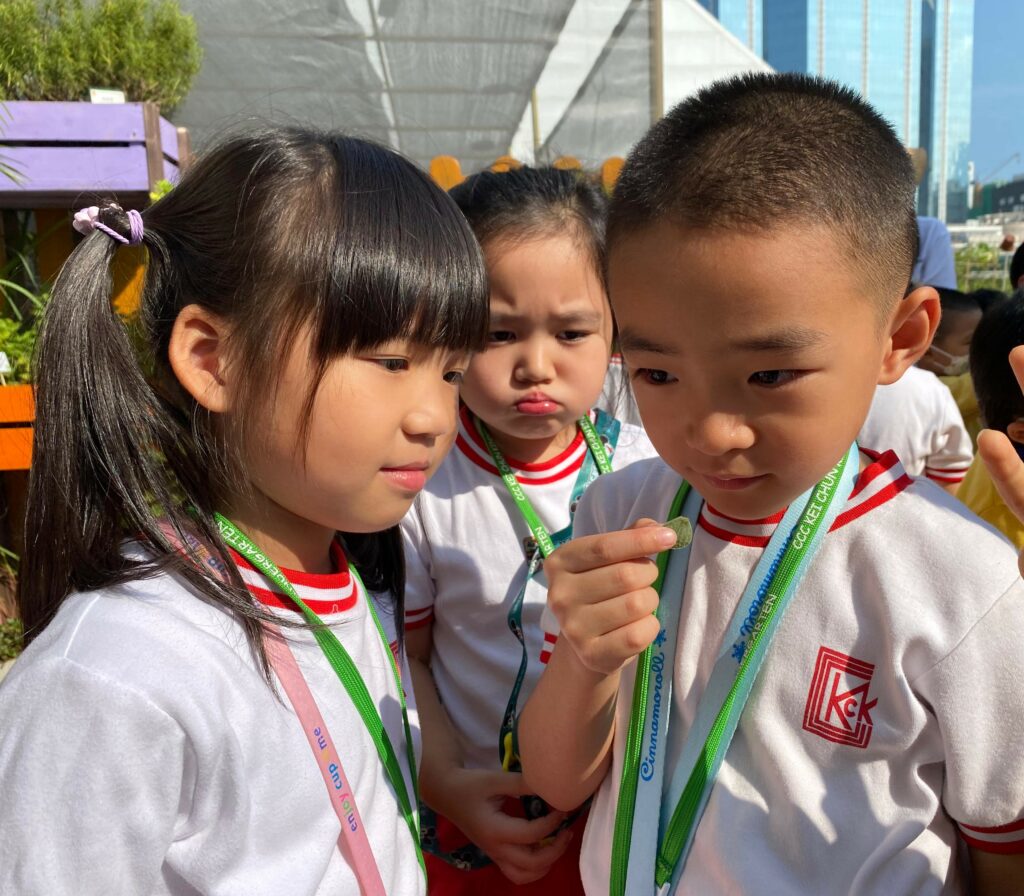
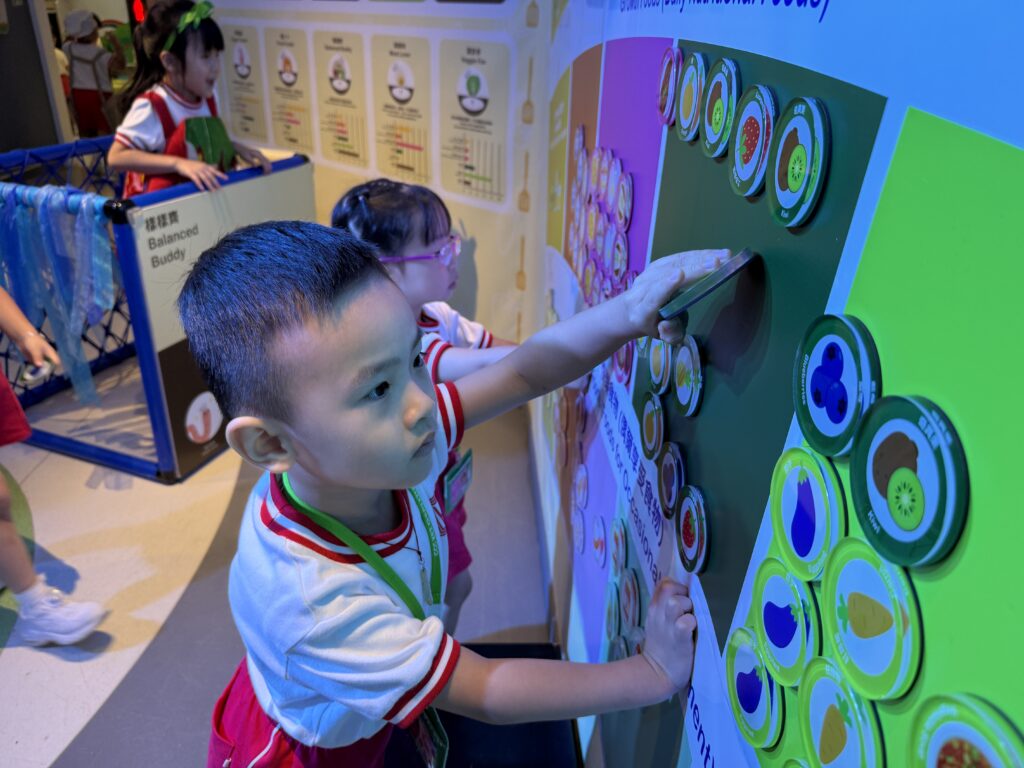
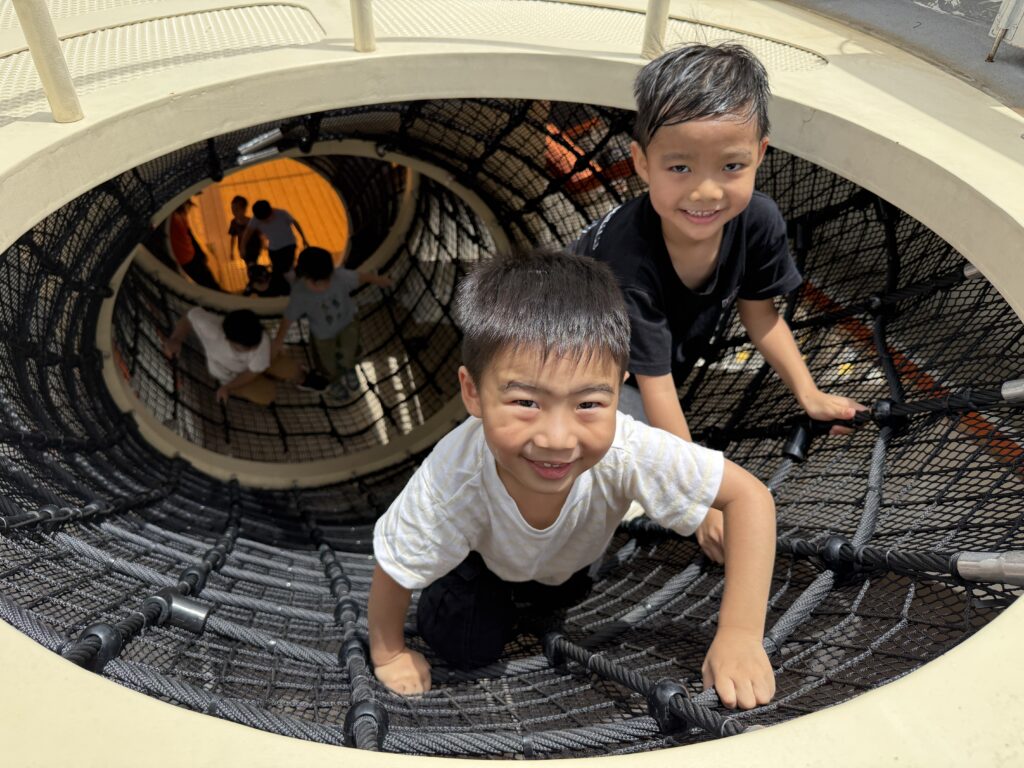
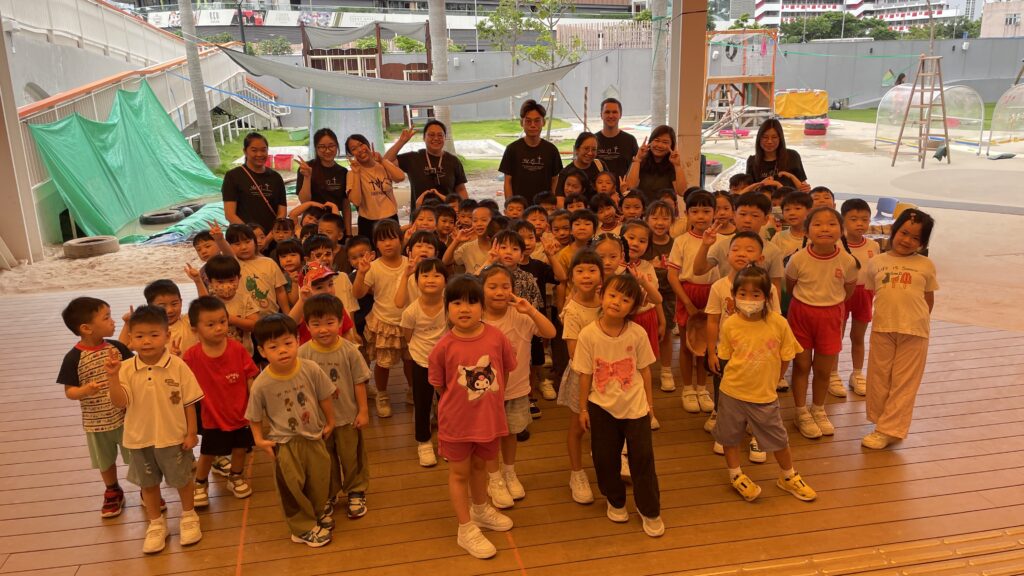
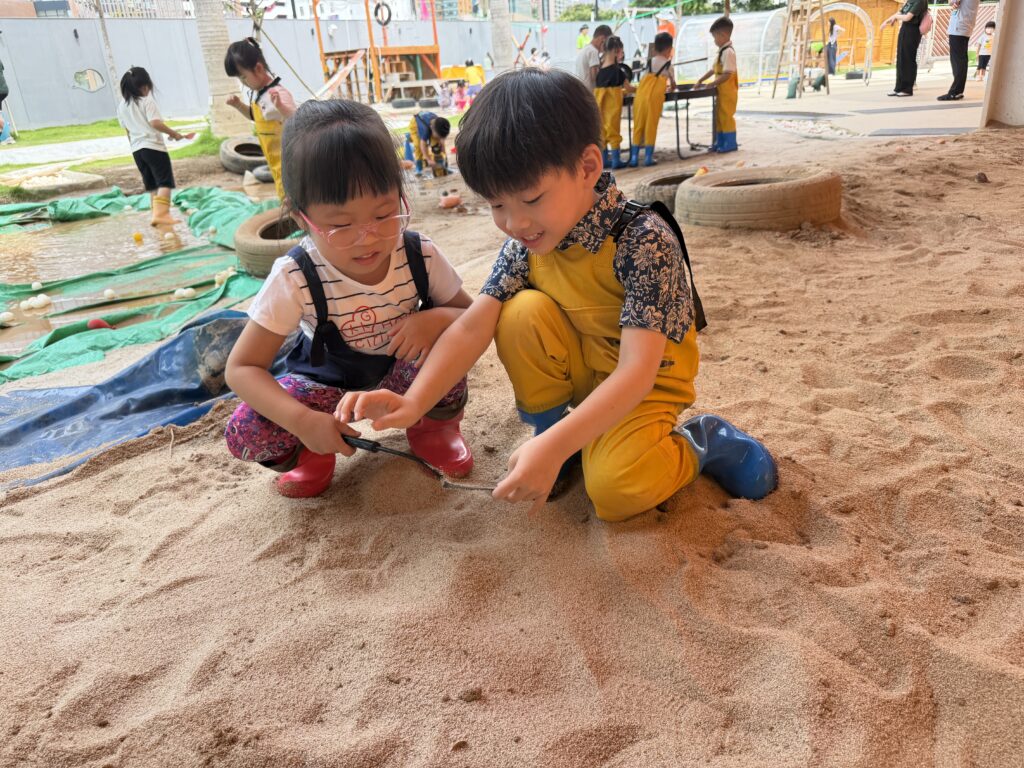
2023-2024 Experiential Learning

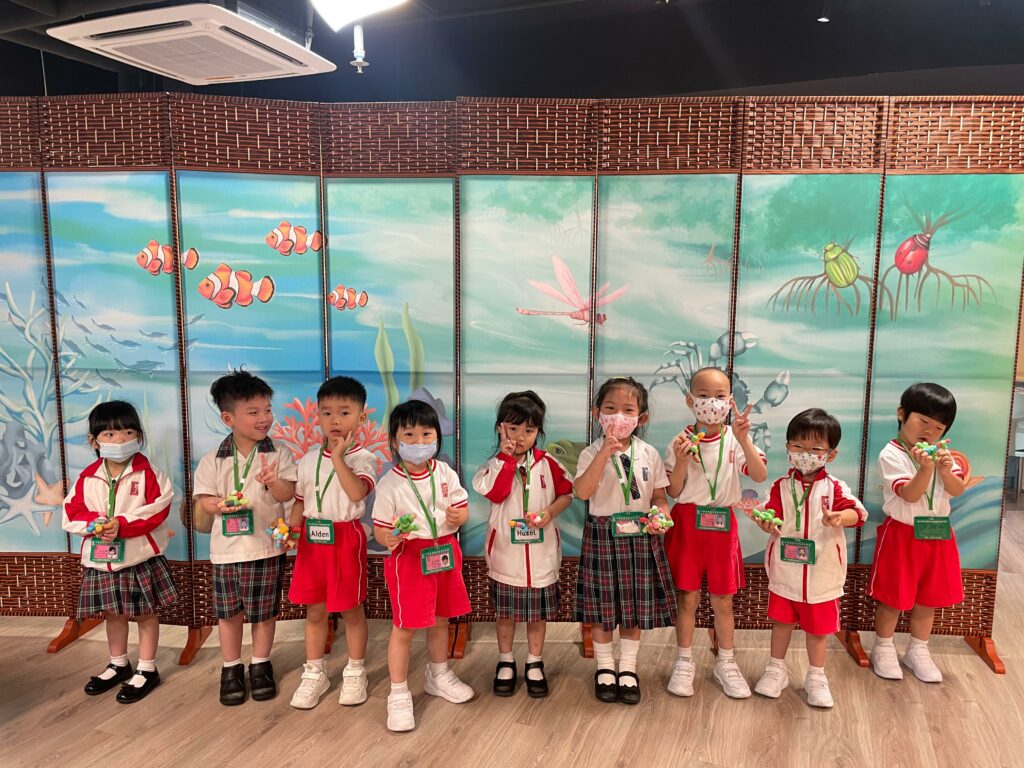
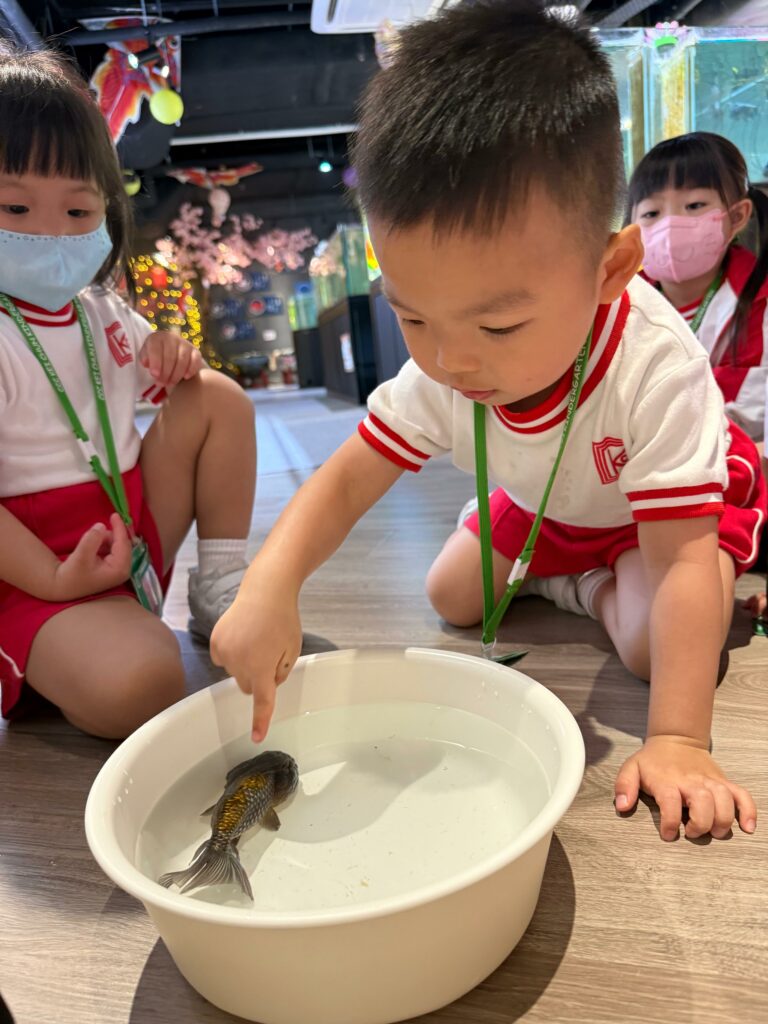
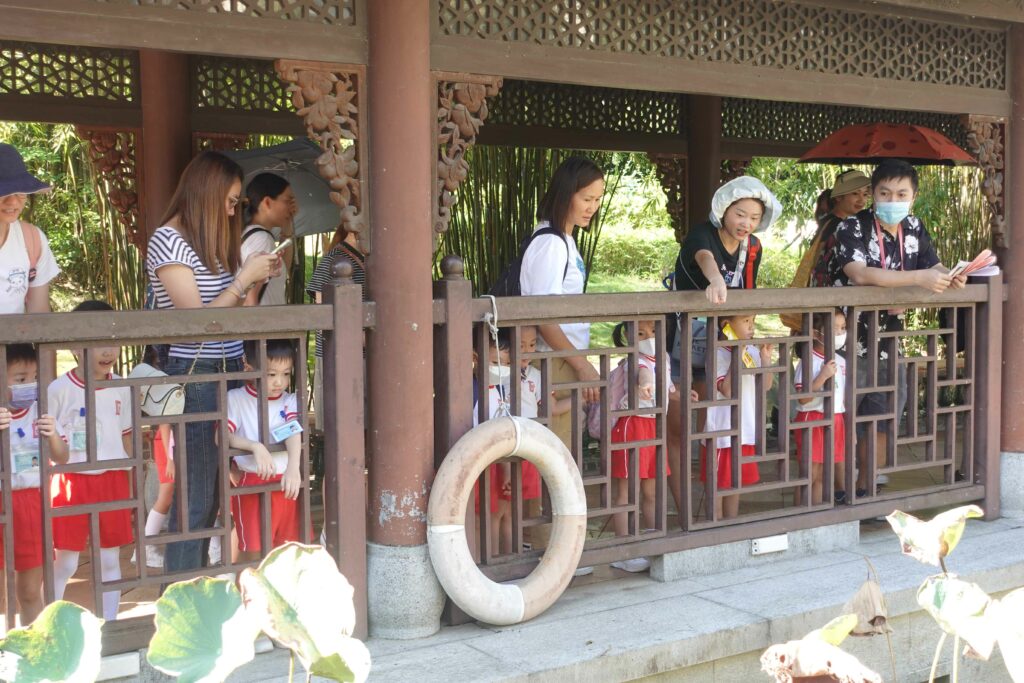
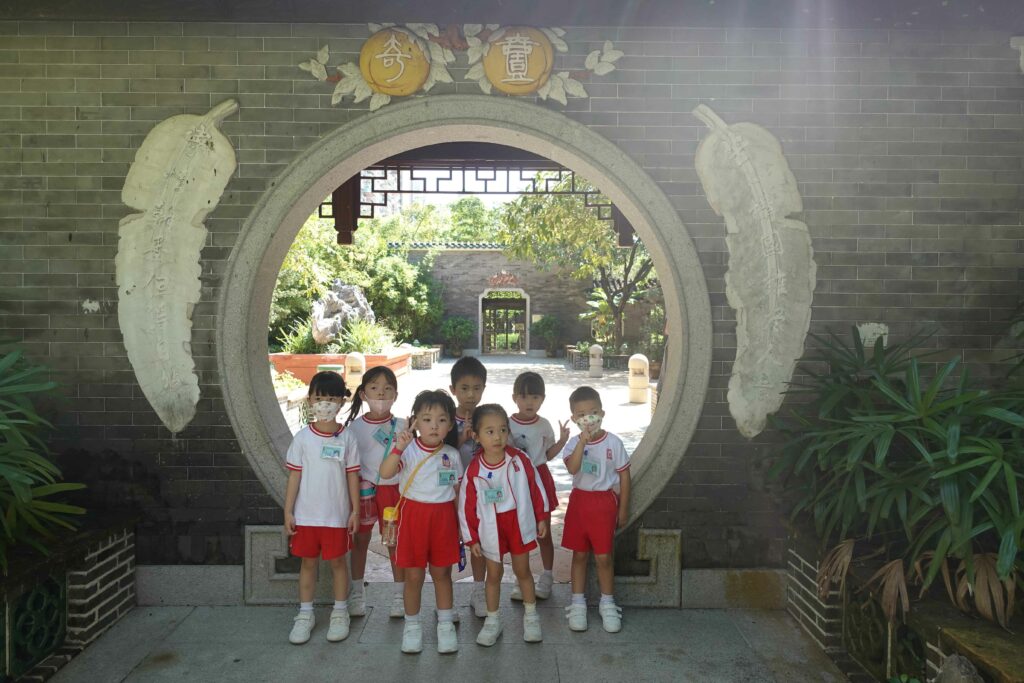
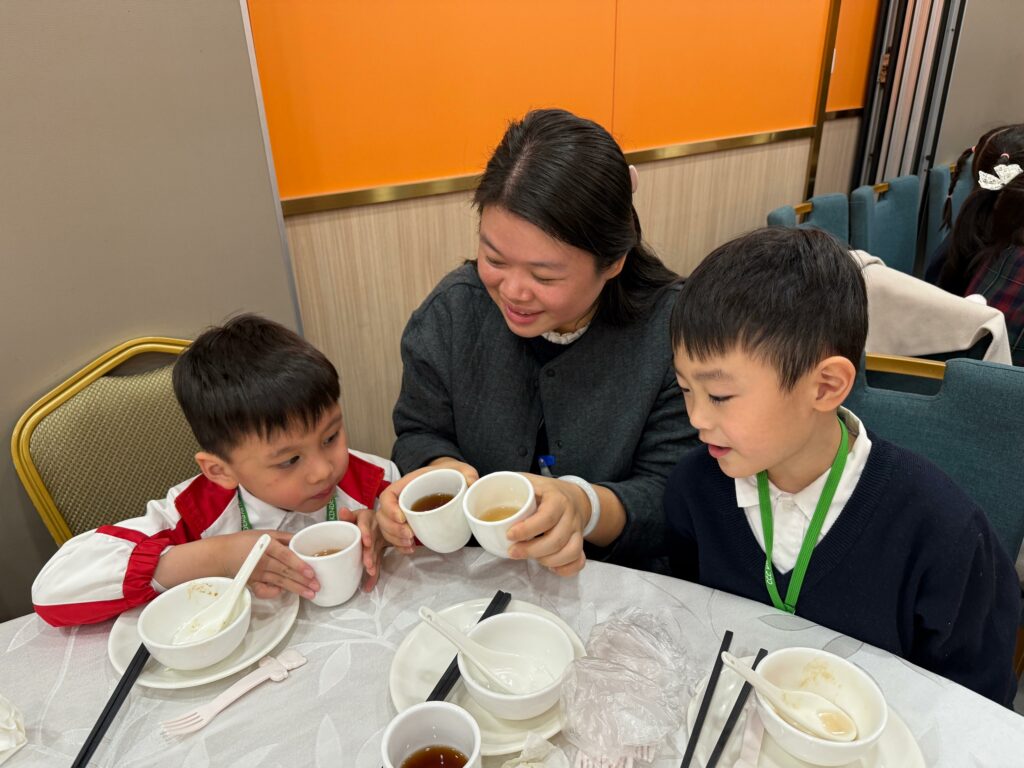
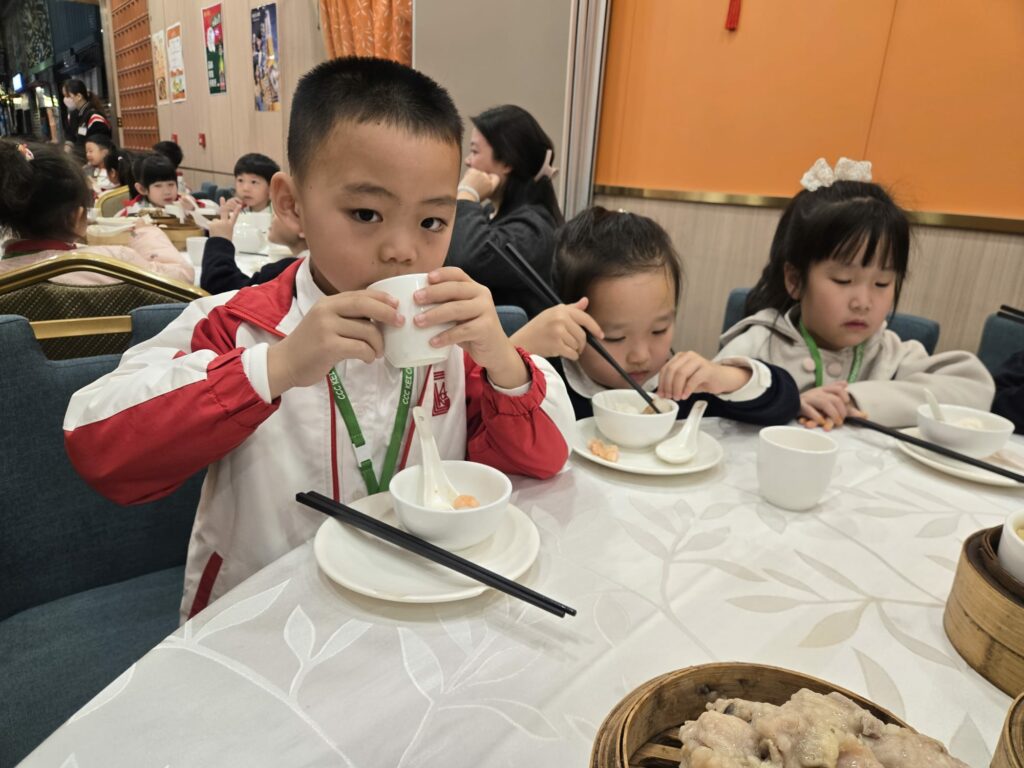
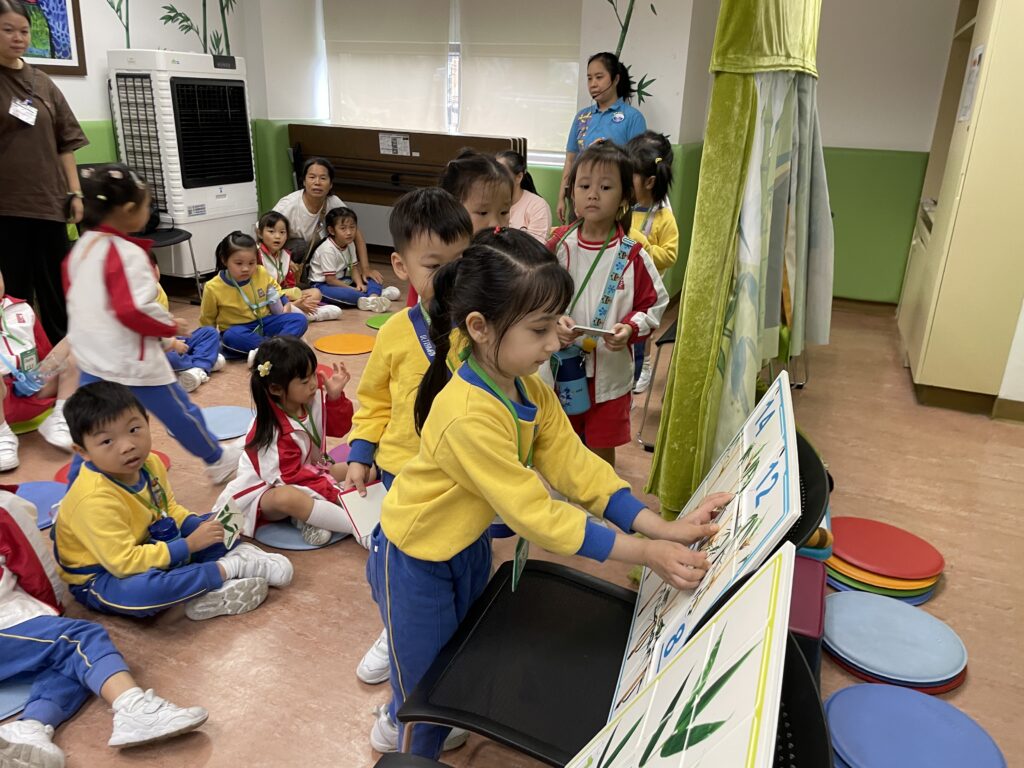
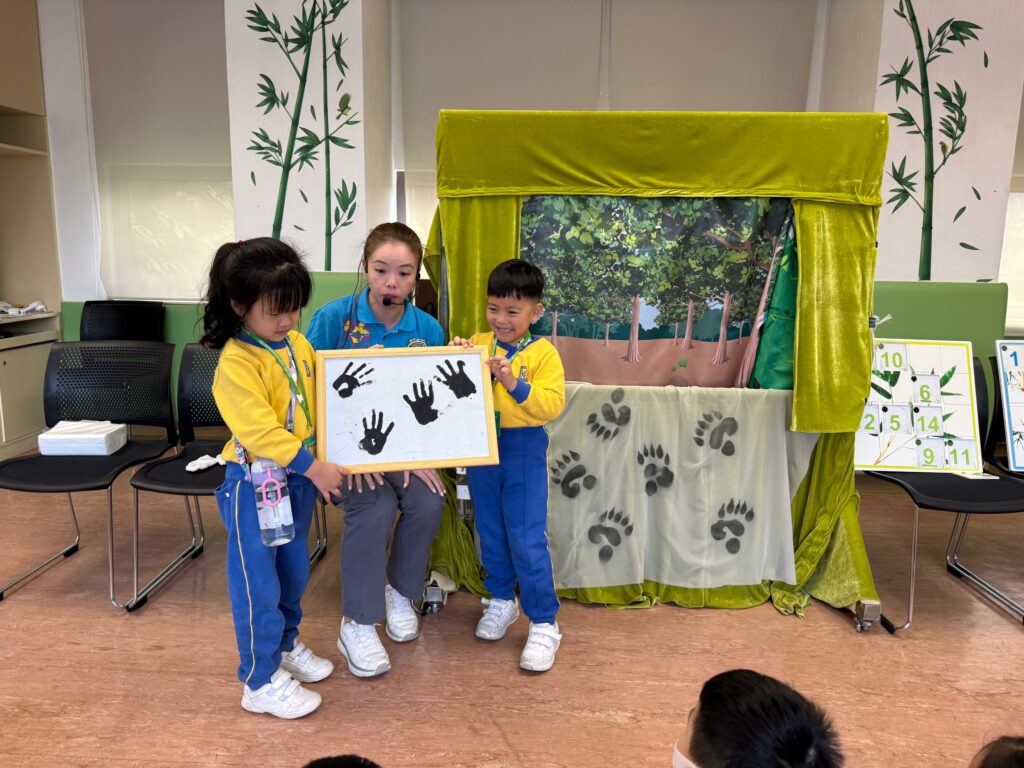
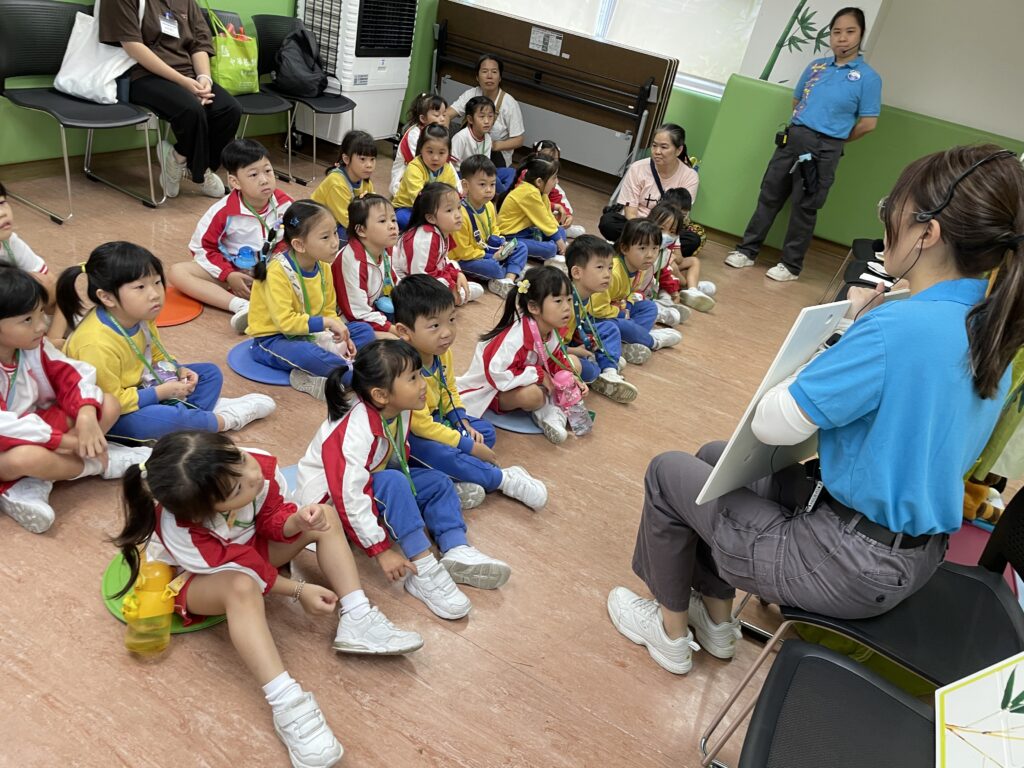
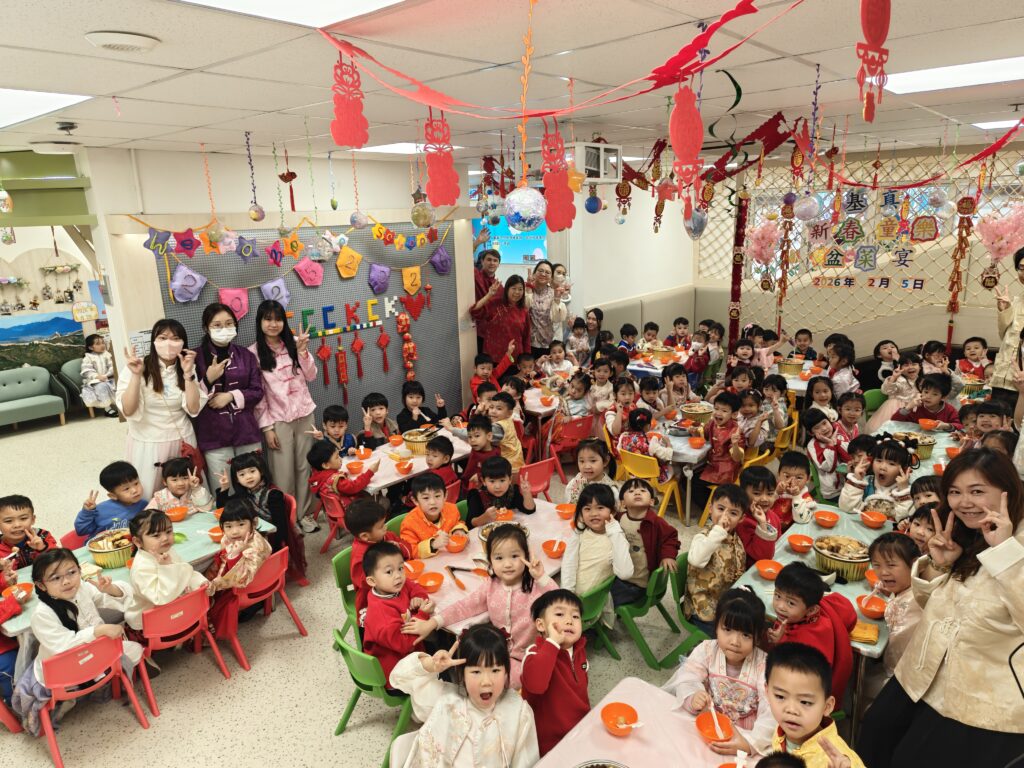
2023-2024 Experiential Learning Activities Outside the Classroom

2023-2024
Experiential Learning Activities Outside the Classroom


參觀/活動地點

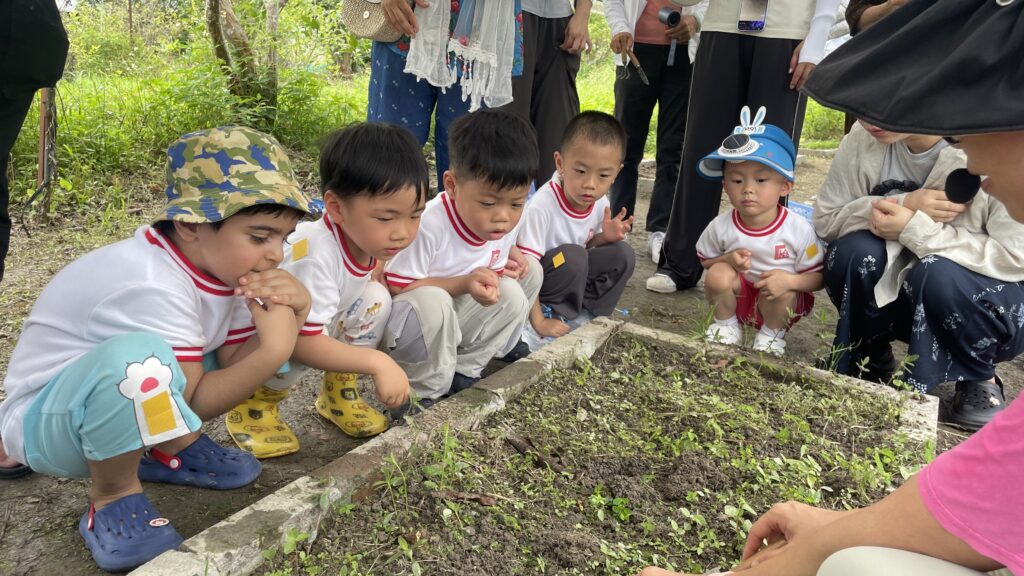
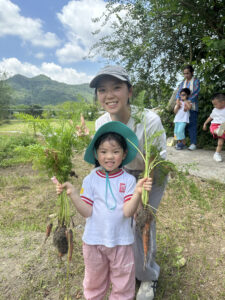
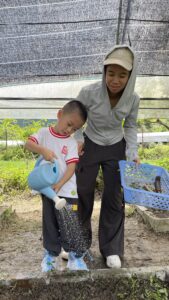
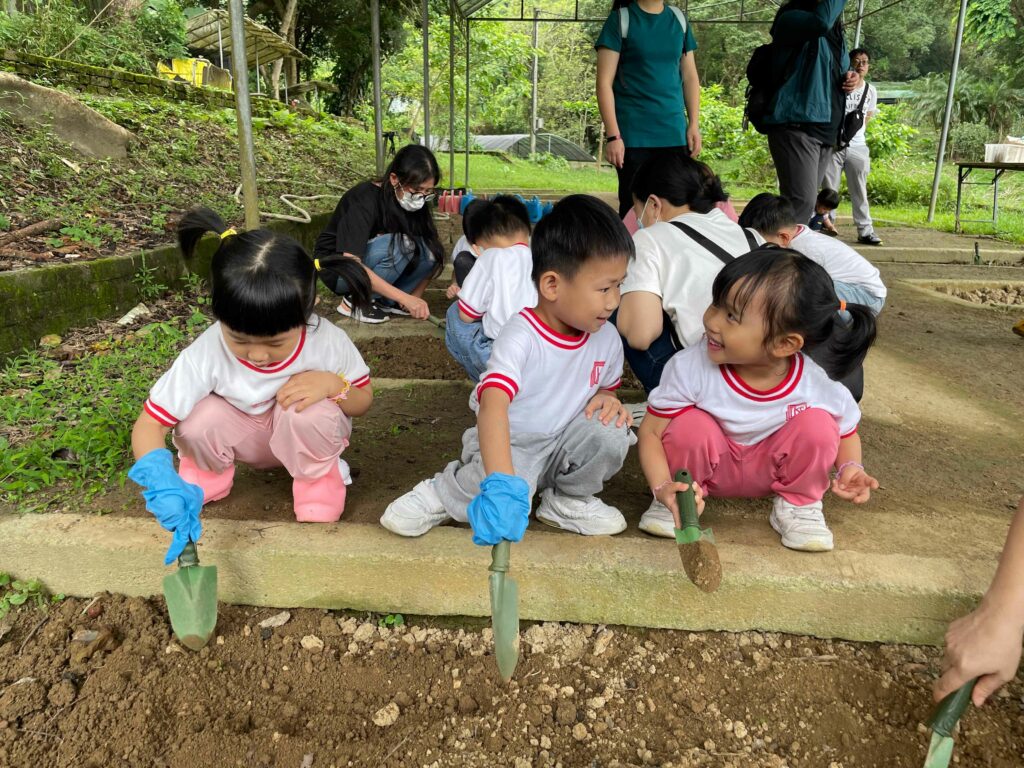
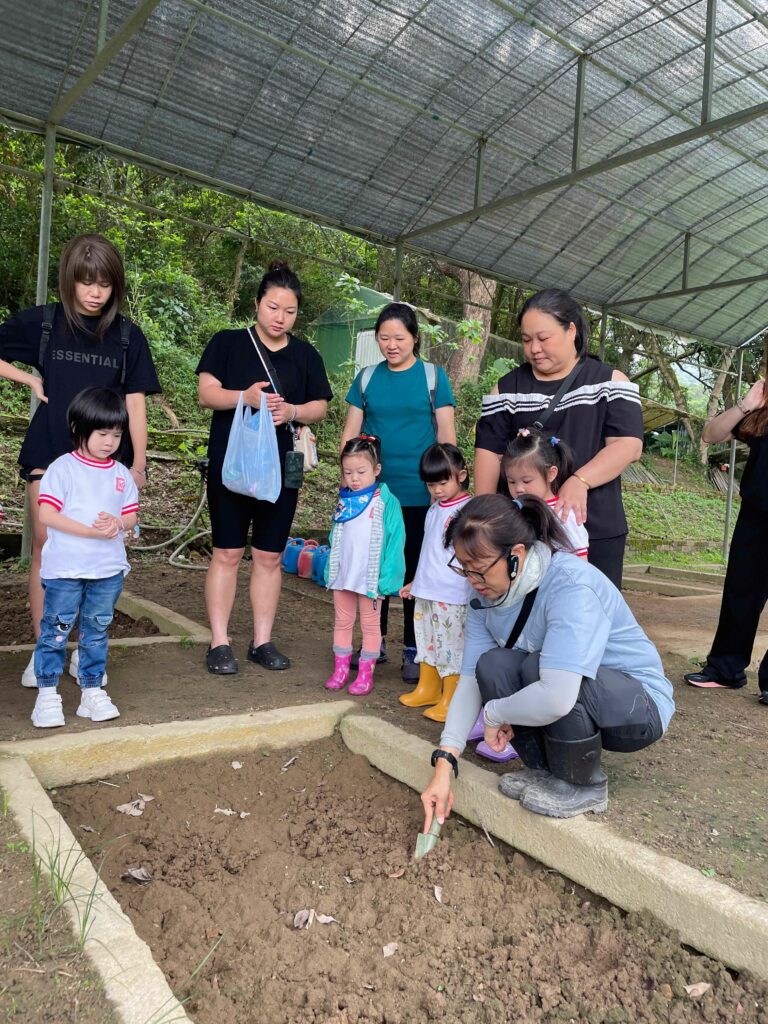
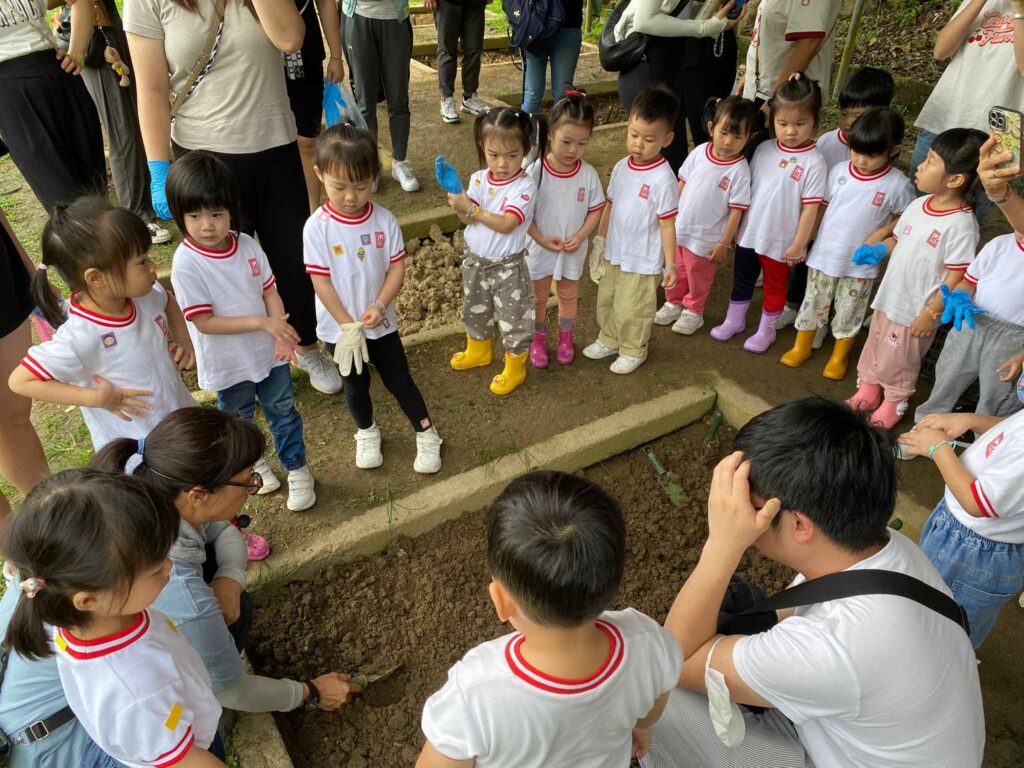
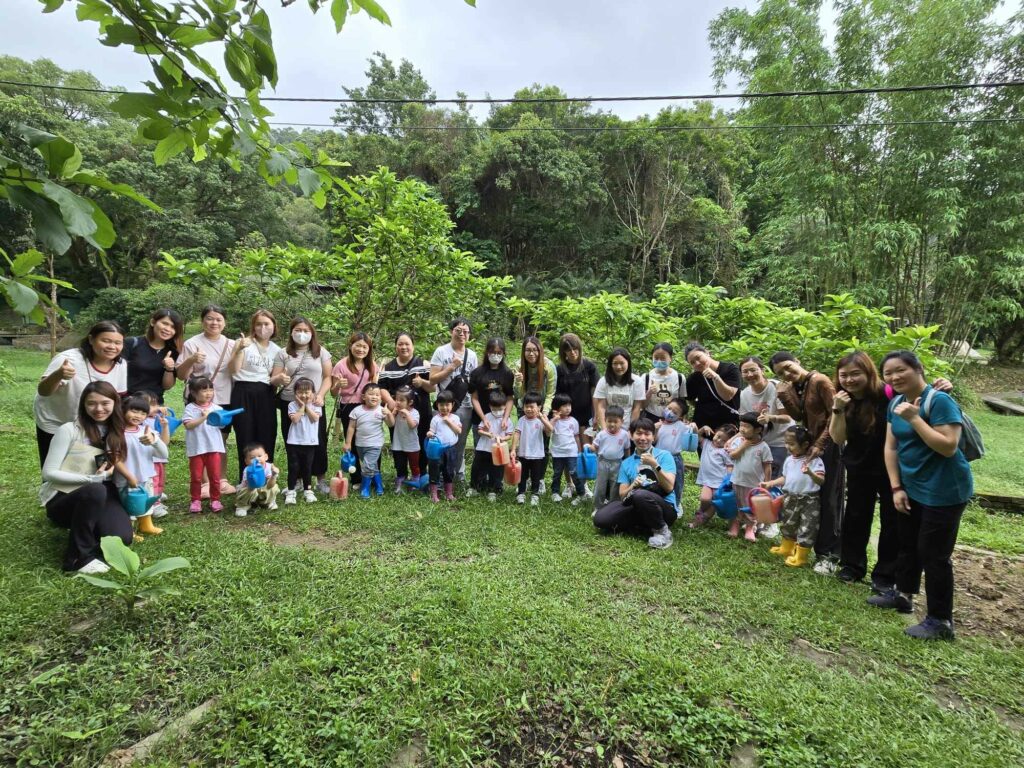
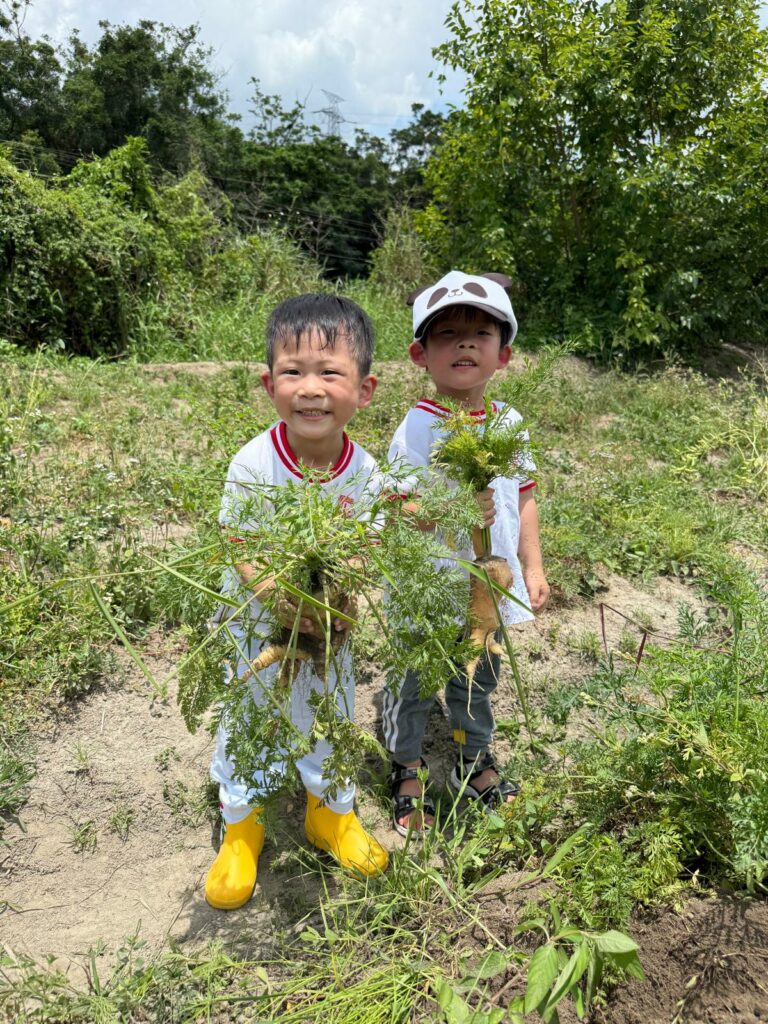
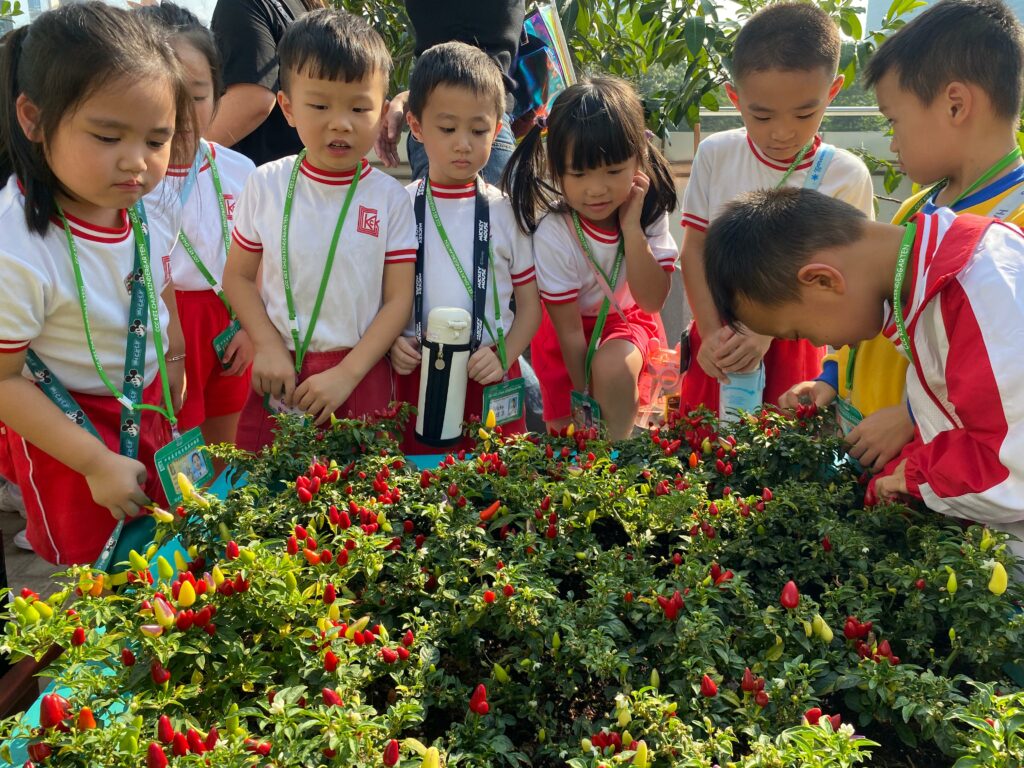
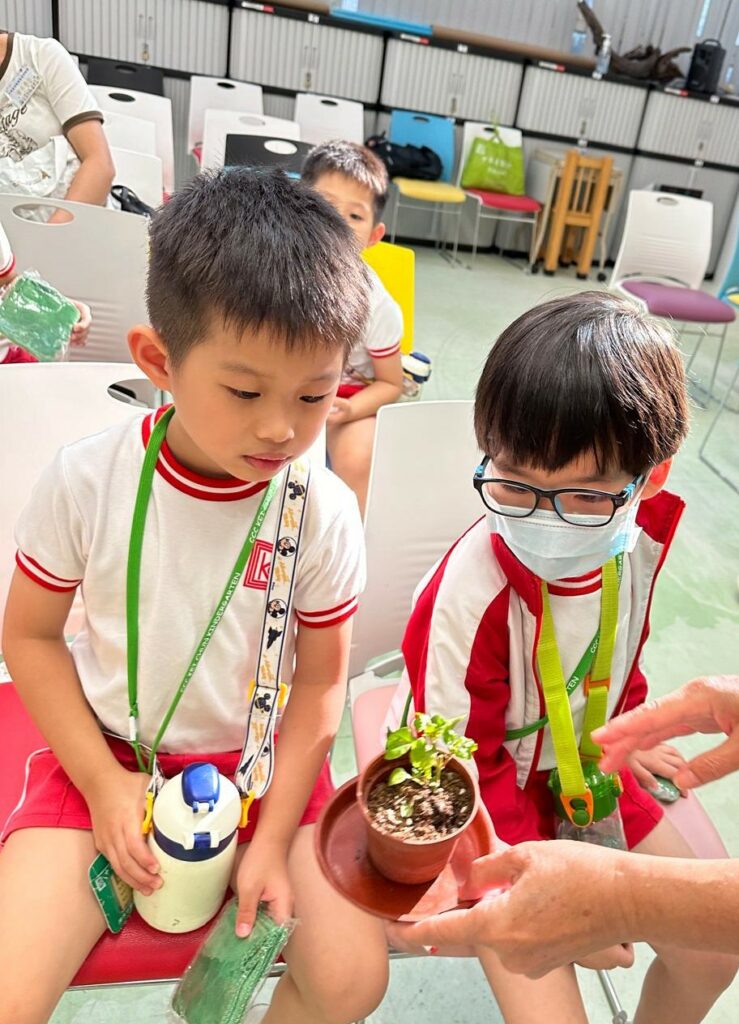
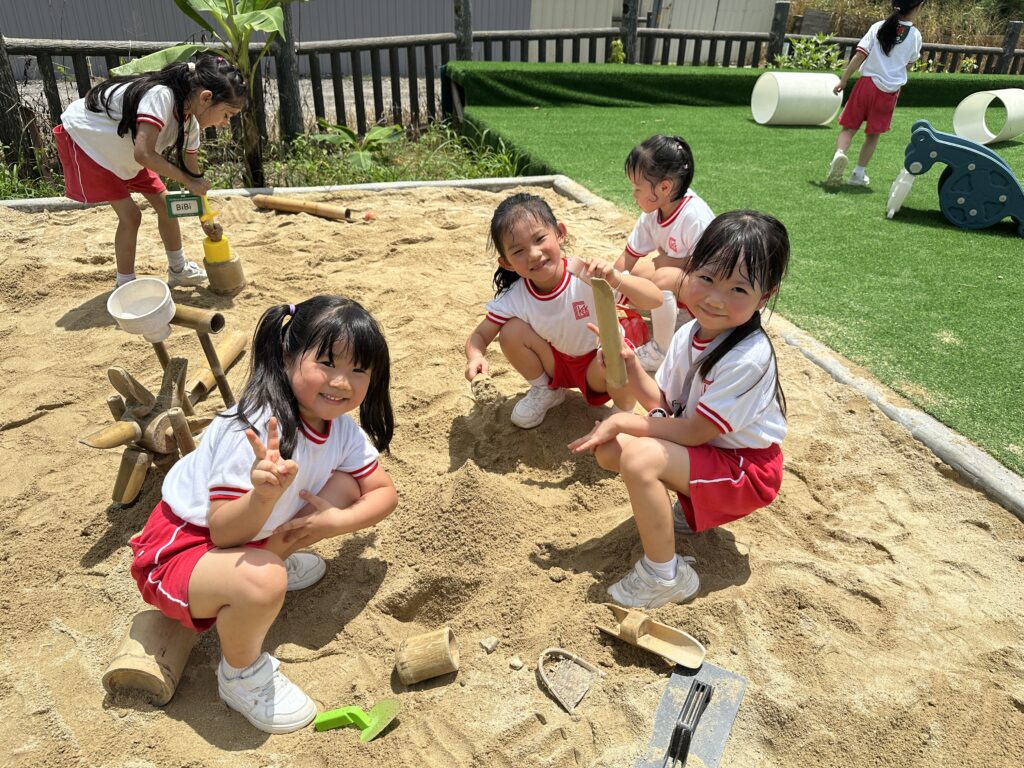
農耕樂


參觀/活動地點

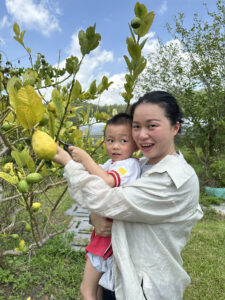
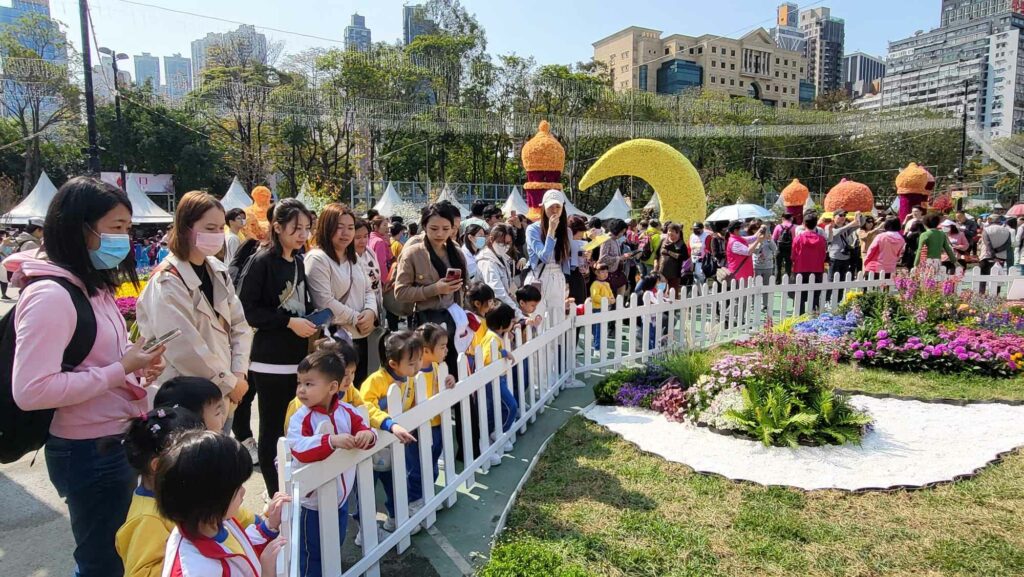
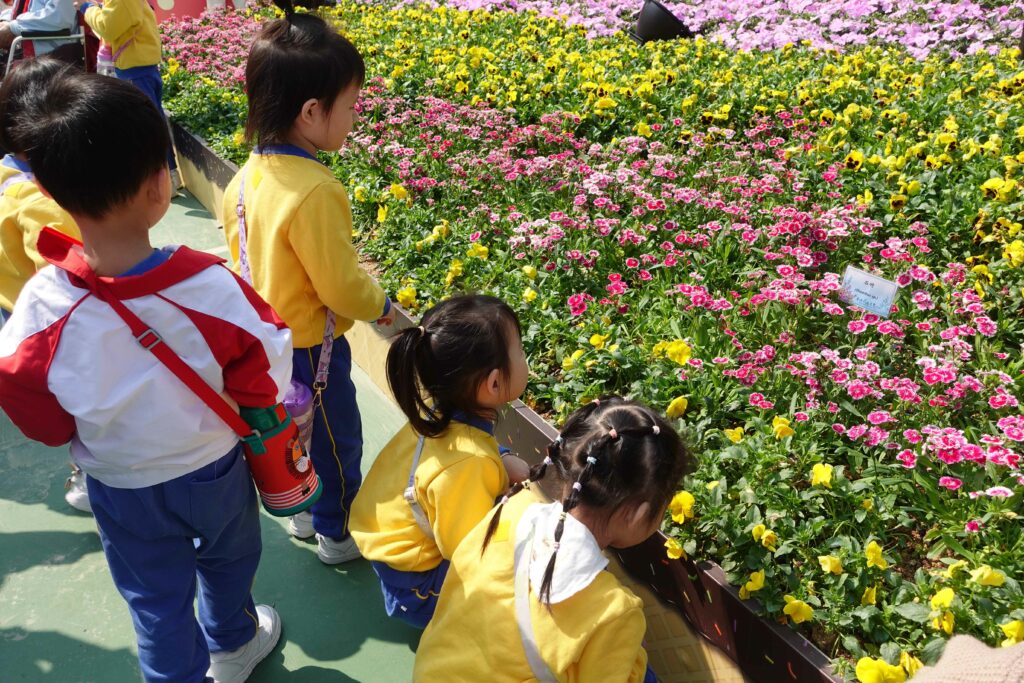
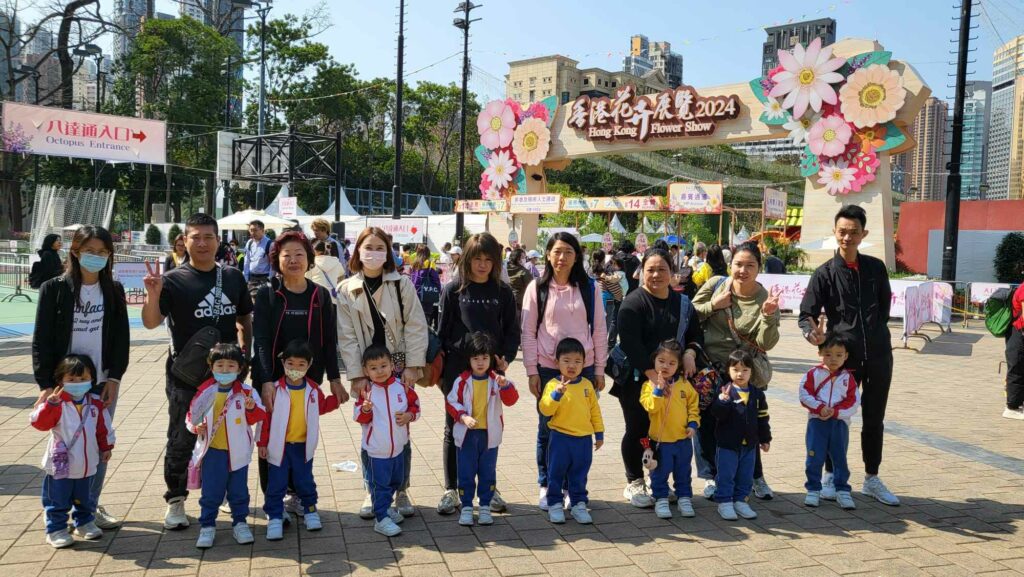
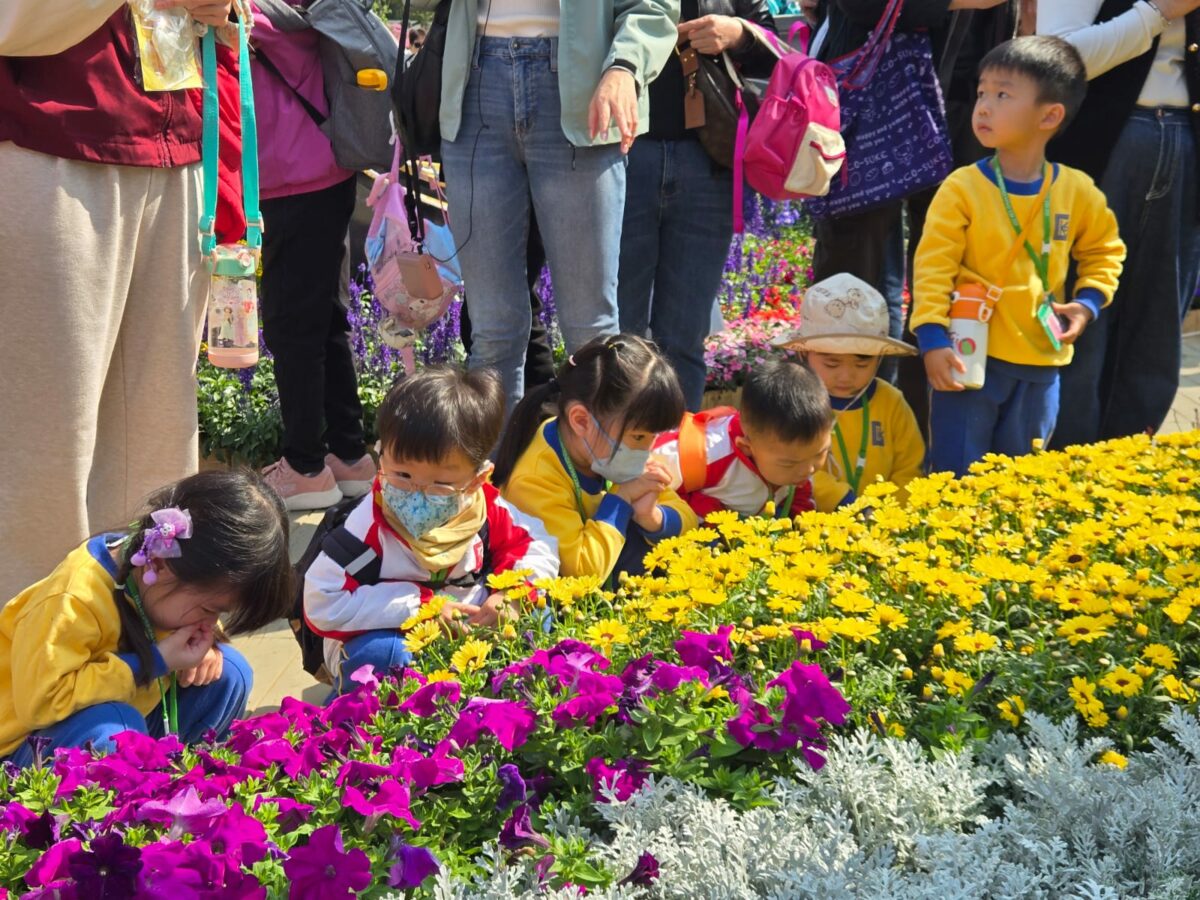
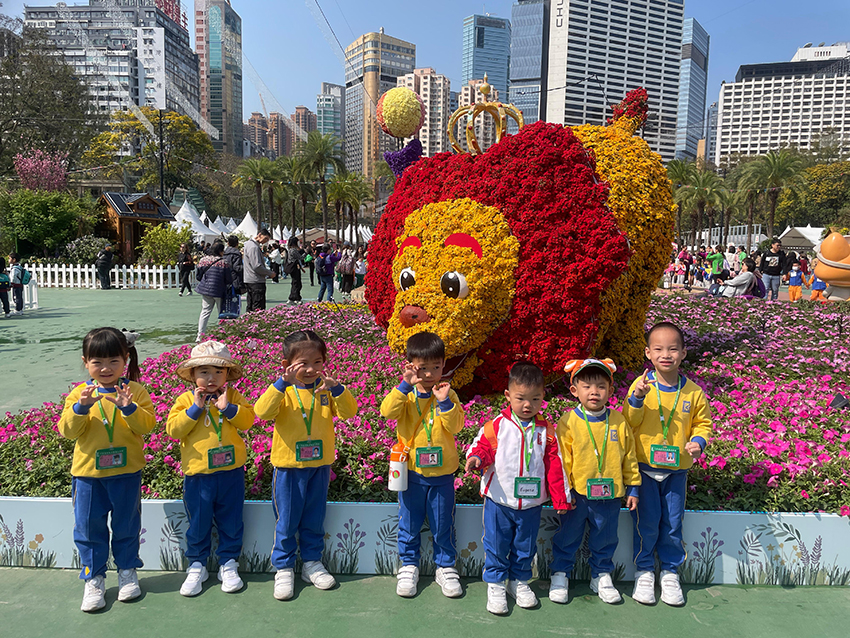
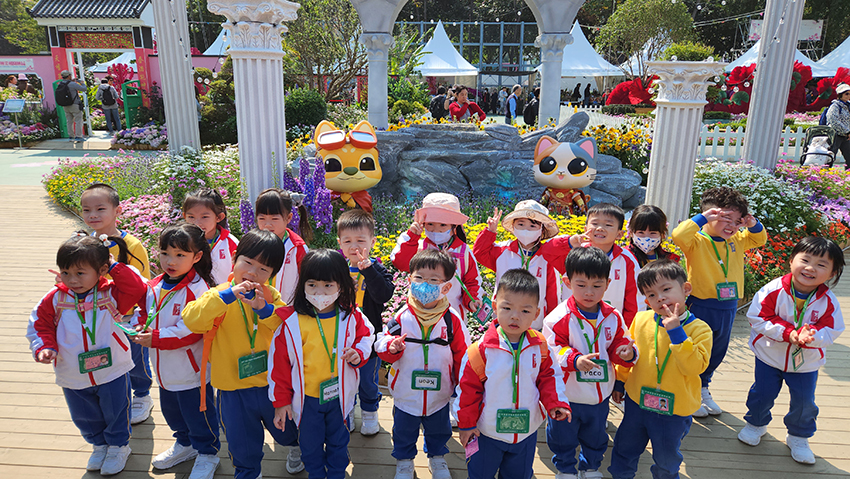
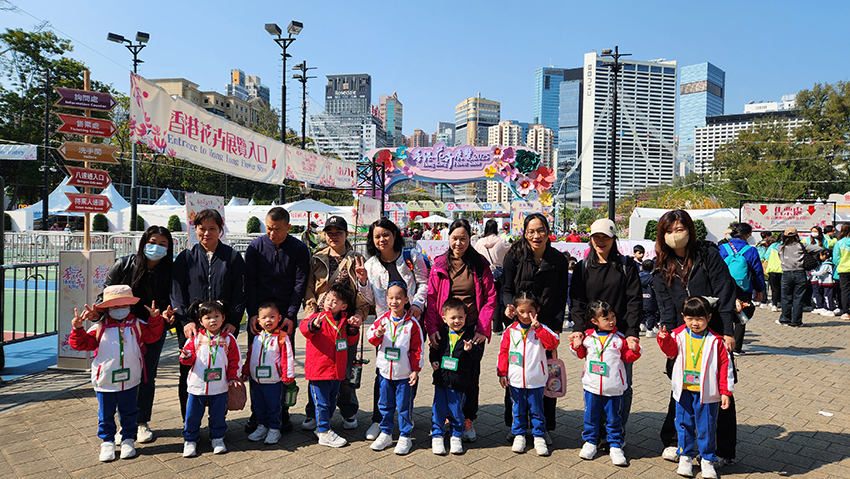
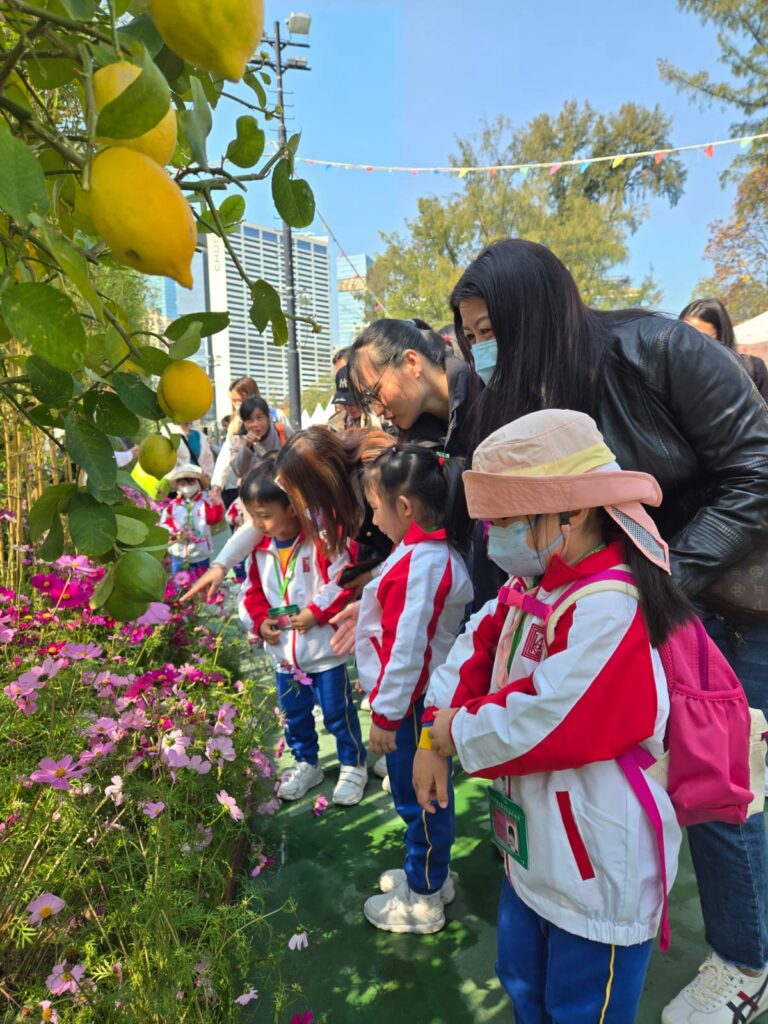
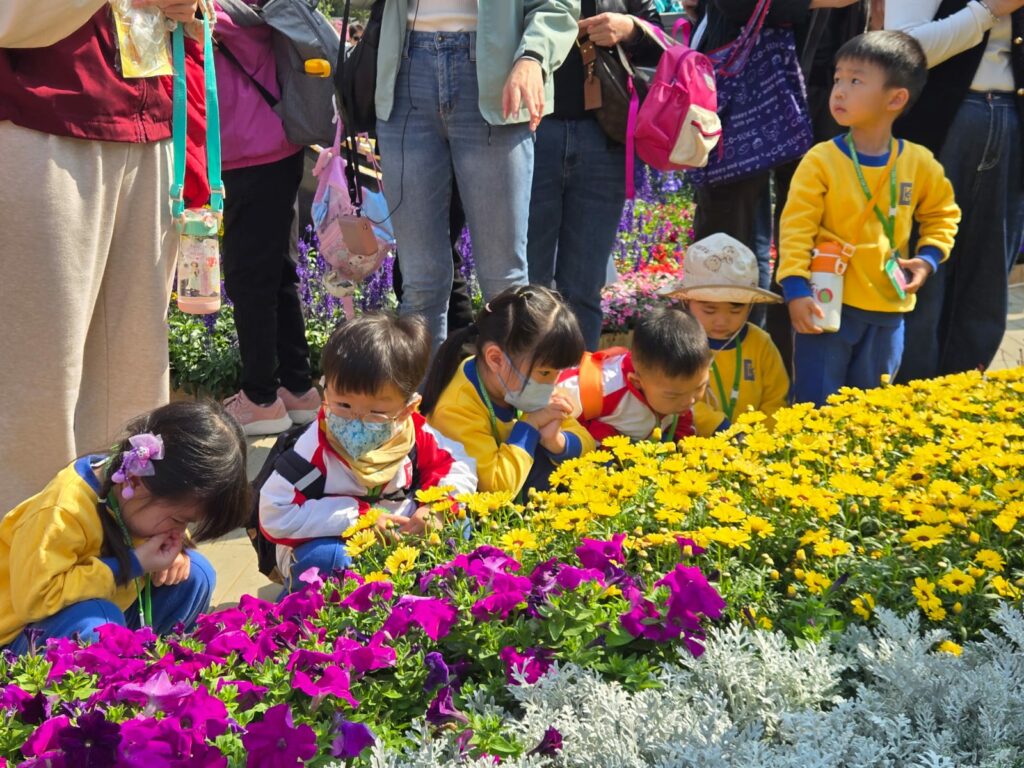
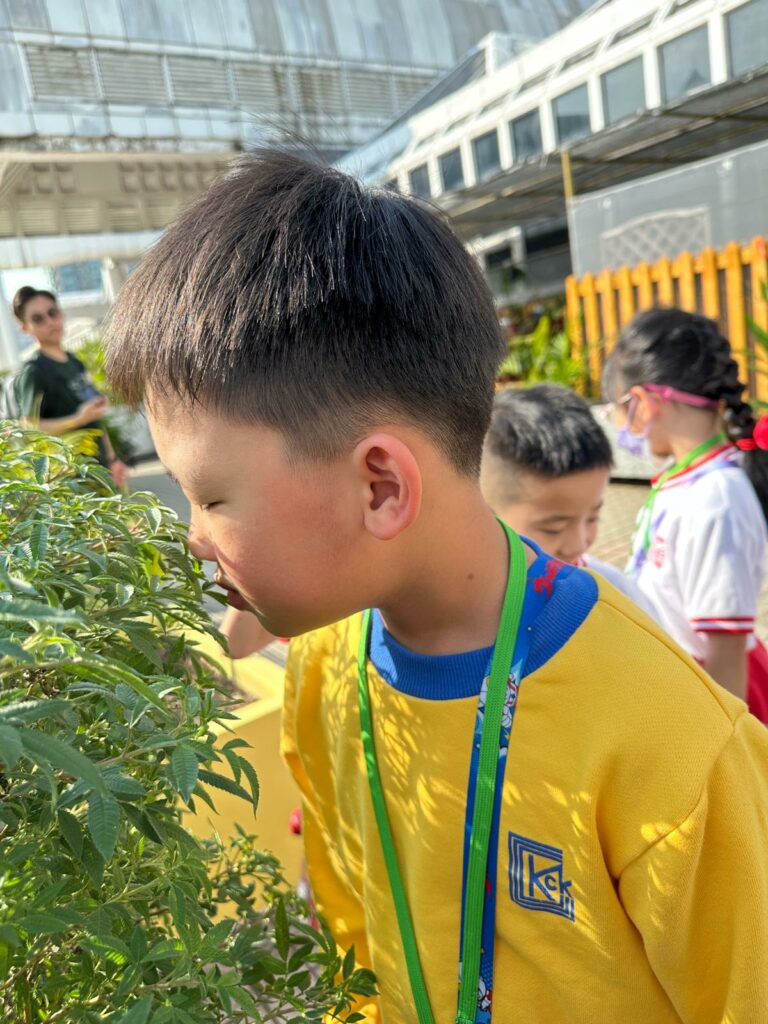
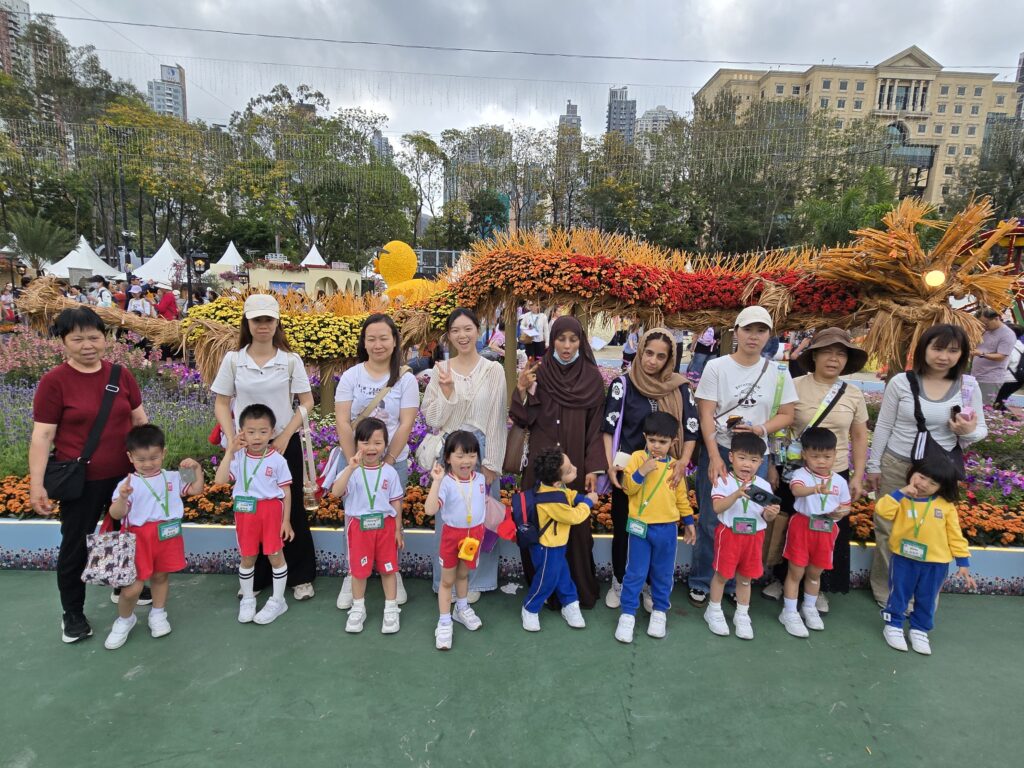
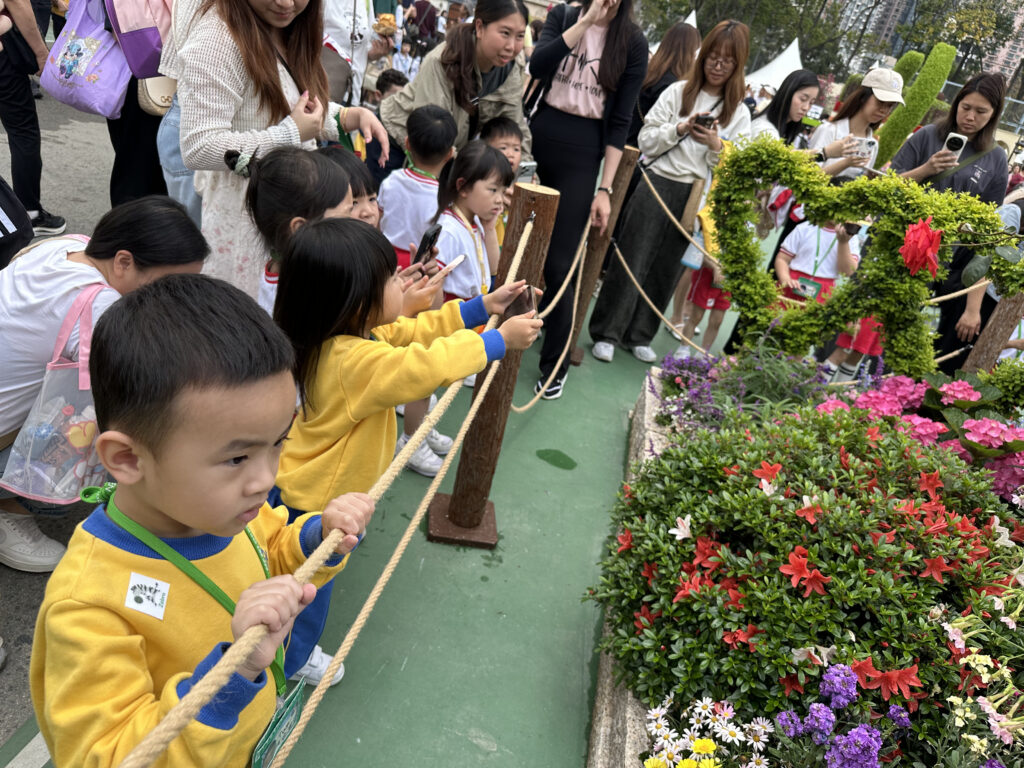
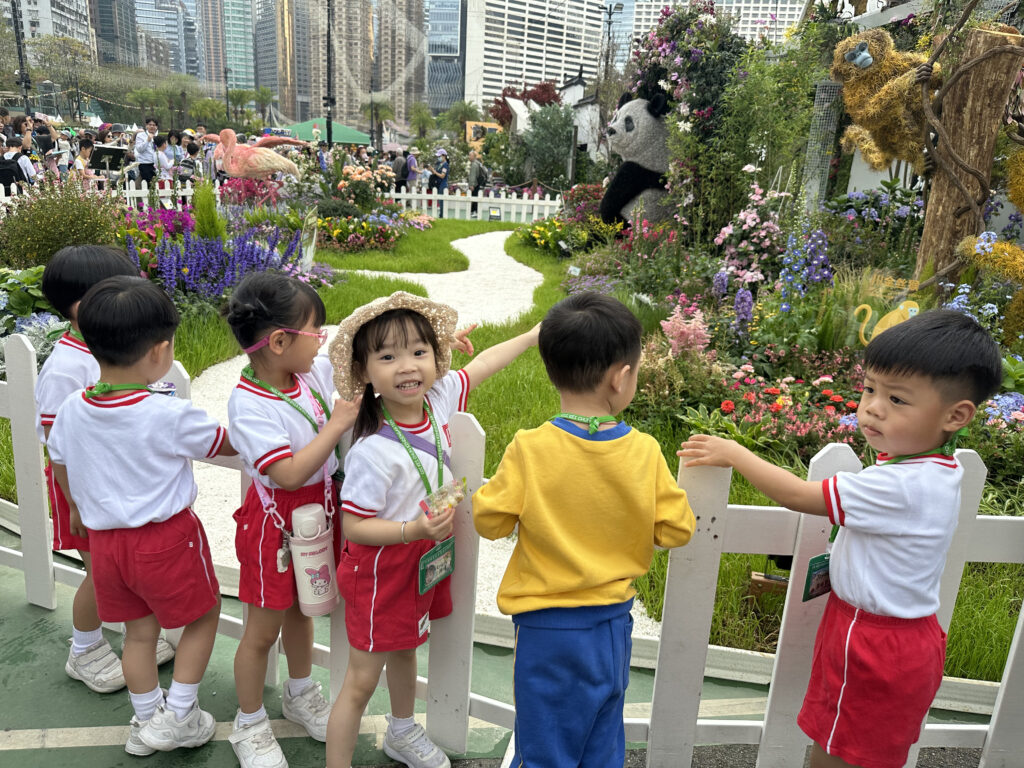
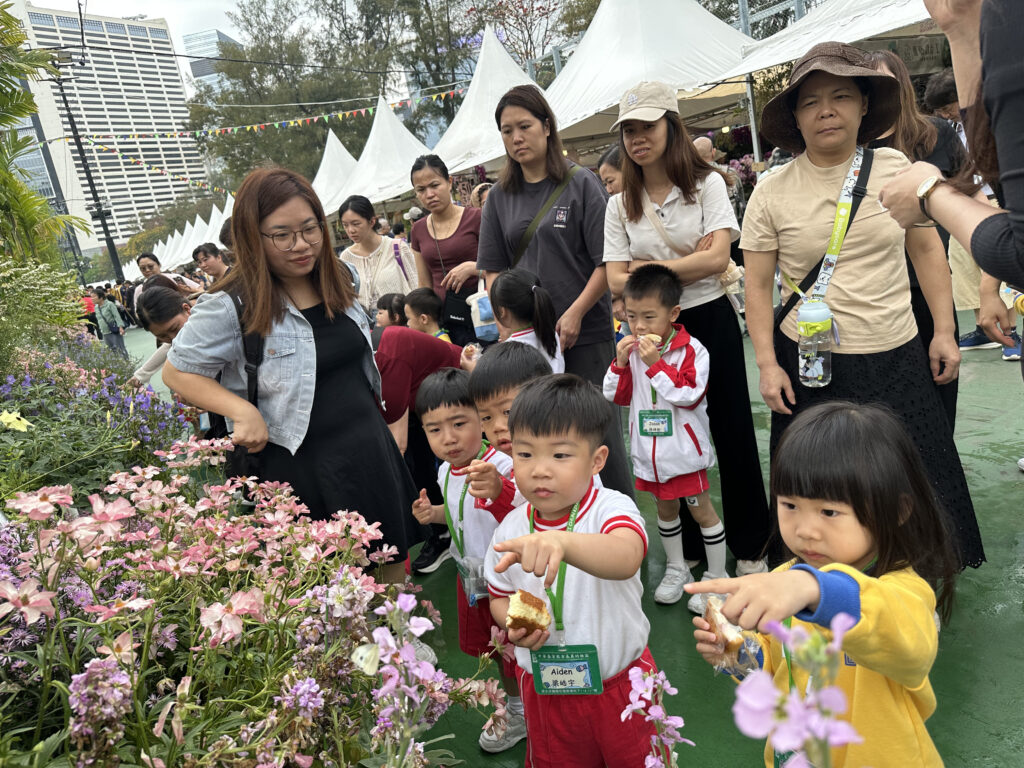
遊花展


參觀/活動地點

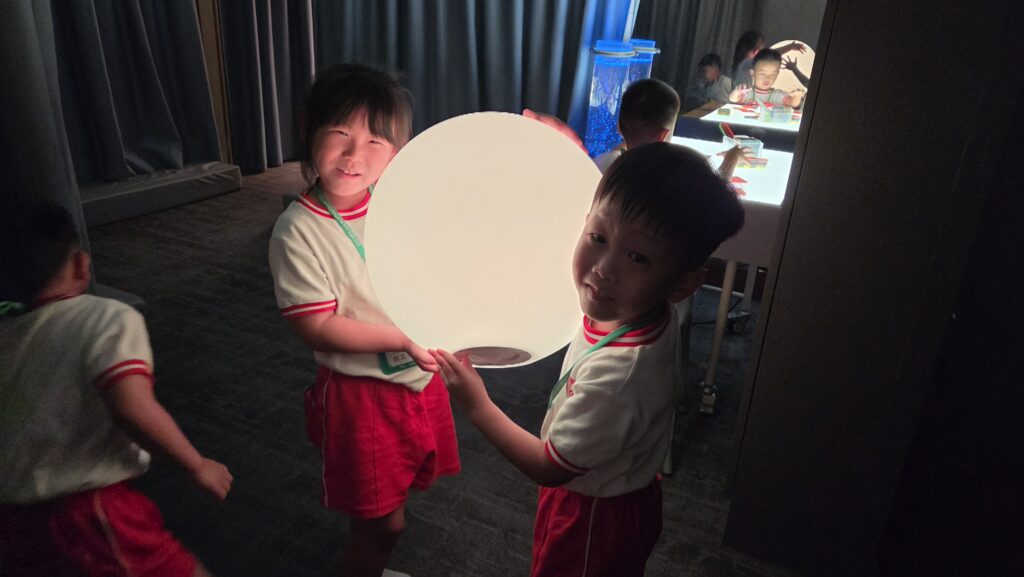
遊戲萬象館


參觀/活動地點

秋遊活動日


參觀/活動地點

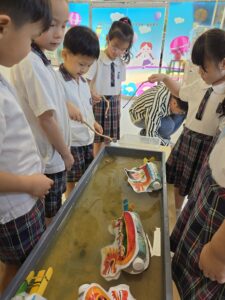
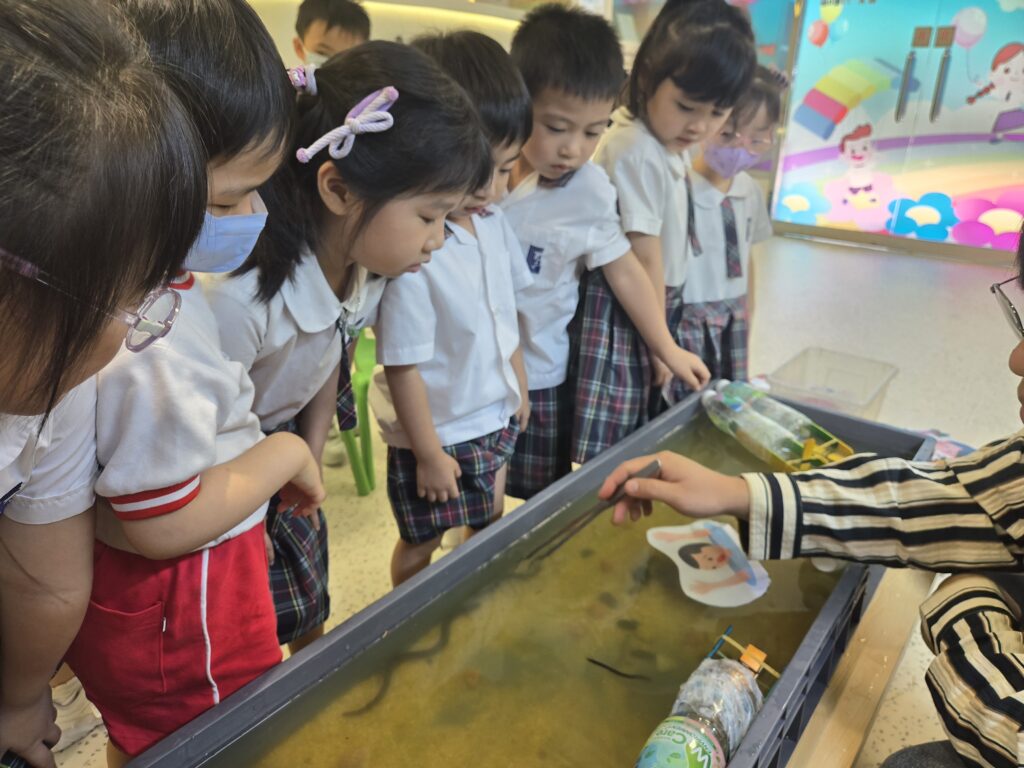
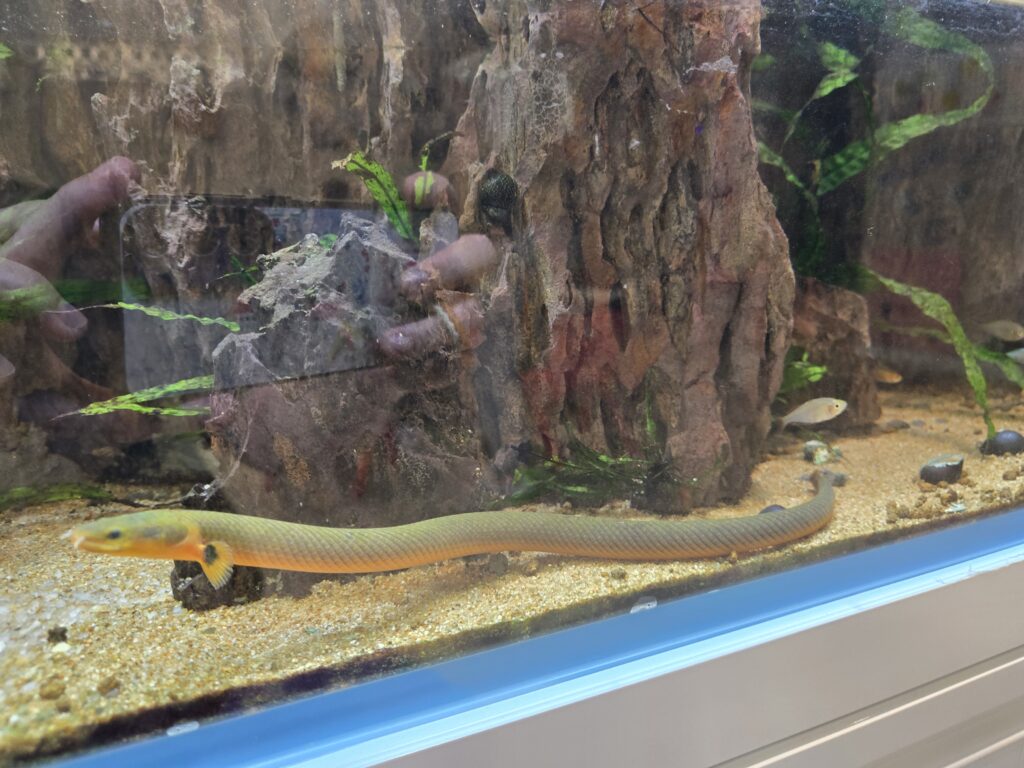
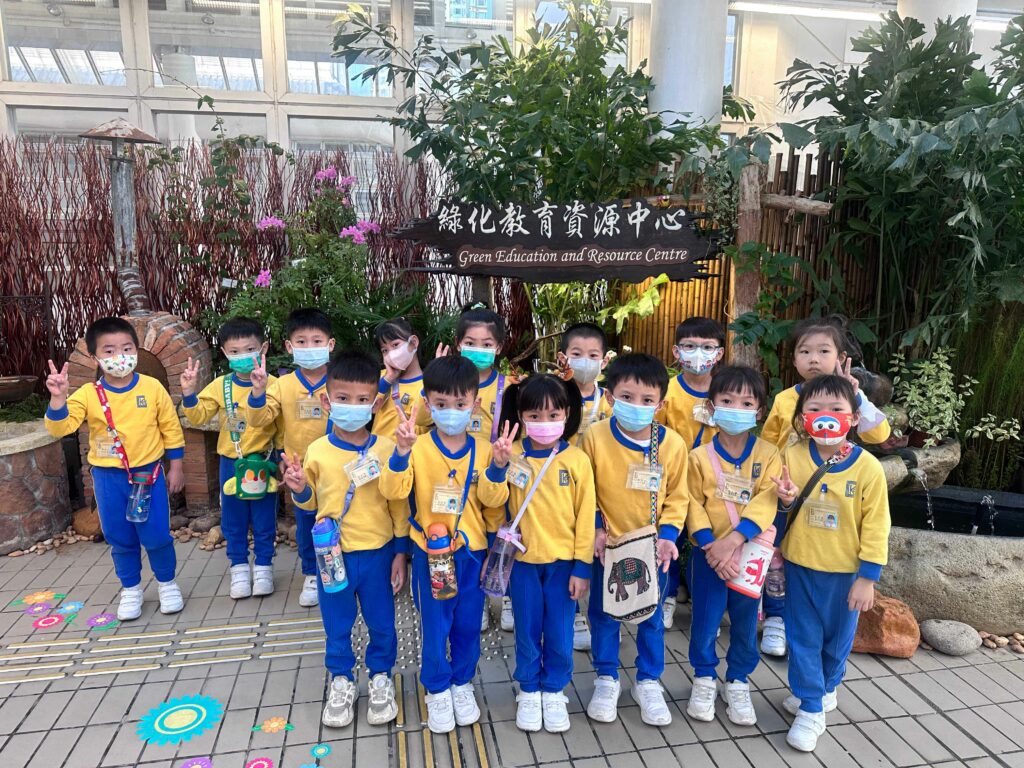
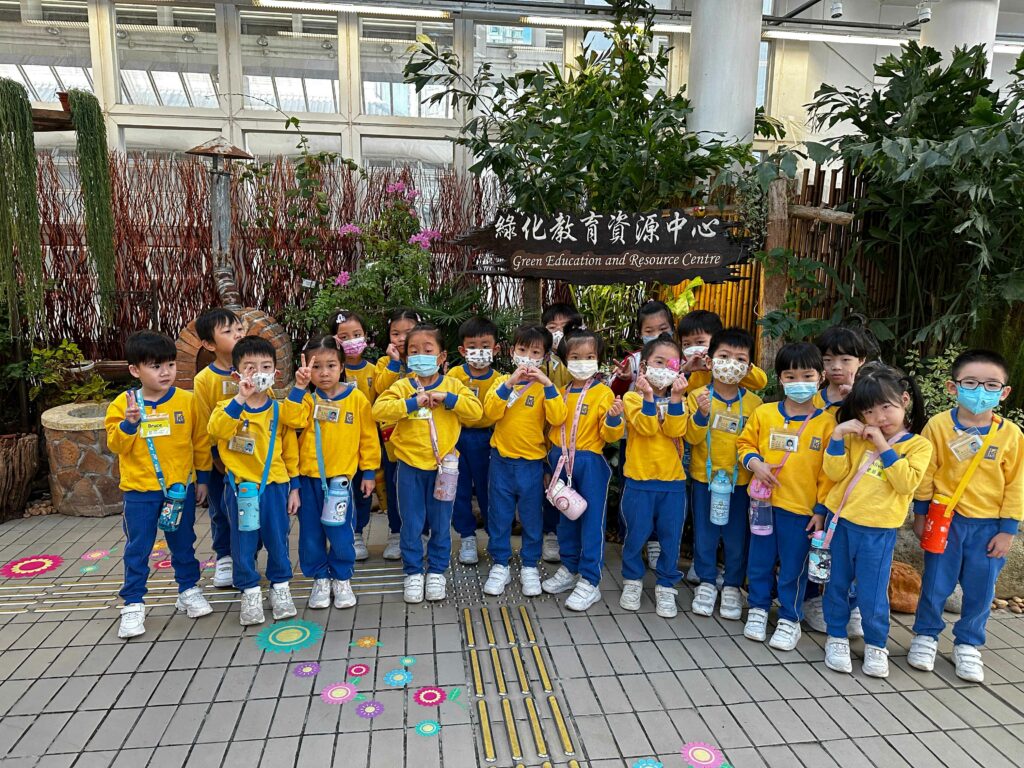
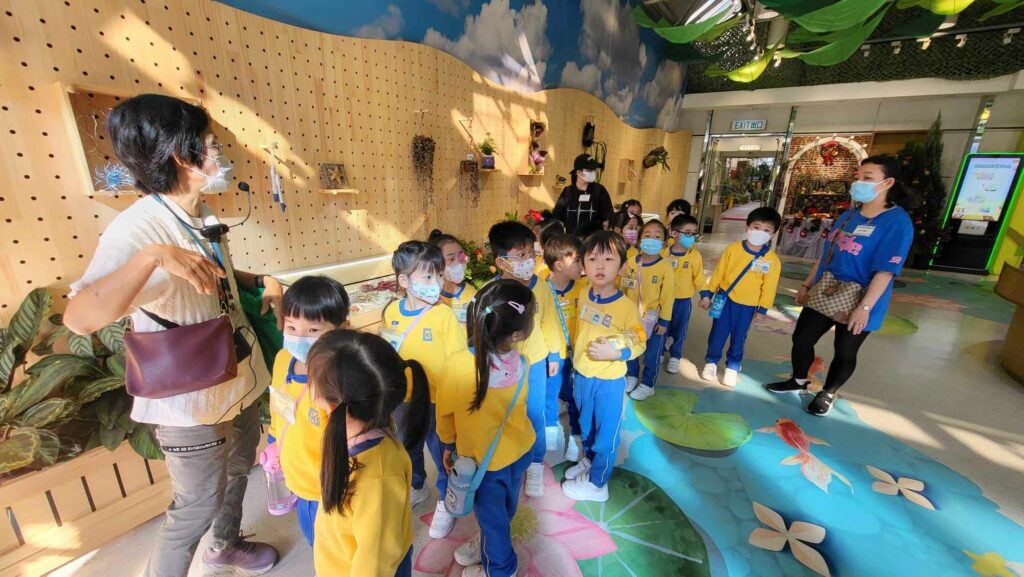
綠化教育資源中心


參觀/活動地點

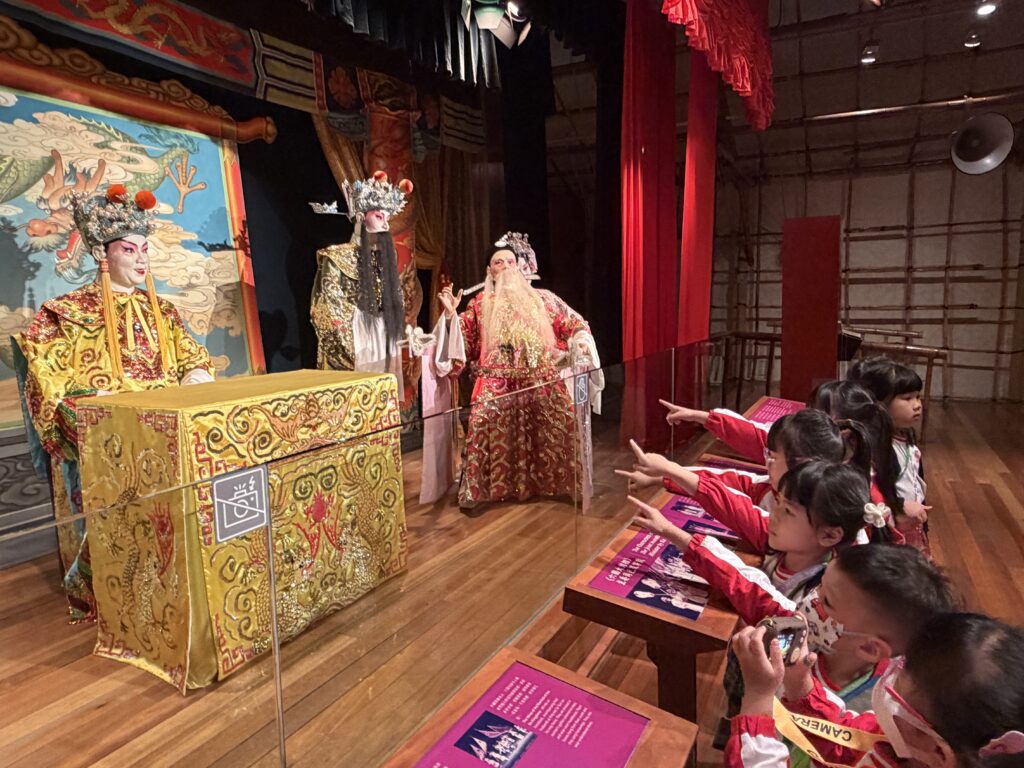
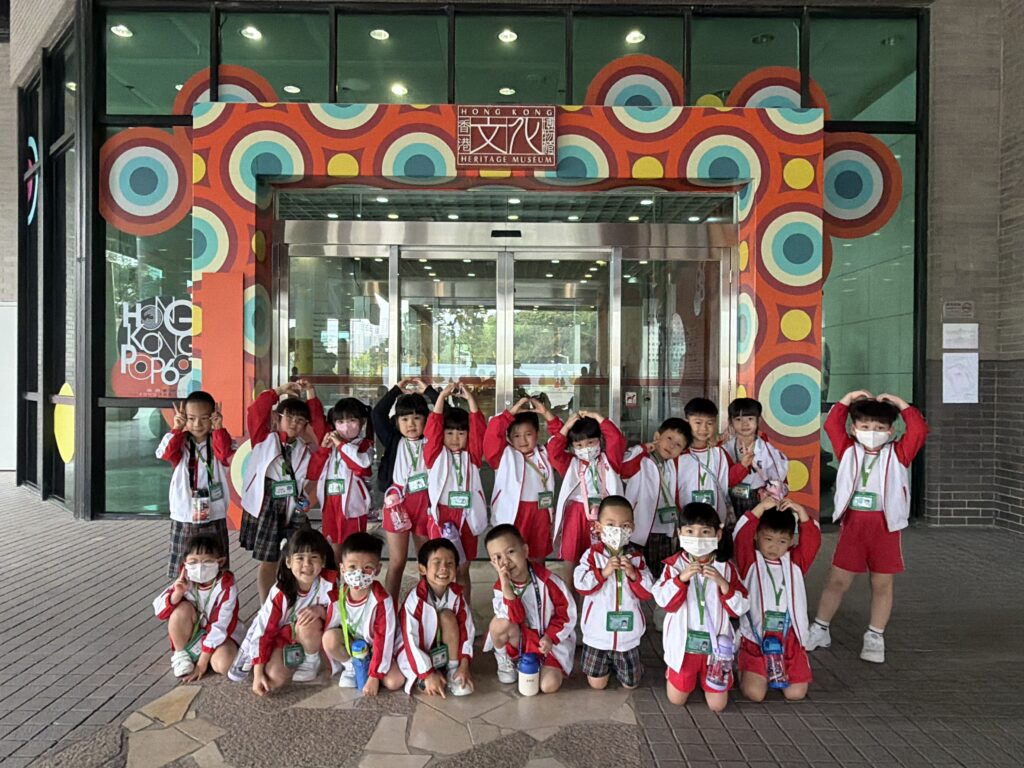
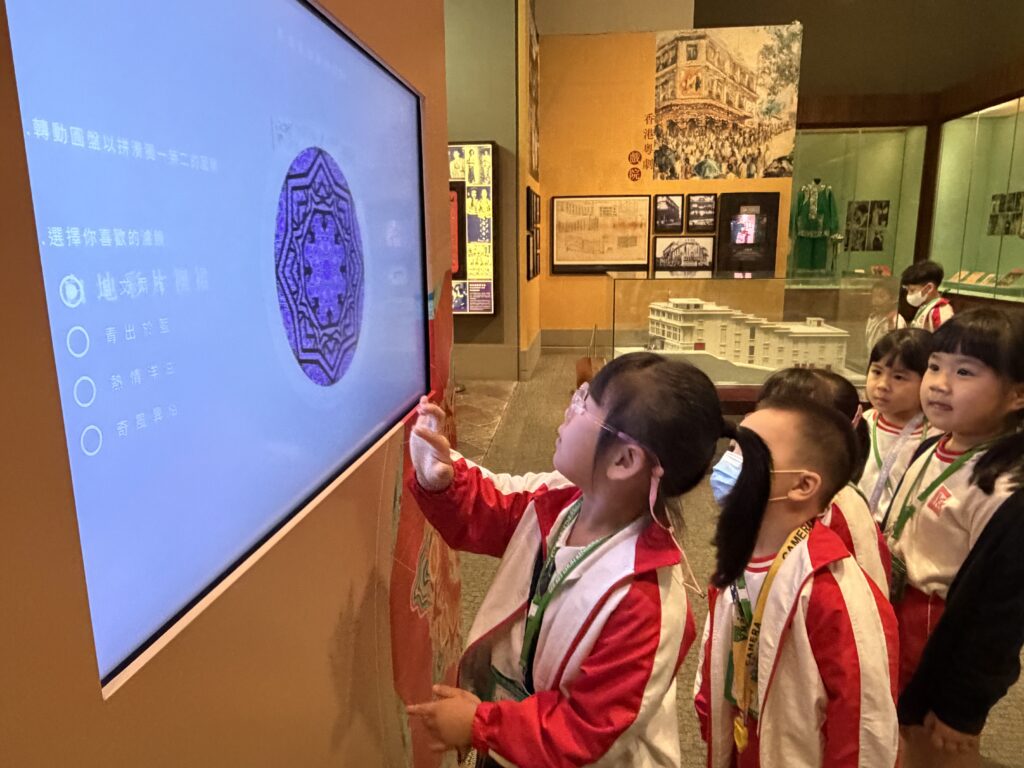
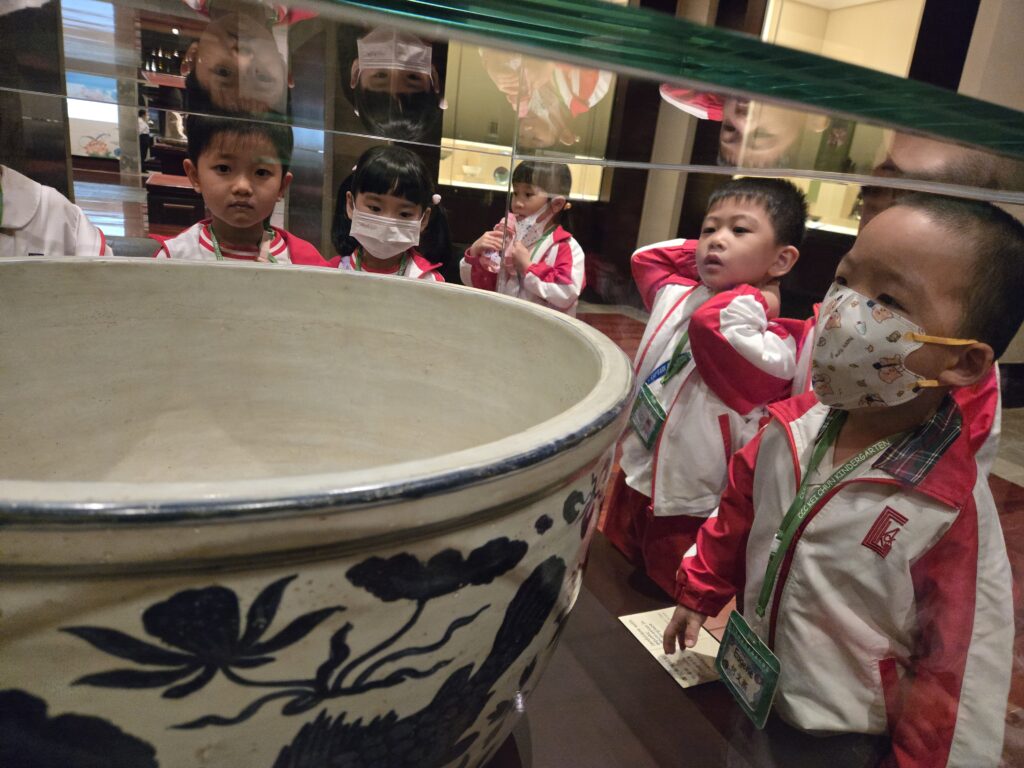
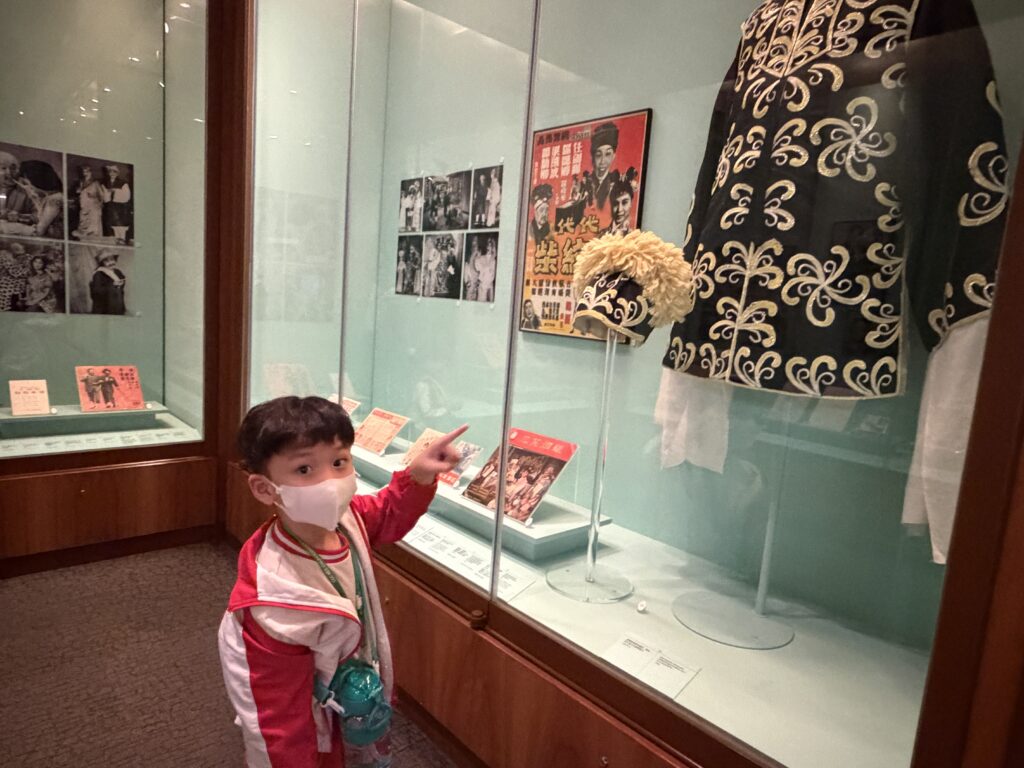
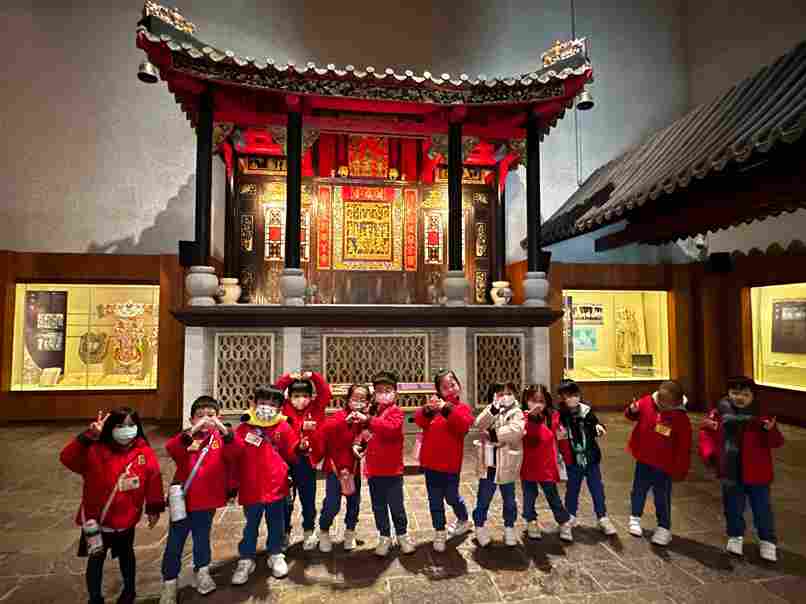
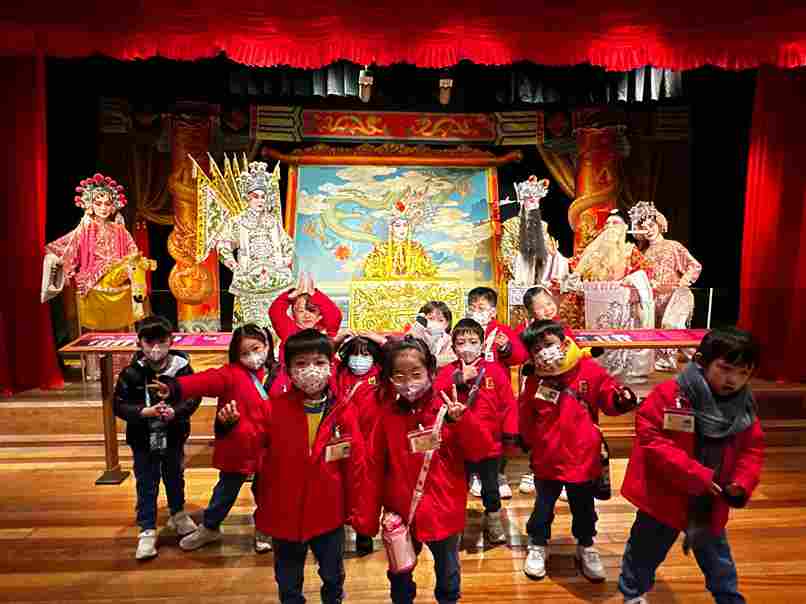
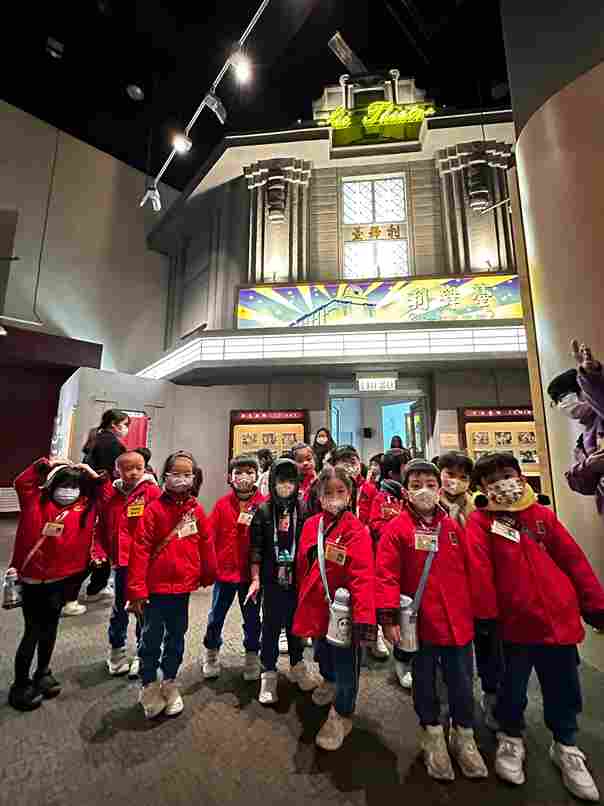
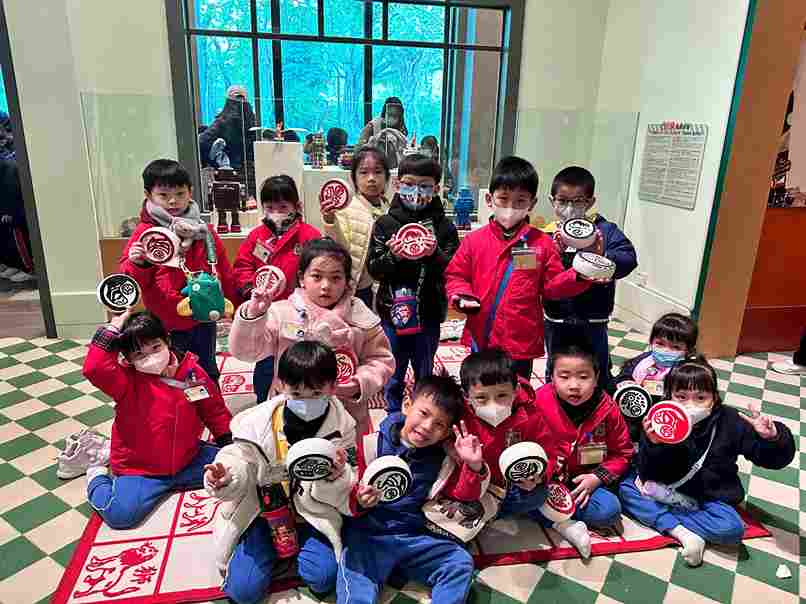
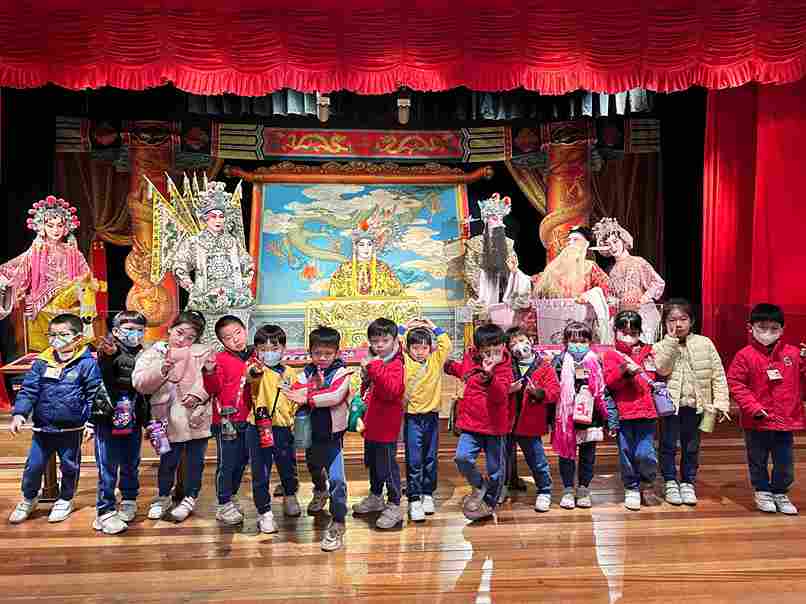
香港文化博物館


參觀/活動地點

農耕樂

參觀/活動地點

遊花展

參觀/活動地點

遊戲萬象館

參觀/活動地點

秋遊活動日

參觀/活動地點

綠化教育資源中心

參觀/活動地點

香港文化博物館

Categories
2024-2025 Experiential Learning

2024-2025 Experiential Learning Activities Outside the Classroom

2024-2025
Experiential Learning Activities Outside the Classroom

參觀/活動地點

農耕樂

參觀/活動地點

遊花展

參觀/活動地點

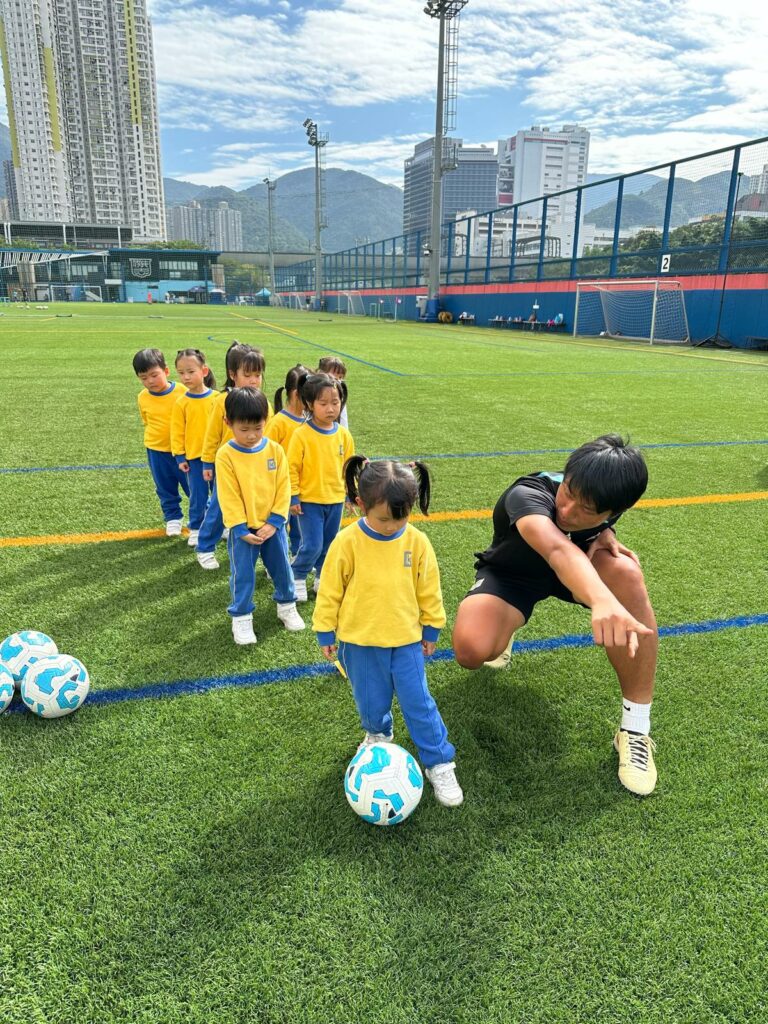
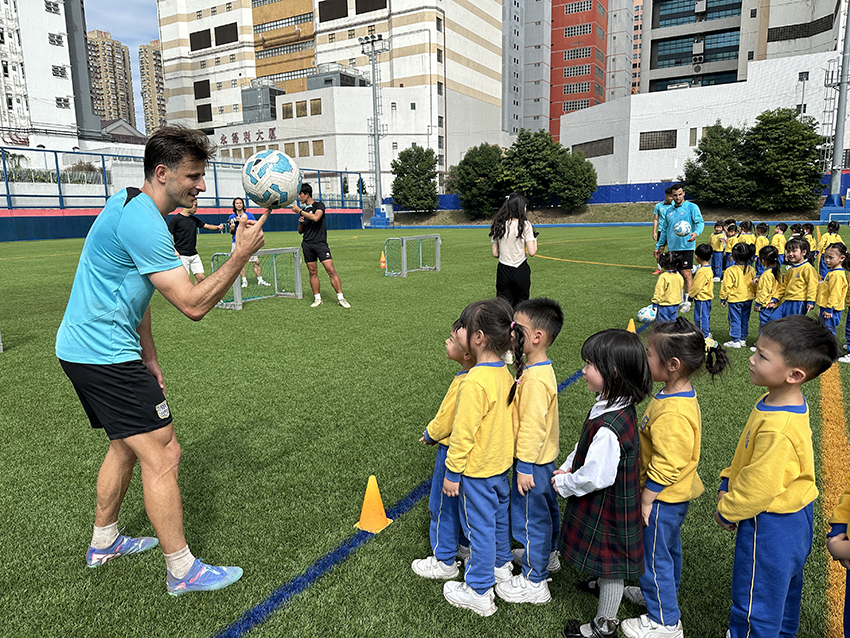
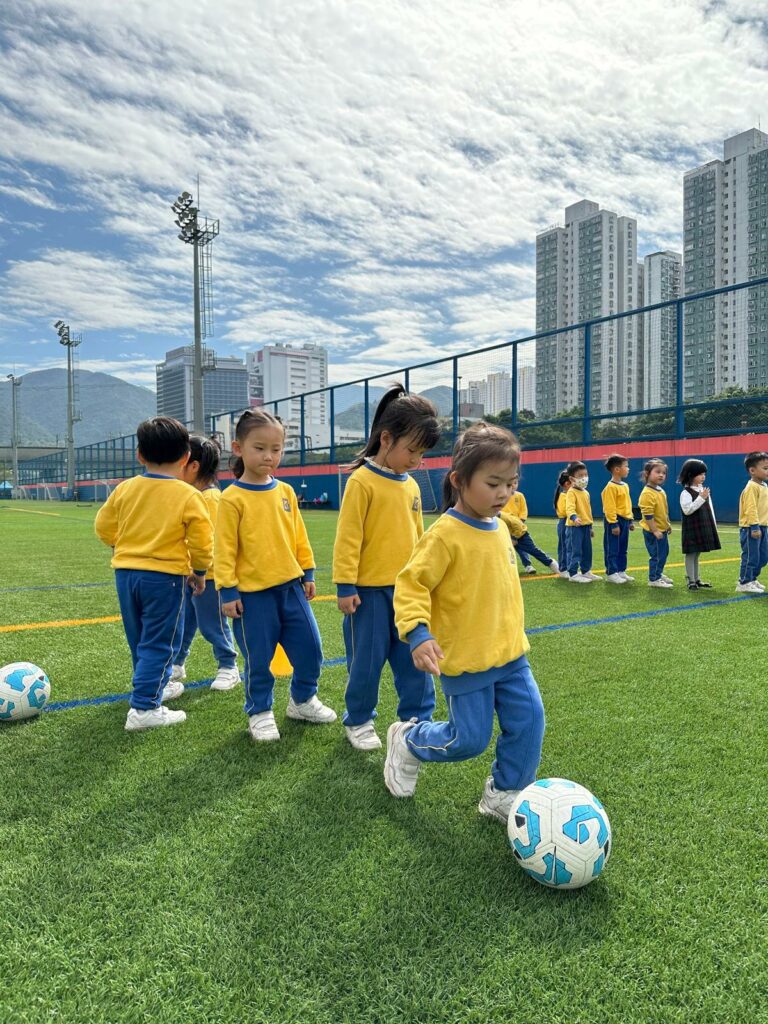
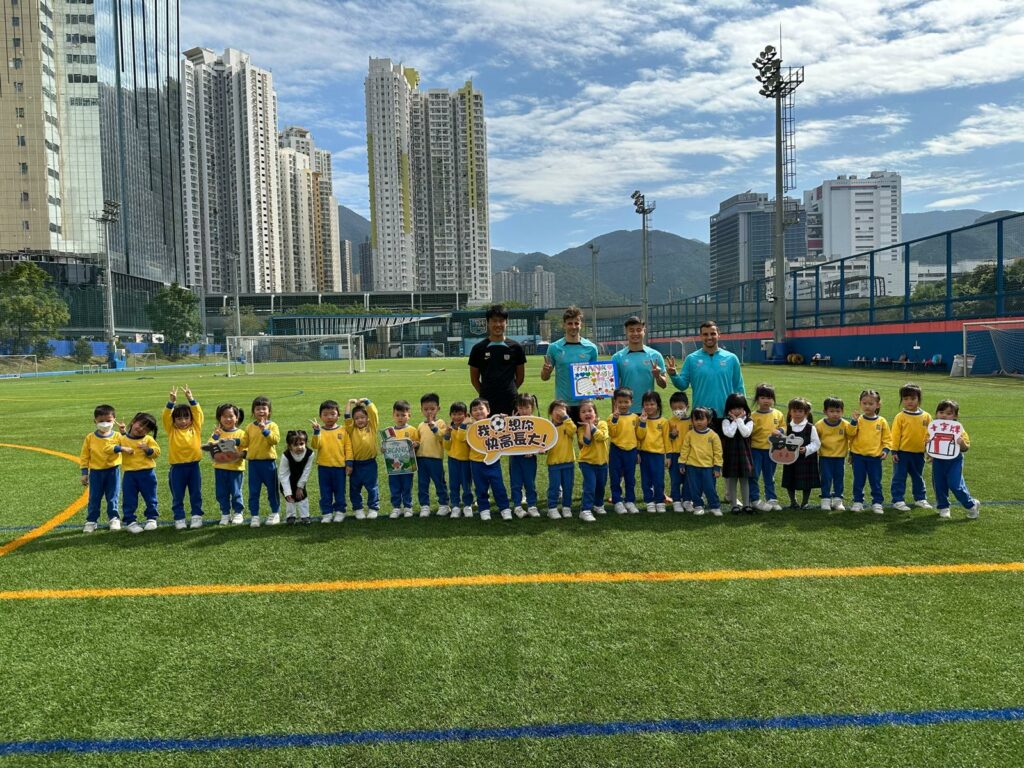
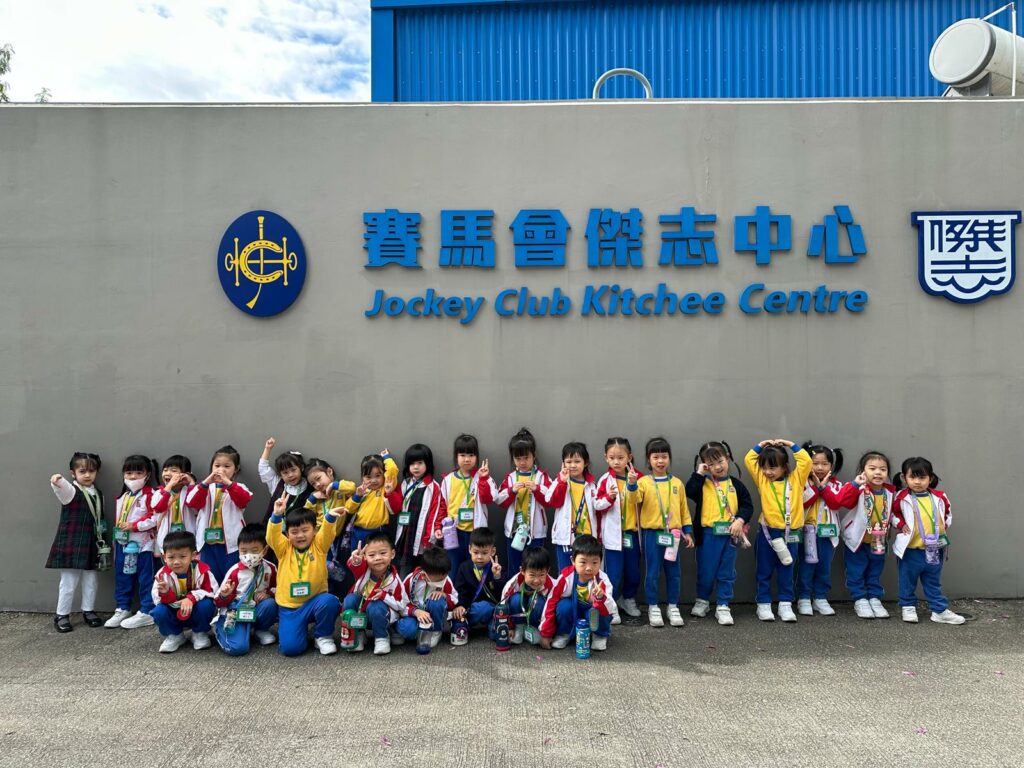
傑志體育會

參觀/活動地點

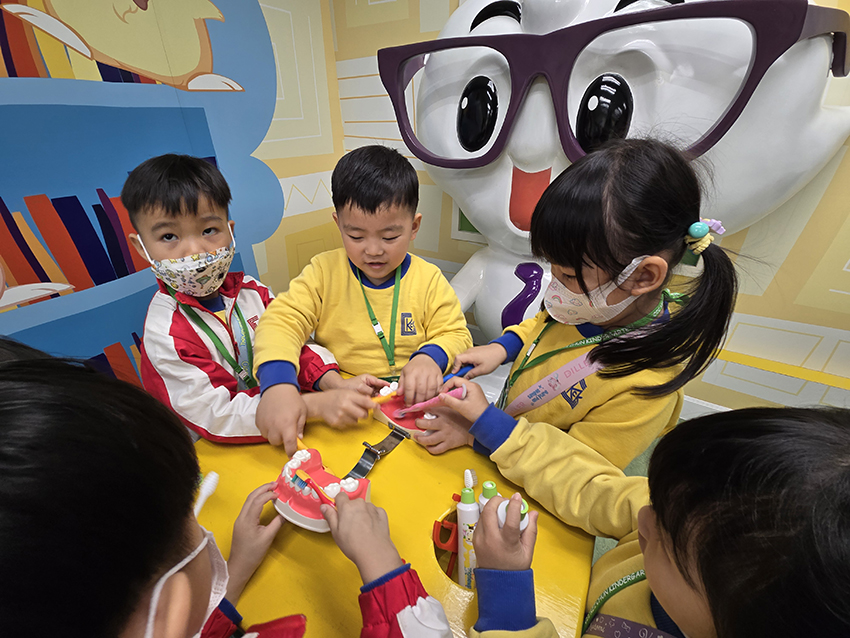
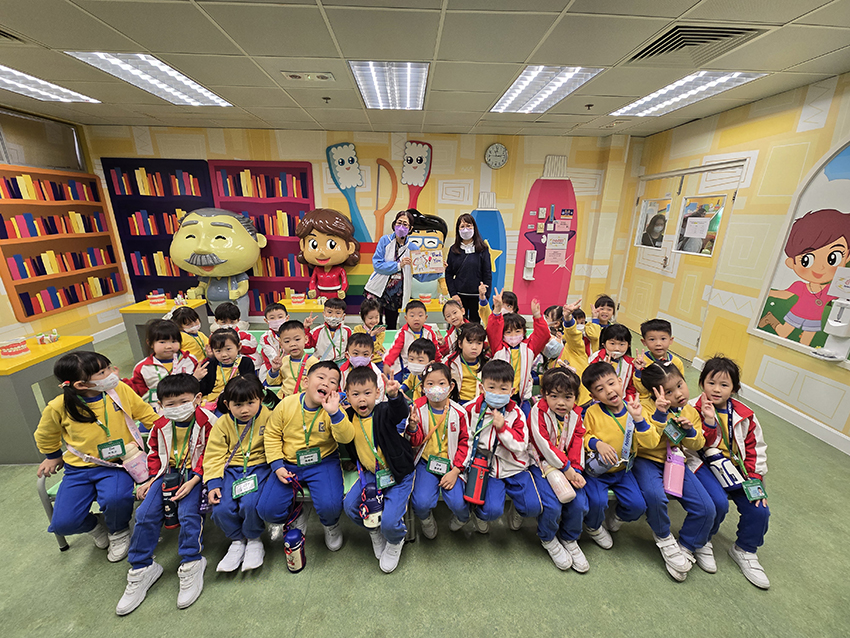
陽光笑容小樂園

參觀/活動地點

綠化教育資源中心

參觀/活動地點

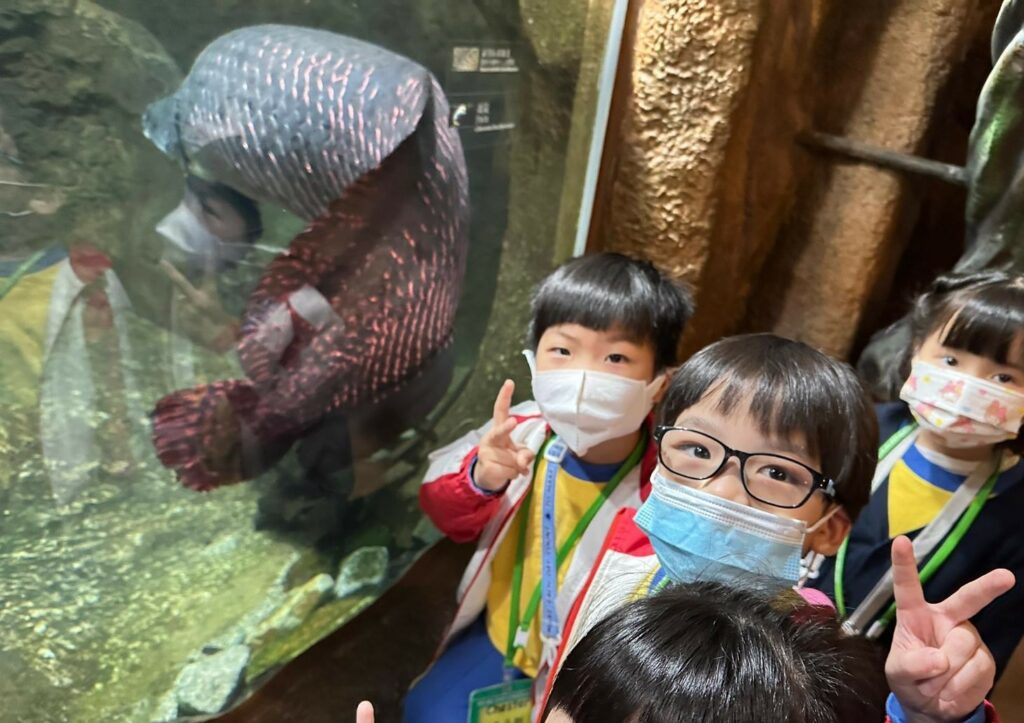
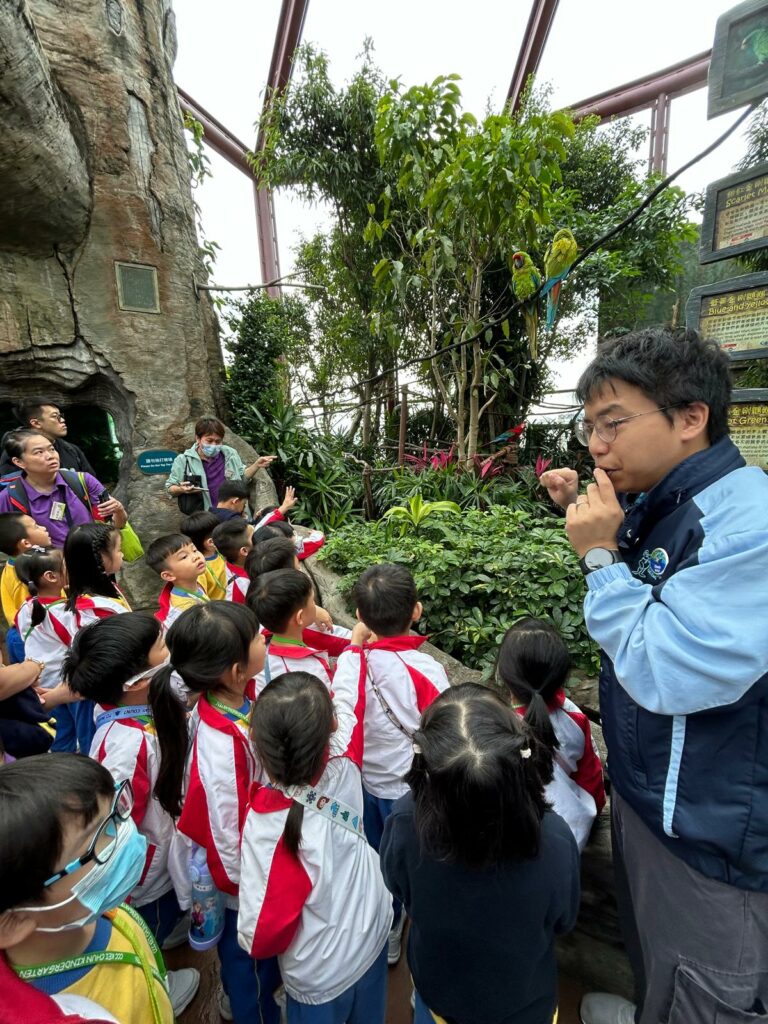
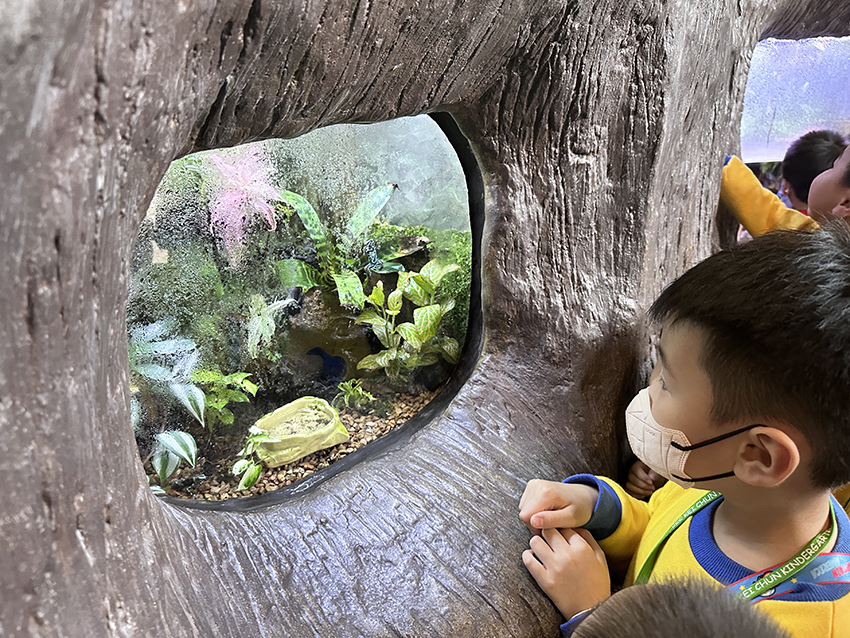
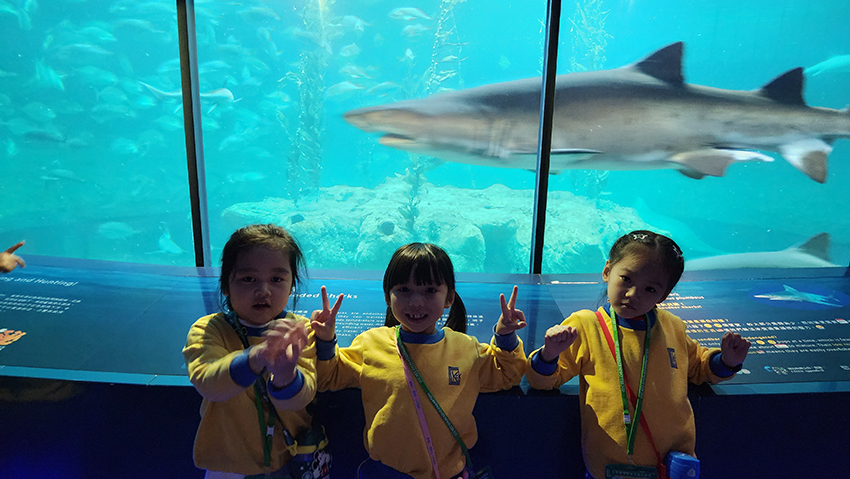
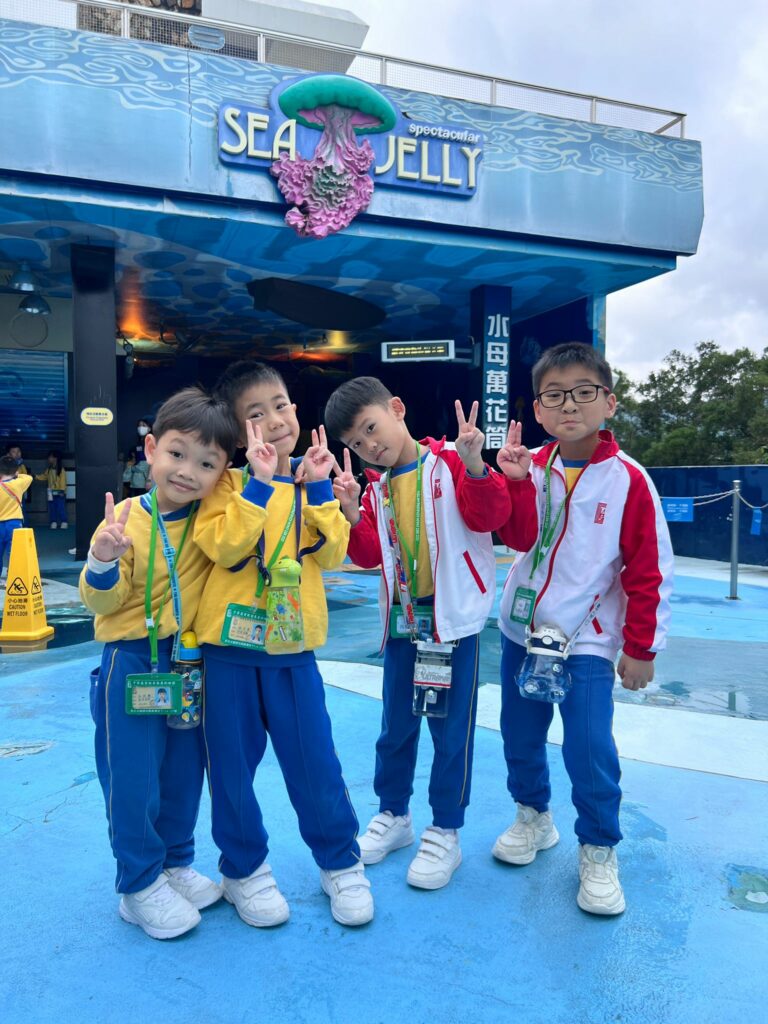
香港海洋公園 – 雨林大歷險

Categories
2025-2026 Experiential Learning

2025-2026 Experiential Learning Activities Outside the Classroom

2025-2026
Experiential Learning Activities Outside the Classroom

Destinations

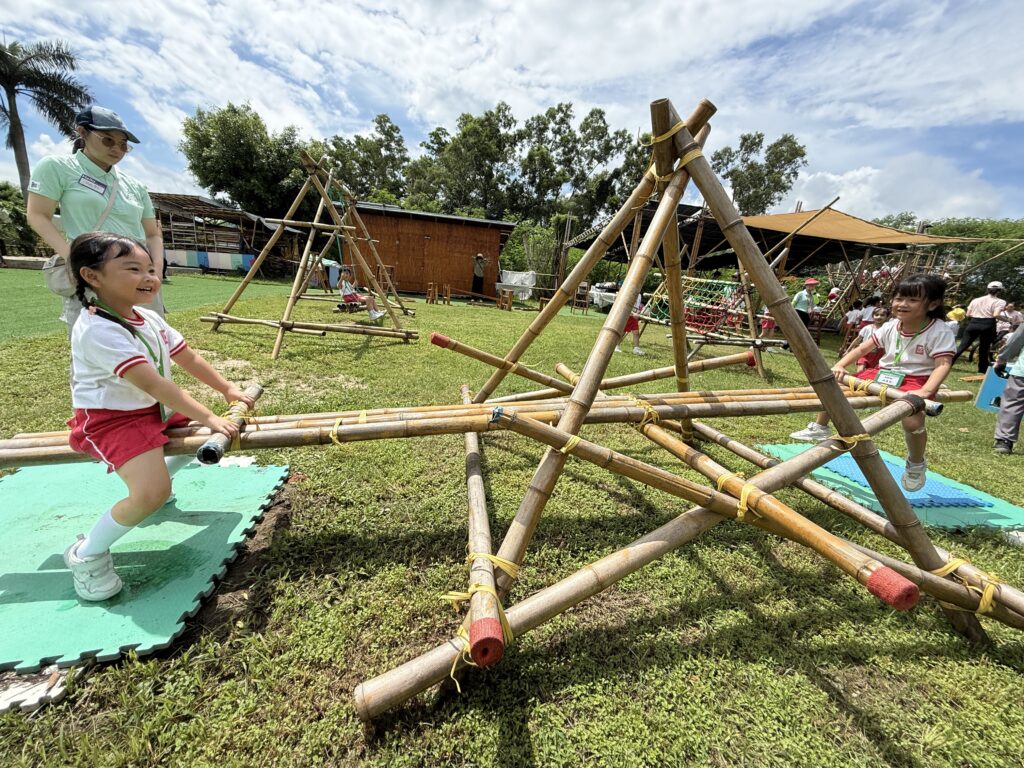
Free Play Bamboo Park

Destinations

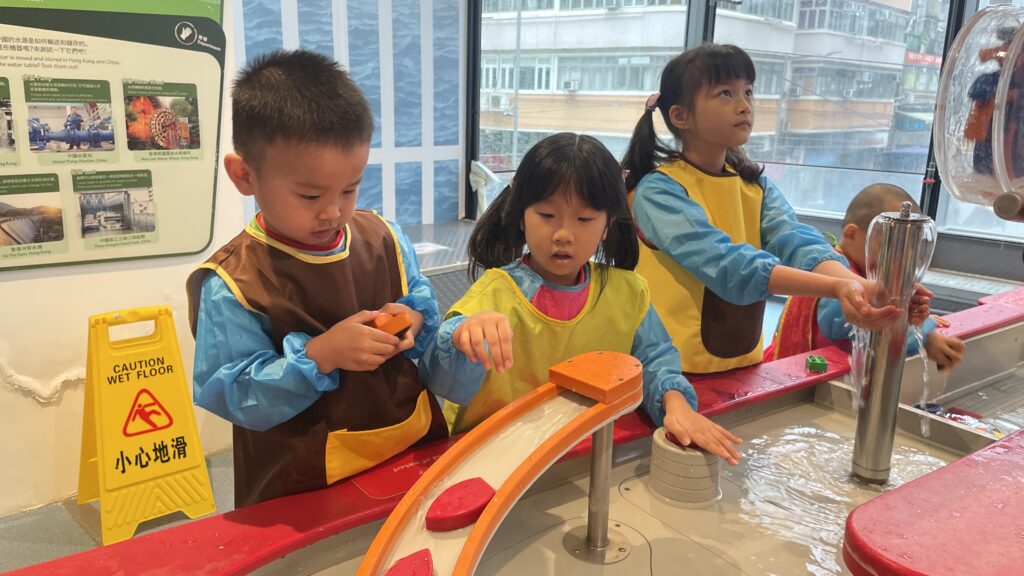
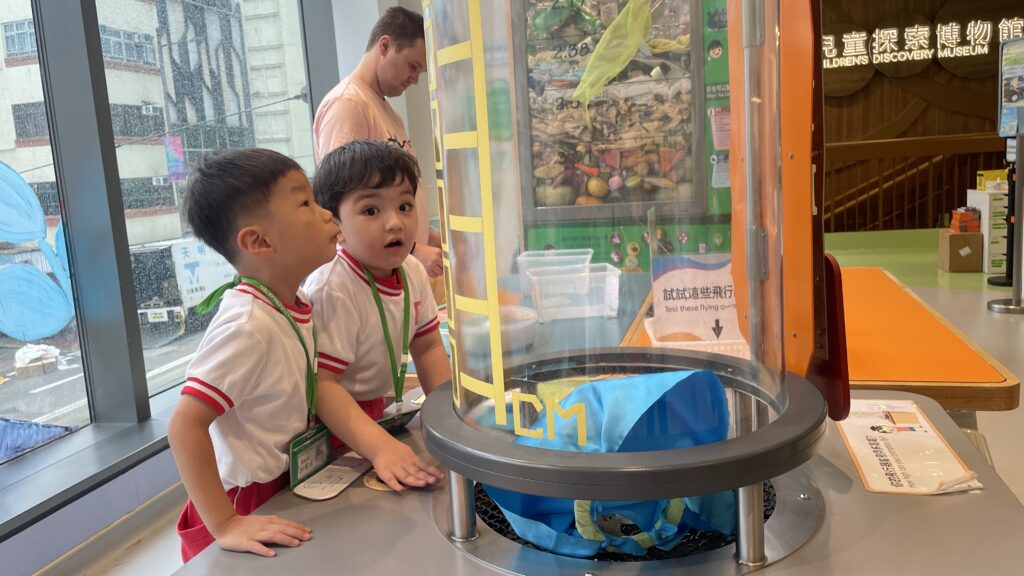
Hong Kong Children’s Discovery Museum

Destinations

Dream Together Playground

Destinations

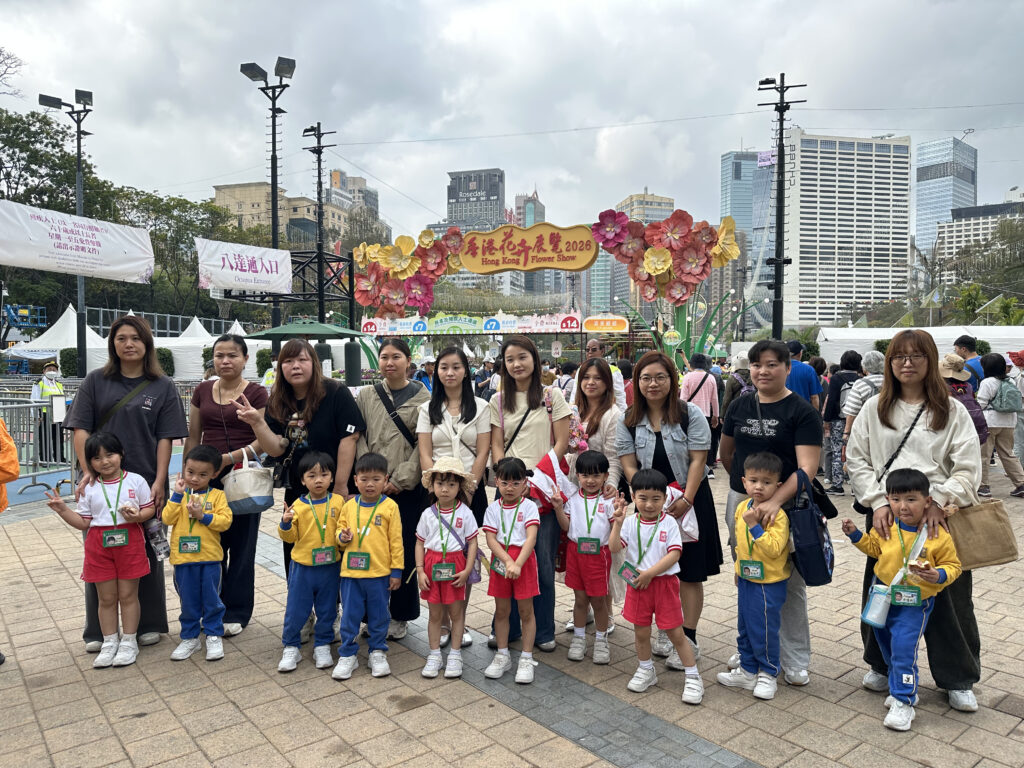
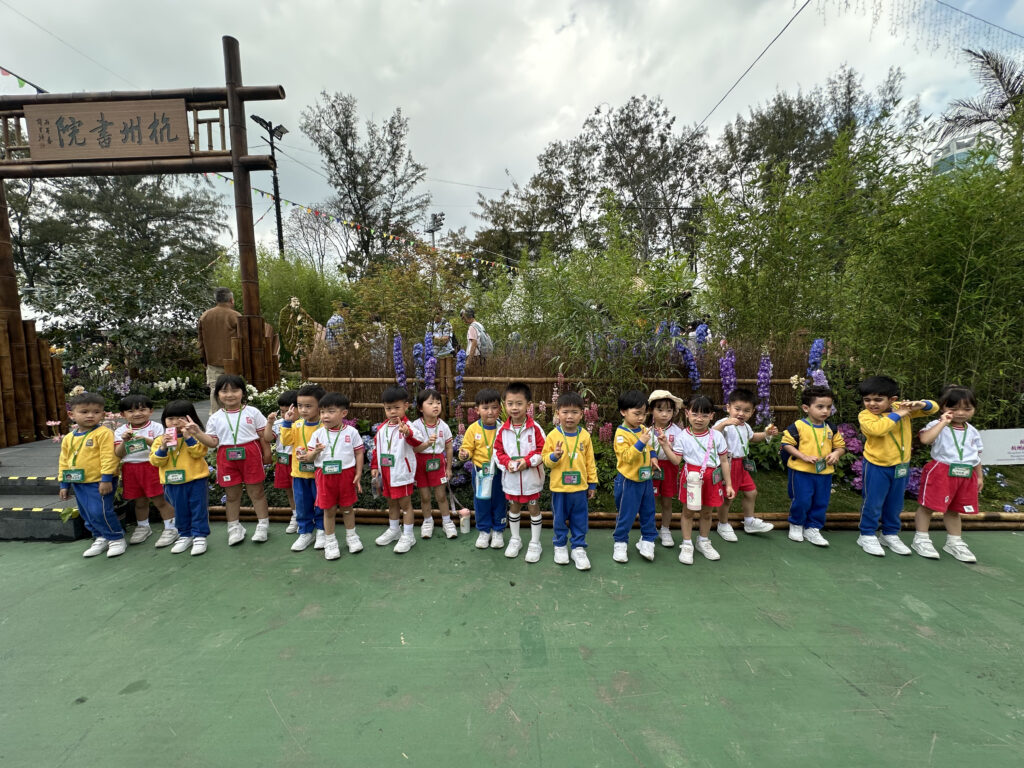
Hong Kong Flower Show

Destinations

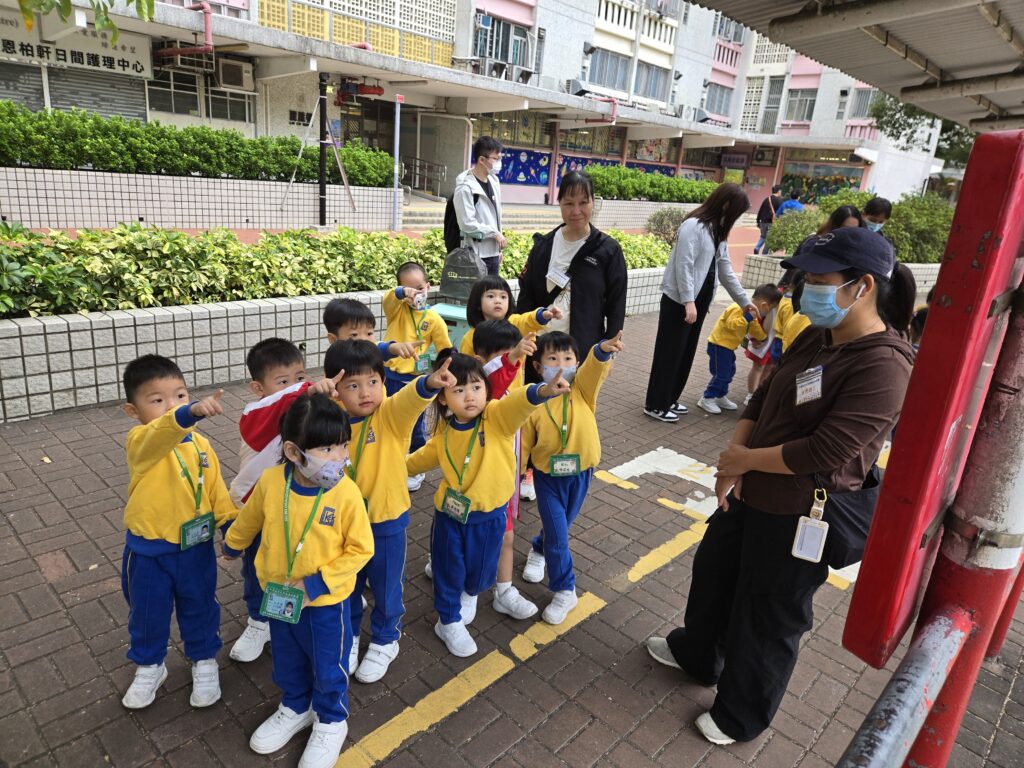
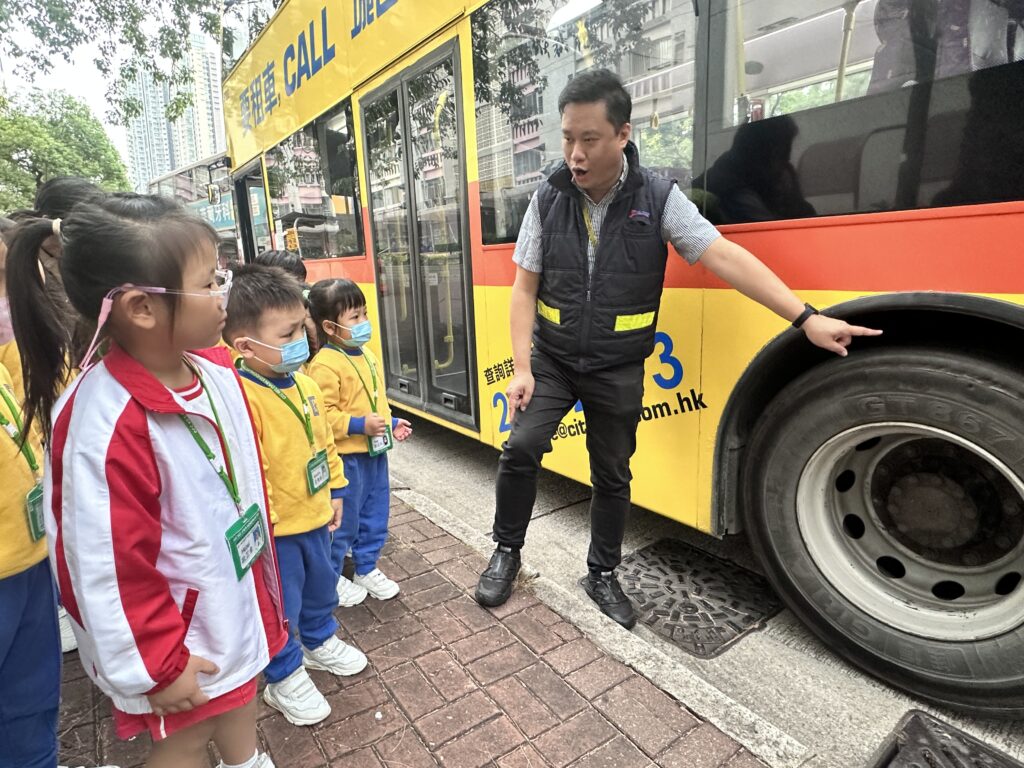
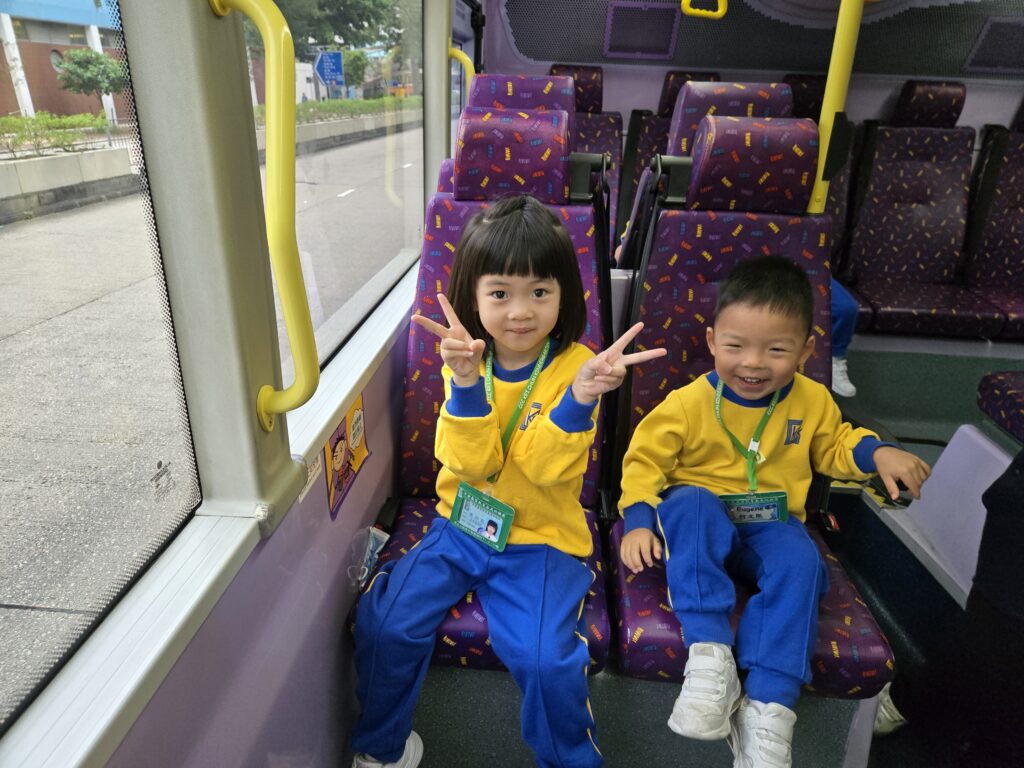
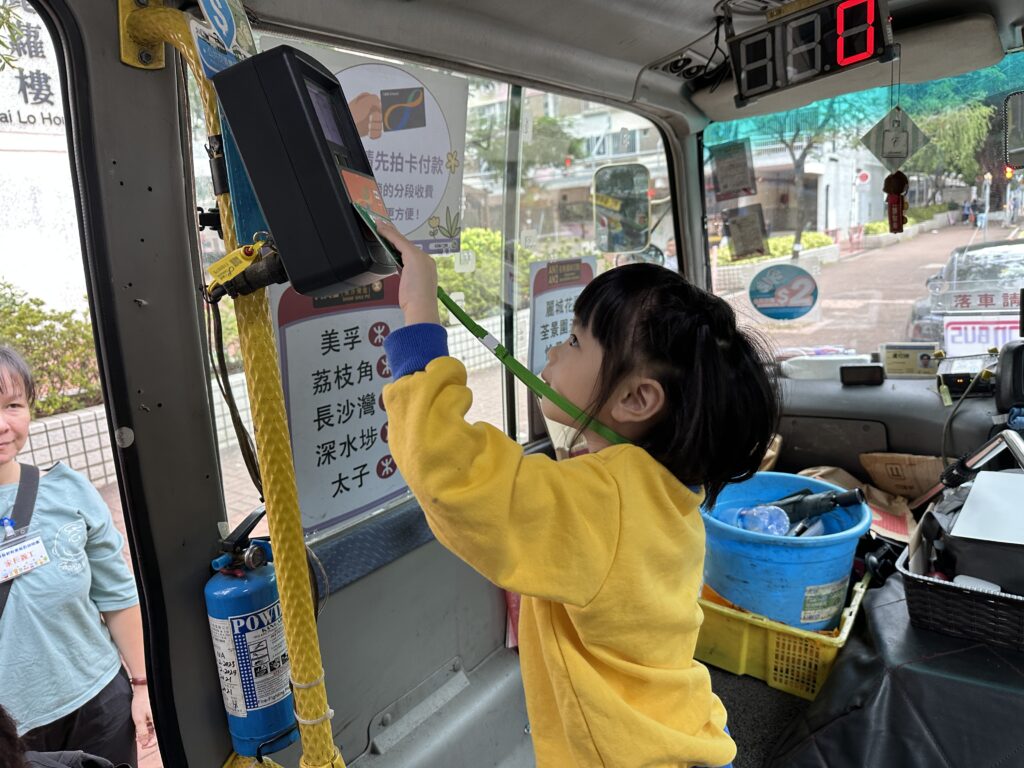
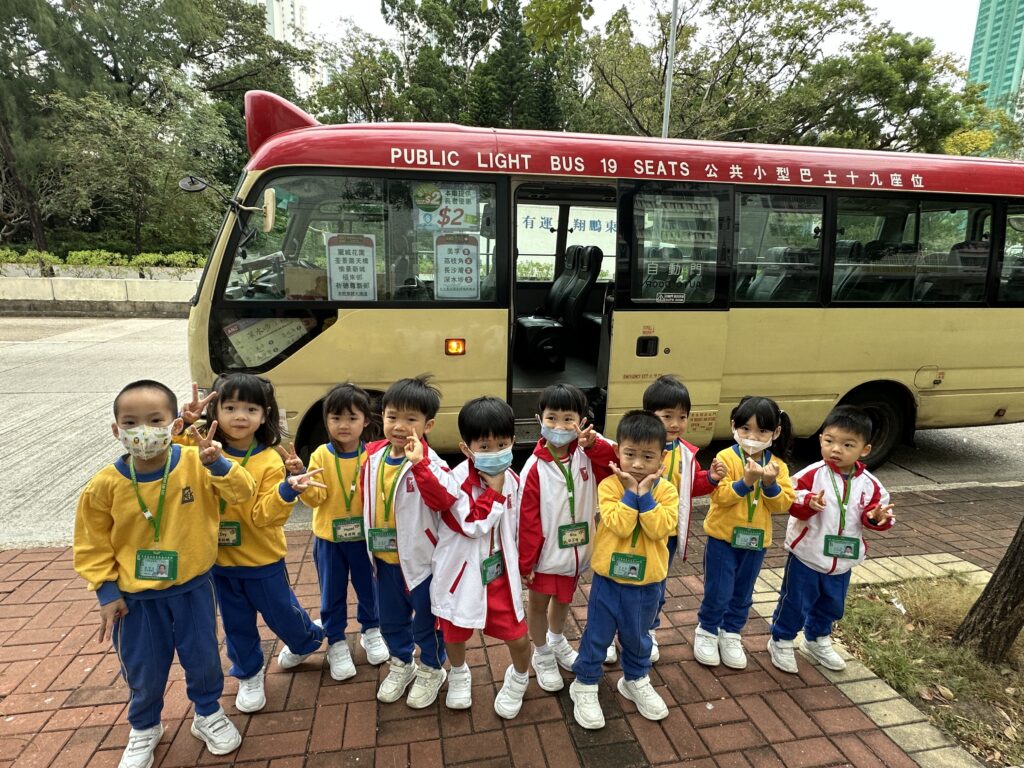
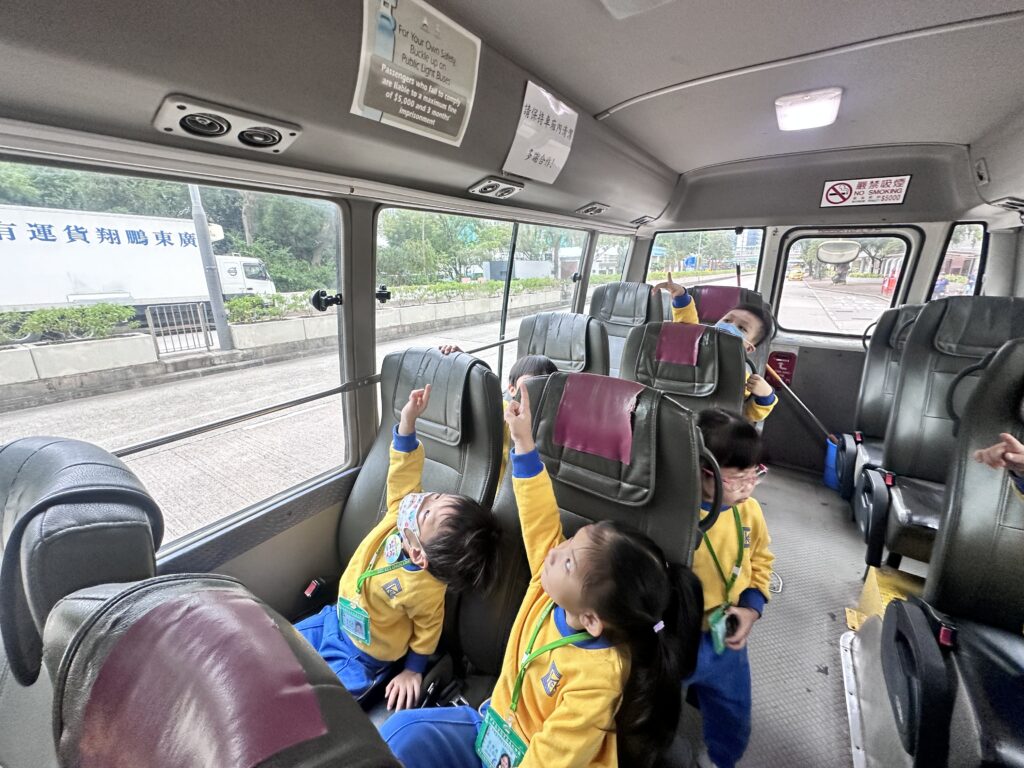
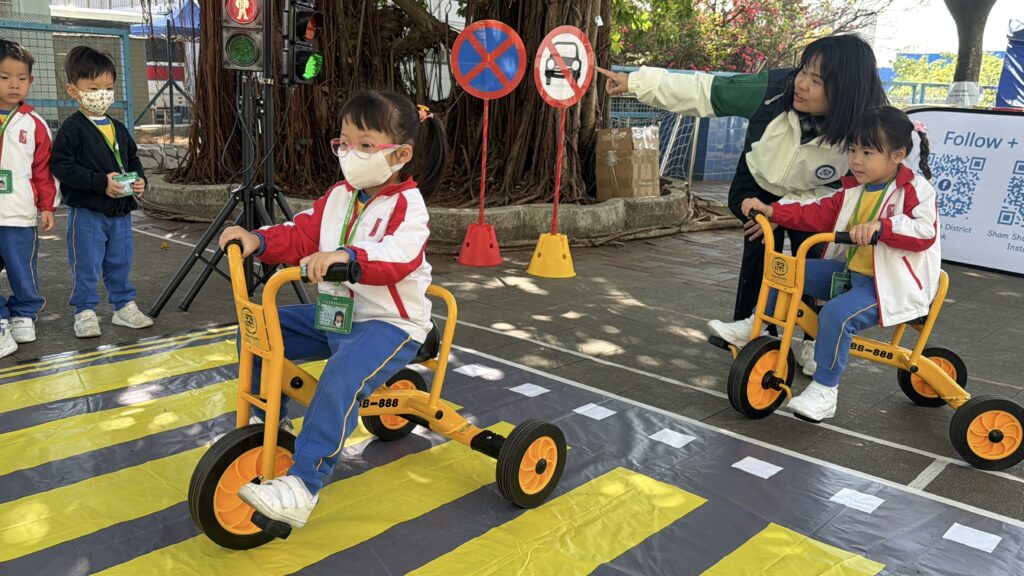
Community Transit Tour: Learning About Transport

Destinations

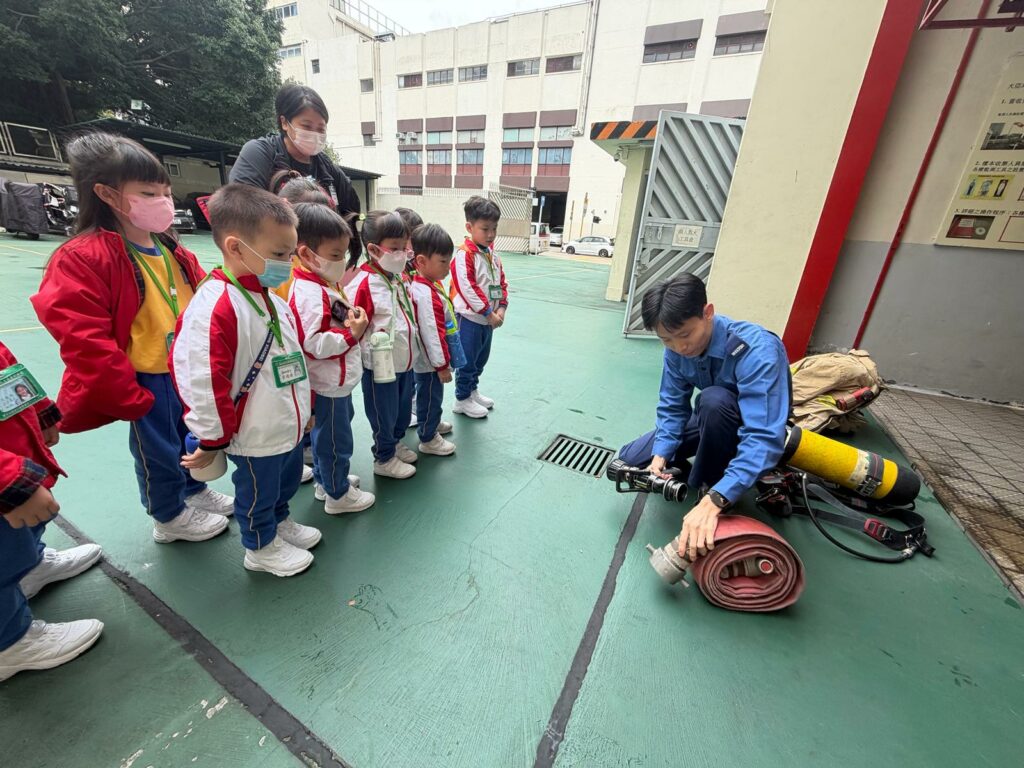
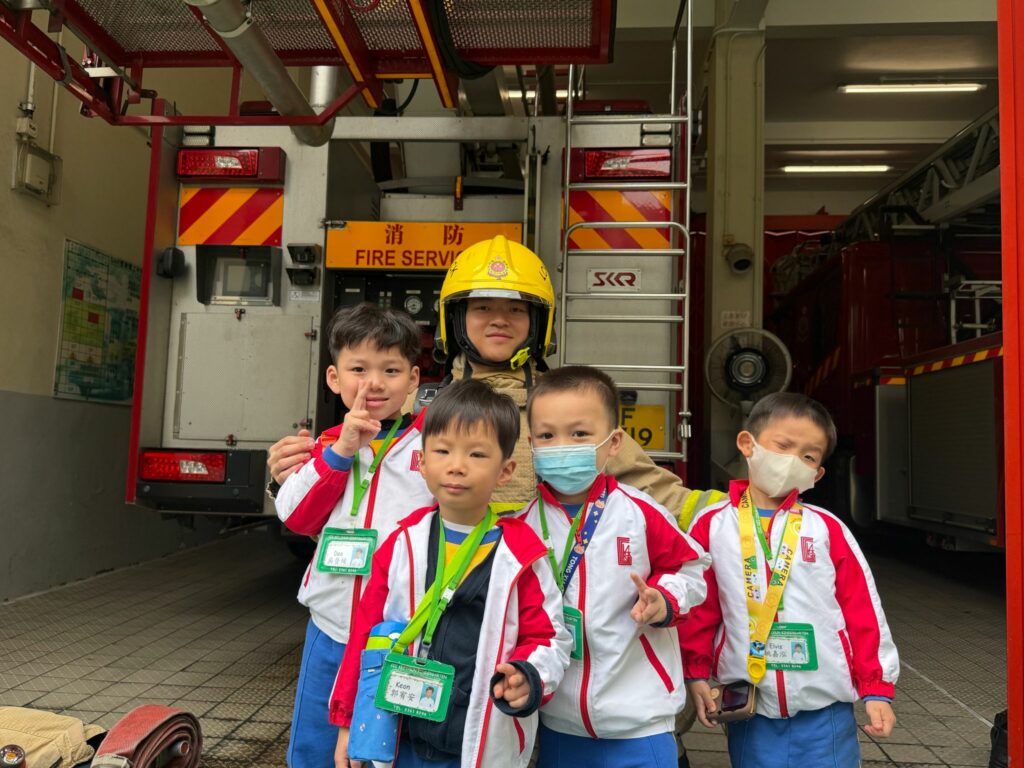
Lai Chi Kok Fire Station

Destinations

Sham Shui Po District Junior Police Call Clubhouse

Destinations

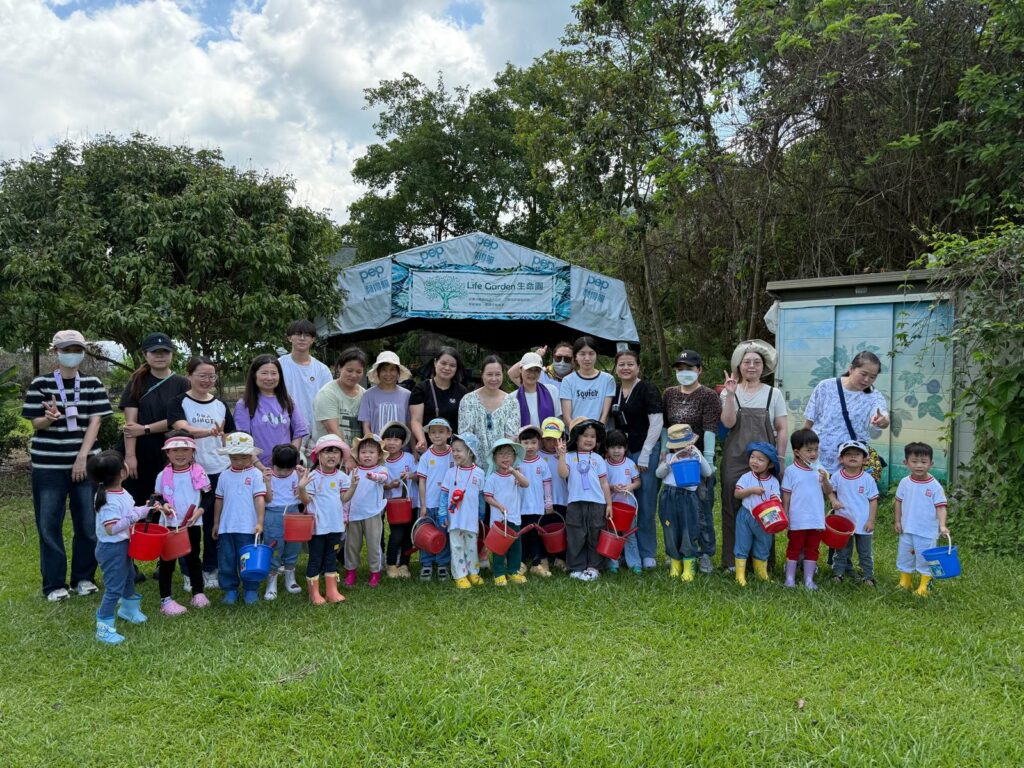
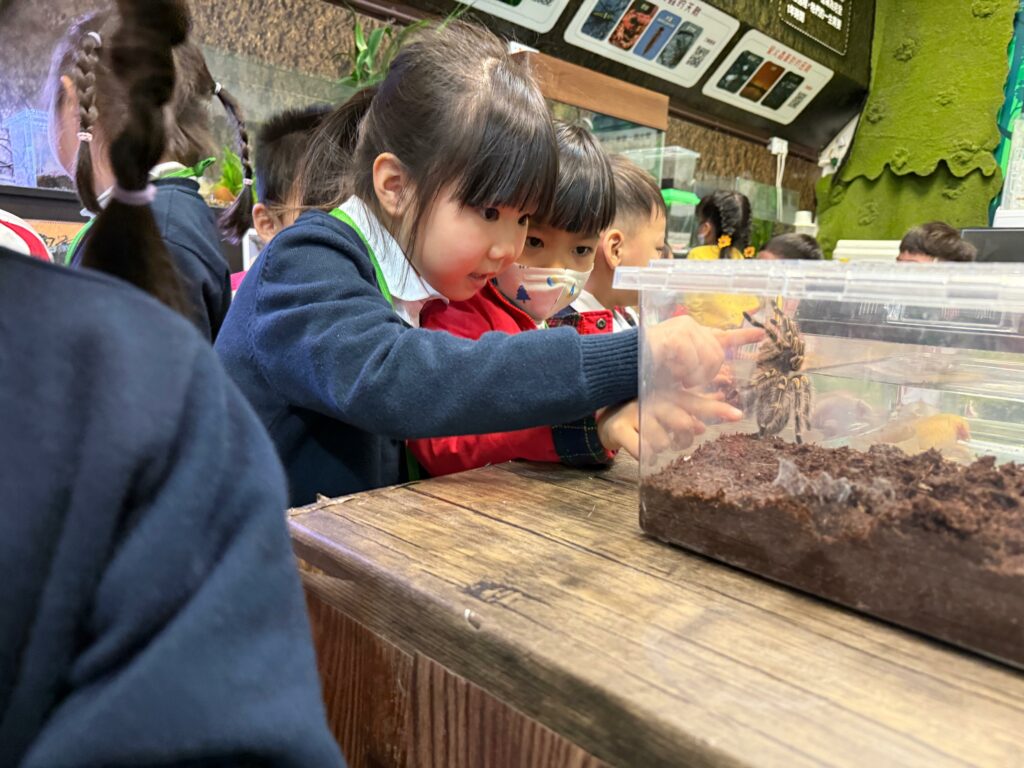
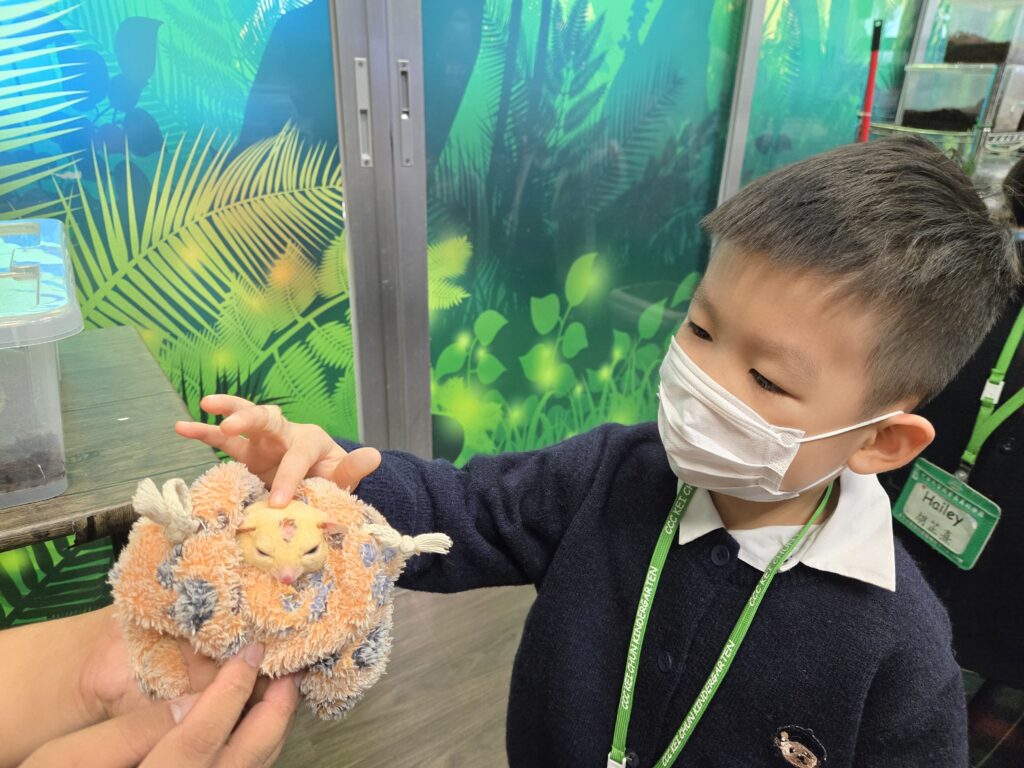
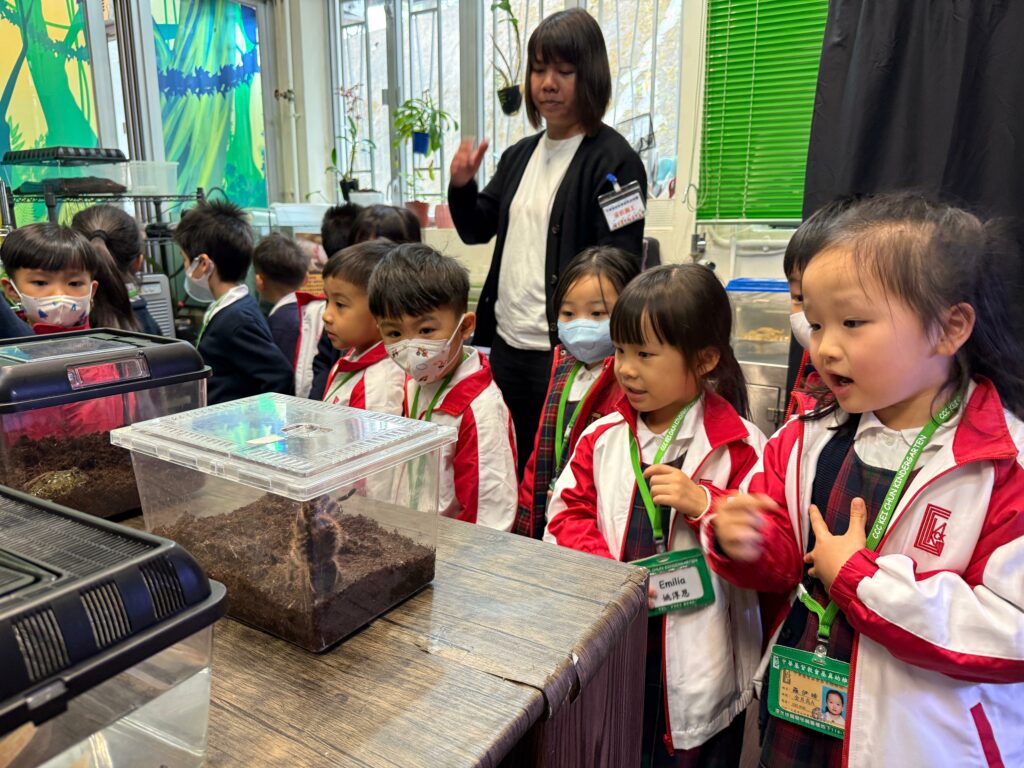
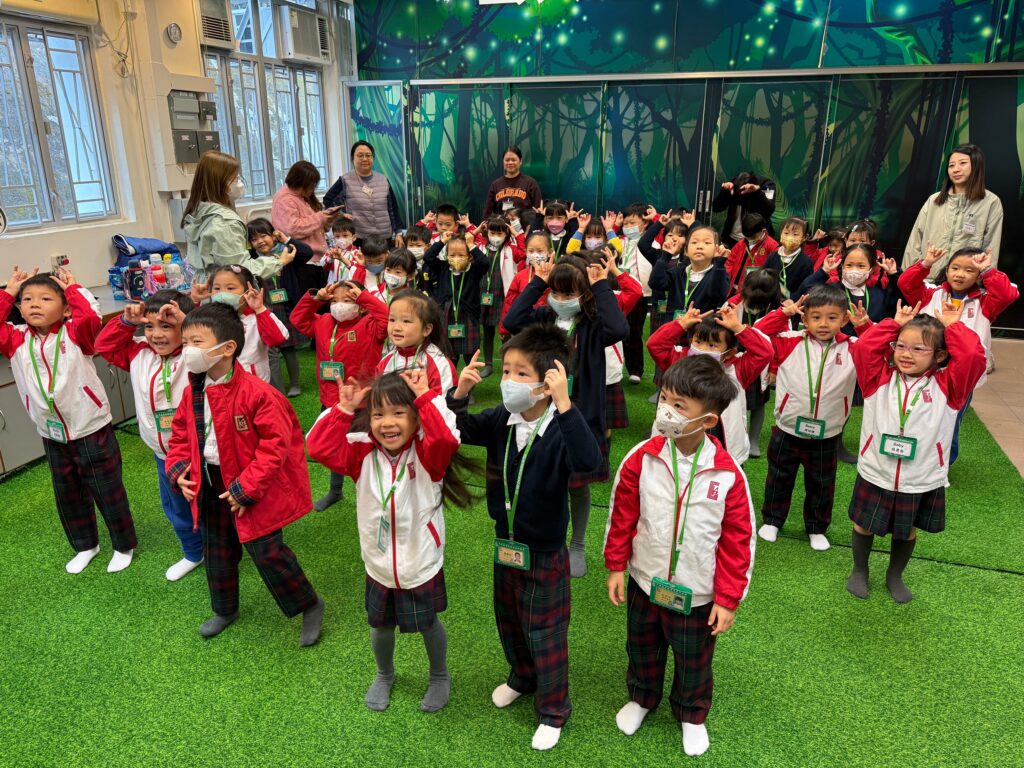
Firefly Ecological Education Center

Categories
Parent Zone

Love Warms at Home

system system

Written by: Principal Cheung Jok Fong, Education expert

Have you ever heard the theme song “Embrace Love” from a certain TV series? I really like some of the lyrics, which simply yet powerfully convey the essence of “home”: home is a place that “shelters from wind and rain”, your “shield” that will always “open its door” when you are “weary”. The “love” mentioned refers to the familial love that is destined from the moment you were born – a bond thicker than water. Indeed, what could be more important than family love? When you are down on your luck, your family will share your worries, listen to your woes, and accompany you through the difficult times; when you are ill, your family will care for you unconditionally; when you succeed in your studies or career, they will rejoice wholeheartedly and feel proud of your accomplishments. This kind of “love” is something that money cannot buy.


This year, our school has chosen “family” as the main theme, hoping to help parents and students appreciate the preciousness of family love. Unfortunately, this love may be taken for granted, as we are born into it, and hence some people fail to cherish it. Sometimes, we see from the news that some youths would rather loiter on the streets than return home; some families are embroiled in constant bickering, turning home into a battleground; some people even resort to violence against their own family members over trivial matters, leading to bloodshed. These are just the tip of the iceberg – it is truly saddening to see a good home deteriorate in such a way.


Three Phrases to Say More Often at Home


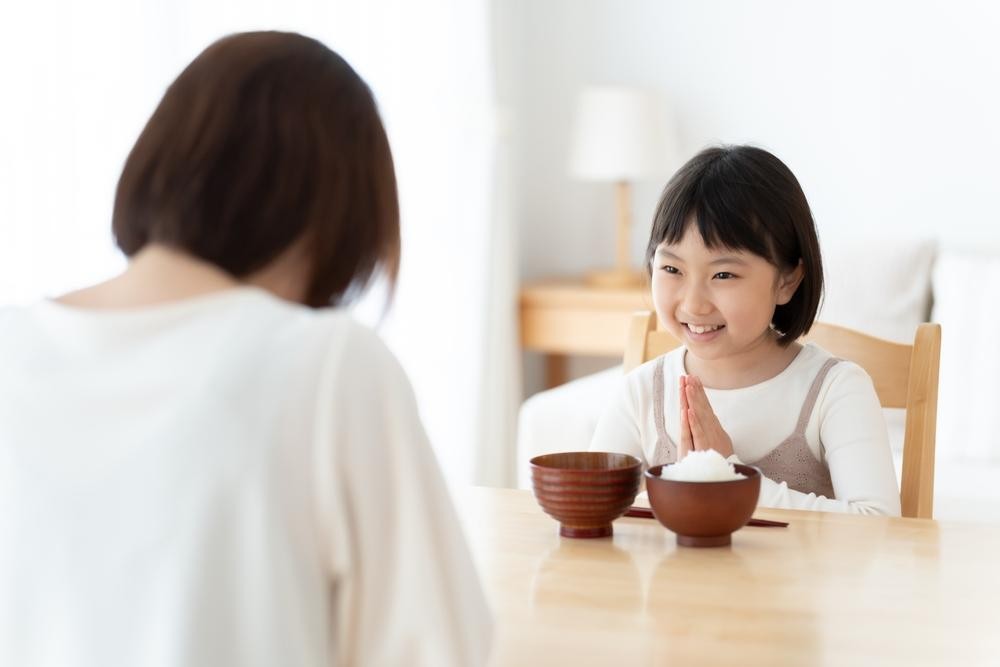
How can we build a harmonious family? Pope Francis, when discussing family life, proposed the “three family phrases”, which are the three phrases we should say more often at home: “thank you”, “may I”, and “I’m sorry”. “Thank you” expresses gratitude to family members. Often, children take the care provided by their parents for granted. But think about it – do parents have to prepare three meals a day for you? Who washes your clothes and shoes, giving you a more hygienic living environment? When you are sick, who tenderly cares for you, even getting up at night to feed you medicine? Schoolmates, while your parents are caring for you, why not say “thank you” more often? When you have the chance, you can also help your parents with household chores, sharing their workload. In fact, when children help with household tasks, parents can also say “thank you” to them. Nowadays, it is no longer appropriate for elders to adopt a superior attitude. Everyone has a responsibility in building a harmonious family – do not assume that certain tasks are the sole responsibility of certain family members. Even when receiving help from family members, a simple “thank you” can go a long way.
“Please” represents respect for family members and polite behavior towards others. Some may think that since they are family, they do not need to be too polite and can just speak directly. However, “please” not only reminds us to speak politely, but also to consider the feelings of our family members. Sometimes, people get into heated arguments over trivial matters, believing that they should fight for what is right, even with their own family. But is that really worth it? As the saying goes, “You may have won the battle, but lost the family.” Even with family, it is still better to be more cautious with our words.


As for “I’m sorry,” it represents seeking forgiveness from family members. When we have done something wrong, we should have the courage to take responsibility and say “I’m sorry” to those we have hurt. At the same time, “I’m sorry” also represents an opportunity to mend relationships with our family. Sometimes, it is not easy to determine who is right or wrong, or there may not even be a clear right or wrong, but just differences in values. Many conflicts arise from this very reason. If everyone refuses to compromise, the relationship will become very strained. As the saying goes, “Take a step back, and the world will be wide open.” Letting go of one’s ego does not mean one has to surrender or compromise on the issue, but rather creates a new opportunity to solve the problem in a better way.


Both in China and abroad, the concept of “family” is highly valued. God said, “It is not good for the man to be alone. I will make a helper suitable for him.” (Genesis 2:18) God has arranged for us to grow up in different groups, and the first group is our family. As for Confucius, he greatly valued filial piety, believing it to be the foundation of being a good person and a scholar. Let us all start practicing the “Three Phrases of Family Life” from today, and build a harmonious and beautiful family together.

Parents Daily 為全港父母提供關於親子育兒、升學的豐富短片和內容,專輯內容包括「有星有Say」、「校長有話兒」等節目。我們以輕鬆活潑的方式為父母們提供培養孩子的資訊,更會邀請幼小校長、名人、資深教育工作者等分享教學、親子心得和實戰經驗,讓父母可以在這裡得到實用資訊之餘,更可認識更多互相分享、互相扶持的同行者。

Categories
Parent Zone

Discarding Feelings of Inferiority 4 Ways to Build Children’s Confidence

system system

By Mr. Kwan Hin Pan, Director of Financial Education Association Courses and Training

Every parent hopes their child becomes an optimistic, positive, and confident individual. However, nowadays, there are more and more children who suffer from feelings of inferiority, and as parents, how should we address this issue? In fact, there are four methods that can be considered to build children’s confidence.

1. Identify the Causes and Administer the Appropriate Remedy
Many children’s feelings of inferiority do not stem from innate factors but are caused by misguided teachings from adults. Some psychologists point out that many primary and secondary school students have weak self-awareness and often evaluate themselves based on the opinions of adults. Even when they have independent perspectives, they tend to be one-sided.

Therefore, during this period, if teachers and parents assess a child’s abilities improperly, it can harm their self-esteem and confidence, leading to feelings of inferiority. Moreover, some parents excessively criticize their children’s behaviors and constantly nag them. Such excessive evaluation can also generate feelings of inferiority in children. Additionally, children who have poor academic performance or subpar physical health may develop feelings of inferiority. Therefore, when a child experiences feelings of inferiority, it is crucial to first analyze the underlying reasons.

2. Reasonable Expectations and Evaluations
When parents help their children overcome feelings of inferiority, they must understand their abilities and levels, set appropriate expectations, and provide reasonable evaluations. For example, if a child consistently fails in exams, parents can initially set a goal for them to pass a specific subject. If the child meets this expectation, parents should acknowledge and encourage them, and then set further goals.

During this process, parents should not worry about setbacks or be too impatient. They should affirm the child’s spirit of effort, patiently analyze the reasons behind setbacks, and encourage the child to give their best. Only then can children see their progress step by step, witness the achievements they have made through hard work, strengthen their confidence, and overcome feelings of inferiority.

3. Broaden Perspectives and Expand Knowledge
When children with feelings of inferiority compare themselves to others who possess similar knowledge deficiencies and limited perspectives, they naturally feel inferior. Therefore, parents should consciously enrich their children’s knowledge, broaden their horizons, and enhance their various abilities.

Parents can guide their children in reading and take them on educational trips, allowing them to feel that they have acquired knowledge and skills, and that they are not inferior to others. This gradual process helps eliminate feelings of inferiority within them.

4. Apply Encouragement Skillfully
The most important aspect for parents in helping their children overcome feelings of inferiority is to respect and protect their self-esteem. For example, when a child achieves unsatisfactory results in an exam, parents should empathize with their feelings, put themselves in their shoes, help the child analyze the reasons, and develop rational measures. They should not let emotions take over and resort to sarcasm, ridicule, blame, or reproach.

Criticism often proves ineffective for children with feelings of inferiority. On the contrary, praise and encouragement often yield unexpected results. Therefore, when a child makes progress, parents should promptly acknowledge and praise their efforts. Even when a child encounters problems, parents should affirm the positive aspects within those situations. This not only helps them rebuild their confidence and overcome difficulties but also strengthens the parent-child relationship, achieving two positive outcomes at once.

Parents Daily 為全港父母提供關於親子育兒、升學的豐富短片和內容,專輯內容包括「有星有Say」、「校長有話兒」等節目。我們以輕鬆活潑的方式為父母們提供培養孩子的資訊,更會邀請幼小校長、名人、資深教育工作者等分享教學、親子心得和實戰經驗,讓父母可以在這裡得到實用資訊之餘,更可認識更多互相分享、互相扶持的同行者。

Categories
Parent Zone

How to Help Children Face Failure with Positivity?
system system

By Mr. Kwan Hin Pan, Director of Financial Education Association Courses and Training

In many cases, the biggest impact on children is not the failure itself but their understanding of setbacks. For example, when a child is not chosen to represent the school in an inter-school competition, their immediate thought may be that they are not as capable as their classmates. However, there may be other reasons behind it, such as the teacher being concerned about their well-being and not wanting them to participate in more important competitions. This approach is not about letting children escape responsibility but sometimes it is necessary to help them understand that their own factors contributed to the failure.

Parents must remind their children that everyone faces difficulties when starting something new. It is important for parents to encourage their children to persevere and not place too much emphasis on perfection. They should resist the urge to provide immediate help and instead allow the child to try different methods to face the challenges. For example, if a child is having difficulty learning calligraphy, they can start by imitating.

As children, their attitudes towards people and things around them are often unstable and easily influenced by emotions and other factors. When faced with difficulties and failures, they tend to develop negative emotions and struggle to adopt the right attitude towards failure, which hampers their resilience. In such situations, parents should promptly tell their children that failure is not frightening and that they can do well if they are a little braver. They should encourage them to learn from their failures and think about how to do better next time. Parents should consciously use their children’s failures as opportunities for education, guiding them to regain their courage and confidence to try again. At the same time, they should teach their children to face difficulties and setbacks with bravery, and enhance their ability to overcome challenges and develop resilience.

In life, nobody can remain undefeated forever. Even “Hurdle King” Liu Xiang from China experienced a setback at the London Olympics. Only those who are brave enough to face failure have the chance to once again achieve a successful outcome and wear a smile of success.

Parents should understand the importance of teaching their children to bravely face failure because nobody achieves success throughout their entire life. From a young age, we understand the saying “Failure is the mother of success,” so we don’t fear failure. However, if we carefully examine our understanding of this phrase, the emphasis should be on “success” rather than “failure,” which means that our acceptance of failure still comes with conditions. When failure doesn’t guarantee future success, it can still be associated with shame and guilt. Therefore, parents must clearly understand whether they are teaching their children to face failure or to avoid it!

Parents Daily 為全港父母提供關於親子育兒、升學的豐富短片和內容,專輯內容包括「有星有Say」、「校長有話兒」等節目。我們以輕鬆活潑的方式為父母們提供培養孩子的資訊,更會邀請幼小校長、名人、資深教育工作者等分享教學、親子心得和實戰經驗,讓父母可以在這裡得到實用資訊之餘,更可認識更多互相分享、互相扶持的同行者。

Categories
Parent Zone

Unable to Concentrate While Homeschooling: Fun Activities to Improve Concentration

system system

Article: Hong Kong Speech and Swallowing Therapy Center
Speech Therapist: Lee Man Kit

Children who are studying at home may find it extremely difficult to sit still and have low attention span. They are easily distracted and often forgetful. Naturally, parents may feel frustrated, but they should pay attention to whether their child exhibits other symptoms, such as avoiding tasks, excessive talking, or difficulty following rules. It could be a case of Attention-Deficit Hyperactivity Disorder (ADHD).

Let’s start with a simple psychological test. If you were given the chance to choose one superpower to give to your child, which one would you choose from the following ten options: superpower of mind reading, superpower of exceptional memory, superpower of keen observation, superpower of social skills, superpower of creativity, superpower of language abilities, superpower of analytical thinking, superpower of athletic abilities, and superpower of focus. Take no more than twenty seconds to think about it before continuing to read the following text.

Among these numerous superpowers, it’s not easy for parents to make a choice! Regardless of the superpower you choose for your child, it shows that you want your child to excel. When you read the above text in the last minute, your attention was already at work. You had to concentrate on reading the text displayed on the computer or phone screen and ignore other irrelevant information, such as things you saw beyond the screen or noises around you. If you demonstrated a high level of focus and observation, you may have even noticed that the author mistakenly wrote “起強” instead of “超強” for the seventh superpower, and there were only 9 superpowers mentioned instead of 10.

Attention is a critical cognitive ability that is essential for learning. Attention refers to the ability to maintain concentration on a specific important task while ignoring irrelevant distractions. Attention is not a special skill, but it is indispensable. This is especially true for young children who are in the learning stage. Learning new things involves multiple cognitive steps: the brain needs to absorb various information, analyze it, and then store the processed data in long-term memory. Attention is a prerequisite for these cognitive activities. If attention is lacking, learning anything will be difficult and may lead to frustration.

Attention-Deficit Hyperactivity Disorder (ADHD)

Many parents may have the following questions: “What qualifies as attention deficit? Does attention deficit equate to having ADHD?” According to the Diagnostic and Statistical Manual of Mental Disorders, Fifth Edition (DSM-5), ADHD has two main symptoms: inattention and hyperactivity/impulsivity. These two symptoms can occur together or separately.

Most individuals with ADHD are diagnosed during elementary school because their symptoms become more noticeable during this period. Some cases of ADHD with significant symptoms can be diagnosed between the ages of 4 and 6. If parents suspect that their child has ADHD, they should seek professional help.

For children, if they exhibit six or more of the following symptoms persistently for six months or more, on two or more occasions, and if these symptoms significantly impair their daily functioning, it may indicate inattention:

  1. Often fails to give close attention to details or makes careless mistakes in schoolwork or other activities
  2. Often has difficulty sustaining attention in tasks or play activities
  3. Often does not seem to listen when spoken to directly
  4. Often does not follow through on instructions and fails to finish schoolwork, chores, or duties in the workplace
  5. Often has difficulty organizing tasks and activities
  6. Often avoids, dislikes, or is reluctant to engage in tasks that require sustained mental effort
  7. Often loses things necessary for tasks or activities
  8. Often easily distracted by extraneous stimuli
  9. Often forgetful in daily activities

Additionally, if they exhibit six or more of the following symptoms persistently for six months or more, on two or more occasions, and if these symptoms significantly impair their daily functioning, it may indicate hyperactivity/impulsivity:

  1. Often fidgets with or taps hands or feet or squirms in seat
  2. Often leaves seat in situations when remaining seated is expected
  3. Often runs about or climbs in situations where it is inappropriate
  4. Often unable to play or engage in leisure activities quietly
  5. Often “on the go” or often acts as if “driven by a motor”
  6. Often talks excessively
  7. Often blurts out answers before questions have been completed
  8. Often has difficulty awaiting turn
  9. Often interrupts or intrudes on others

Strengthening Concentration through Language Activities

Language skills are closely related to concentration, so children with poor concentration may also experience language difficulties. Even if a child does not have obvious attention deficits, improving concentration can still be beneficial for their language and other learning activities.

There are many simple and fun activities that can effectively enhance a child’s concentration. For example, in a spot-the-difference game, children are required to find the differences between two similar pictures. This game requires children to focus their attention, constantly scanning back and forth between the two pictures, carefully analyzing the differences, and ignoring the similarities as well as visual or auditory distractions outside the pictures. Moreover, the difficulty of the game can be adjusted based on the child’s abilities. Similarly, puzzle games serve a similar purpose. In puzzle games, children also need to concentrate and use visual observation and analysis to put the puzzle pieces together, while ignoring visual or auditory distractions outside the puzzle. Engaging in games that require concentration in a moderate and step-by-step manner can train a child’s concentration.

By incorporating elements of language expression into concentration games, parents can not only improve their child’s concentration but also enhance their language skills. For example, in the spot-the-difference game mentioned above, parents can encourage children to describe the differences between the two pictures using different sentence structures while playing, such as saying, “The apple in the left picture is red, and the apple in the right picture is green.” If the child’s answer is too simple, parents can use sentence restructuring to help the child learn appropriate sentence patterns.

Similarly, by adding elements of language comprehension into concentration games, parents can simultaneously train their child’s concentration and language comprehension skills. For example, parents can start by drawing five stars and five circles on a piece of paper and then give instructions like, “Add a smiley face to all the stars!” or “Add eyes to all the circles!” In these games, children need to concentrate and use auditory skills to absorb and understand the instructions given, and then concentrate visually to identify the correct shapes and add the appropriate patterns, while ignoring visual distractions other than the target shapes or auditory distractions other than the instructions.

Seeking Professional Help

If parents suspect that their child has attention-deficit hyperactivity disorder (ADHD), it is advisable to seek professional assessment from a pediatrician, child psychiatrist, clinical psychologist, or educational psychologist. If a child shows significant learning difficulties, the doctor or psychologist may also refer the case to an occupational therapist or speech therapist for further assessment and treatment.

Parents Daily 為全港父母提供關於親子育兒、升學的豐富短片和內容,專輯內容包括「有星有Say」、「校長有話兒」等節目。我們以輕鬆活潑的方式為父母們提供培養孩子的資訊,更會邀請幼小校長、名人、資深教育工作者等分享教學、親子心得和實戰經驗,讓父母可以在這裡得到實用資訊之餘,更可認識更多互相分享、互相扶持的同行者。

Categories
News

2027/2028 School Year Primary One Admission Arrangements Eligibility

system system

The application for Primary One admission for the 2027/2028 school year will begin in September 2024. If you wish to learn about the Primary One admission process, please click here.

All applicants participating in the 2027 Primary One Admission Scheme must meet all of the following requirements:

  • The child must be aged 5 years and 8 months by September 2027 (born on or before December 31, 2021; children born on or after January 1, 2022, are not of eligible age).
  • Must be a Hong Kong resident.
  • Must not have previously attended primary school.
  • Must not have been allocated a Primary One school placement before.
Categories
News

We are currently accepting applications for the 2026/2027 school year for new students. Feel free to inquire.

system system

We are also accepting applications for the 2026/2027 school year for Nursery, Lower, and Upper Classes (K1-K3), for children born on or before December 31, 2023. Applications are now open, and inquiries are welcome.

If you wish to learn about the admission process or fill out an admission application, please click here.

Categories
News

We are currently accepting applications for the 2027/2028 school year, including mid-year transfer students. Feel free to inquire.

system system

We are also accepting applications for the 2027/2028 school year for Nursery, Lower, and Upper Classes (K1-K3), for children born on or before December 31, 2024. Applications are now open, and inquiries are welcome.

If you wish to learn about the admission process or fill out an admission application, please click here.